
Vandaag of morgen in huis

Kwaliteit gegarandeerd

Welkomstaanbiedingen ontgrendelen: GRATIS bezorging | Tot 80% korting | Gratis 30 dagen JoyPlus-proefperiode
Download de app
As a pet owner, you want the best nutrition for your furry companion. The shelves are packed with options, and the term "grain-free" is popping up everywhere. But what does it really mean? And how can you avoid paying for marketing buzzwords instead of quality nutrition? Many owners fall into the trap of expensive products that aren't necessarily better. Below, we'll discuss the most common pitfalls and provide practical tips to help you decipher the ingredient list.
Choosing grain-free pet food is often a conscious step towards a more natural diet. However, it's important to remain critical. Manufacturers use clever marketing that doesn't always tell the whole story.
To cut through the marketing noise, you can focus on a few objective specifications. These three points will help you assess the quality of the food.
Dogs, and especially cats, are natural carnivores. A high meat content is therefore essential. Check the packaging for the percentage of meat. A high-meat wet cat food should ideally contain over 60% meat and organs. Also, pay attention to the protein source. Products with monoprotein (a single animal protein source) are an excellent choice for pets with sensitive digestion or allergies, which is often a feature of hypoallergenic dog food.
A short, understandable ingredient list is often a good sign. Avoid products with:
A cat's nutritional needs differ from a dog's. Cats are obligate carnivores and require essential nutrients like taurine, which they can only get from animal sources. Good cat food will always have added taurine. Dog food may benefit from other additions, such as fibre from fruits or vegetables for healthy digestion.
Based on the criteria above, we have selected a few products that suit the different needs of pets and their owners.

Why this fits: Ideal for cats that react sensitively to different proteins. The monoprotein formula makes it easily digestible and helps in ruling out allergens.
This product avoids the pitfall of vague ingredients. The composition is clear: 71% chicken (meat, heart, liver, gizzard), supplemented with broth and minerals. No hidden extras.
Monoprotein and grain-free: Suitable for elimination diets and cats with known allergies. Free from gluten and added sugars.
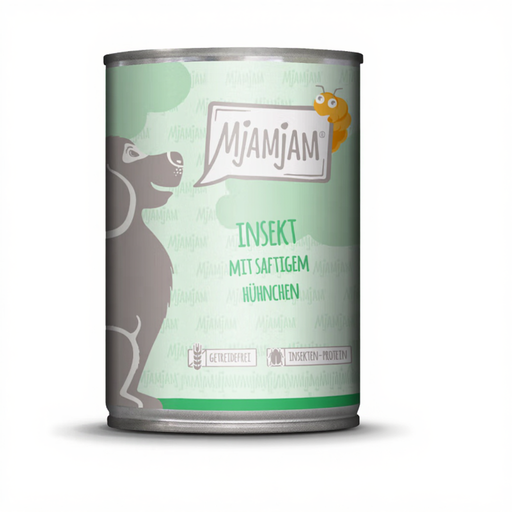
Why this fits: For owners looking for an innovative solution for their dog's food allergies. Insects are a sustainable and hypoallergenic protein source that rarely triggers an allergic reaction.
This food doesn't just replace grains with another bulk carbohydrate. It focuses on a high-quality and functional protein combination of 32% insects and 36.5% chicken, which bypasses the "grain-free isn't necessarily better" pitfall.
Hypoallergenic and grain-free: The combination of insects and chicken offers a unique protein profile suitable for many dogs with intolerances to beef, lamb, or grains.
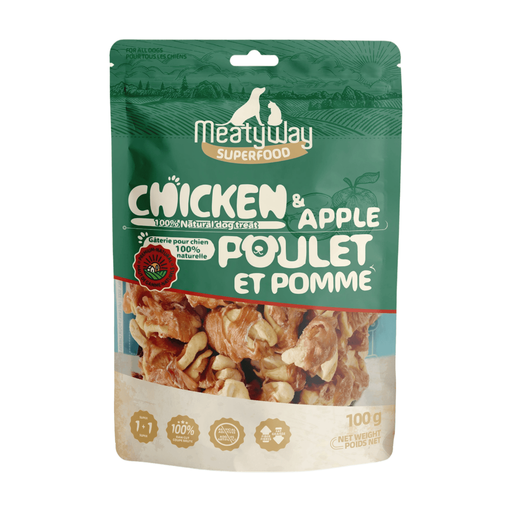
Why this fits: Perfect as a healthy reward during training or as a snack. These healthy dog treats have a simple composition and are easy to portion.
This snack bypasses the "natural" claim by simply showing what's inside: chicken and apple. No artificial additives, fillers, or preservatives. Its strength lies in its simplicity.
Simple, grain-free recipe: With just two ingredients, you know exactly what you're giving your dog. The chewy texture also helps clean their teeth.
We have compiled a complete, up-to-date list of products that meet these strict selection criteria and EU regulations.
Not necessarily. Grain-free dog food or cat food is primarily a good choice for pets with a diagnosed grain allergy or intolerance. For most pets, the overall quality of the ingredients—especially a high and specified meat content—is more important than the absence of grains. When in doubt or if health issues arise, always consult a veterinarian.
A gradual transition is important to allow your pet's digestive system to adjust. Mix the new food with the old food over a period of 7 to 10 days.
Monoprotein means the food contains only one animal protein source, such as only chicken or only turkey. This is an excellent option for an elimination diet if you suspect a food allergy. By testing protein sources one by one, you can identify what your pet is sensitive to. It is also a safe choice for pets with a known allergy to a specific protein source. If you're considering buying MjAMjAM, you'll find they offer several monoprotein options.
