
Vandaag of morgen in huis

Kwaliteit gegarandeerd

Welkomstaanbiedingen ontgrendelen: GRATIS bezorging | Tot 80% korting | Gratis 30 dagen JoyPlus-proefperiode
Download de app
Grain-free dog food is popular, but seeing “grain free” in large letters on a bag doesn’t tell you everything. Some dogs do well on food without grains, while others have no reason to avoid them. The right choice depends above all on your dog’s life stage, size, activity level, ingredients and nutritional value.
Focusing only on a marketing claim could mean paying too much for a product that isn’t right for your dog. So watch out for these three common pitfalls:
For everyday feeding, choose a product labelled as complete food for the appropriate life stage. This means that, according to the product information, it’s intended as a main food and provides nutrients such as protein, fat, vitamins and minerals.
Also check:
A high protein percentage isn’t automatically right for every dog. An active dog may need food with a different energy density from a dog that gets little exercise.
When choosing dog food with fish, lamb, duck or game, the ingredients list matters more than the picture on the packaging. Ingredients are generally listed in descending order by weight. Check the animal protein source, as well as the plant-based ingredients and fats.
For example:
Take care when interpreting a term such as hypoallergenic dog food. Grain-free doesn’t mean that a food is free from all potential allergens. If you suspect a food reaction, it’s sensible to speak to a vet.
Puppies need a recipe designed for growth. According to its product description, Eukanuba Grain Free puppy small/medium ocean fish is formulated for small and medium-sized puppies aged 1 to 12 months. Farmina N&D Pumpkin Lamb Puppy Medi/Maxi is, according to the product information, intended for puppies of medium and large breeds.
There are more options for adult dogs. Small dogs may benefit from smaller kibble, while medium and large dogs often have different feeding guidelines and portion sizes. Senior dogs may need food with an adjusted energy content. According to its product description, Eukanuba Grain Free senior small/medium ocean fish is intended for small and medium-sized dogs aged 7 and over.
For dogs on a weight-management plan, the product name isn’t the only thing that matters. Check the fat and fibre content, and weigh out each portion. According to the product information, Farmina N&D Quinoa Weight Management Adult Medi/Maxi contains 8% fat and 8.2% crude fibre. Always adjust the amount to your dog’s weight, activity level and body condition.
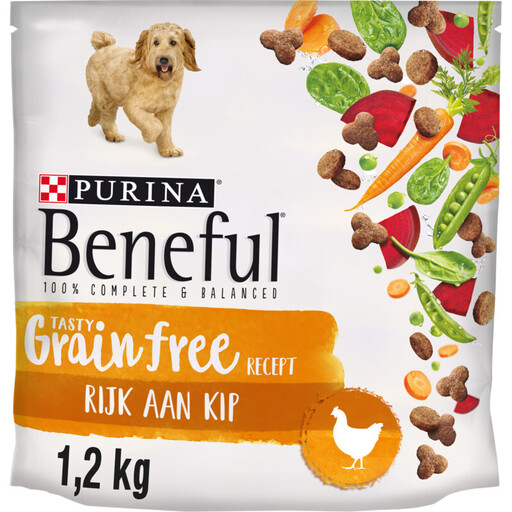
Why it suits this profile: The 1.2 kg bag is a practical choice if you want to see how your dog gets on with new grain-free kibble before buying more. According to the product information, it’s a complete food for adult dogs, made with chicken and vegetables.
The smaller bag reduces the risk of buying a large supply straight away, before checking whether your dog likes it and confirming the right portion size.
25.5% crude protein, 13.5% fat and feeding guidelines provided for different weight groups.
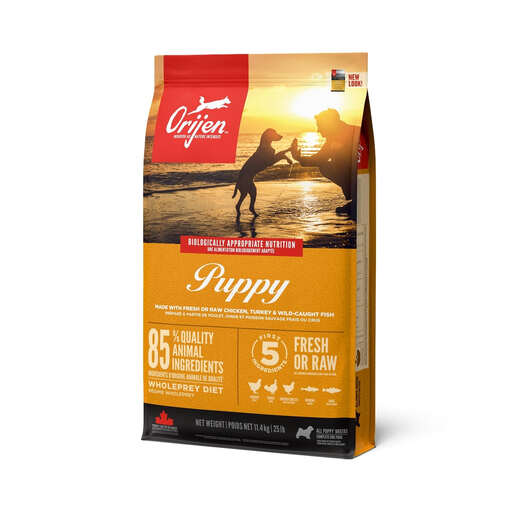
Why it suits this profile: According to the product description, this dry food is for puppies of all breeds and contains 85% animal ingredients and at least 38% crude protein. The large bag suits households with a large puppy or several dogs.
The product information specifies the main animal ingredients and protein content, so you can look beyond the grain-free label.
Puppy formula for all breeds, 11.4 kg bag and a listed recipe containing chicken, turkey, egg and fish.
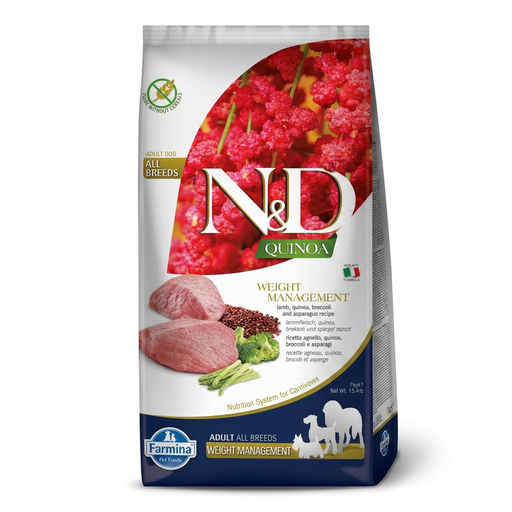
Why it suits this profile: According to the product information, this food is intended for adult medium and large dogs where weight management is a consideration. The recipe lists 8% crude fat and 8.2% crude fibre.
The analytical values make it easier to compare this food with other recipes. You’ll still need to adjust the portion to your dog’s activity and body condition.
28% crude protein, a lower listed fat content, and quinoa, pea fibre, broccoli and asparagus in the recipe.
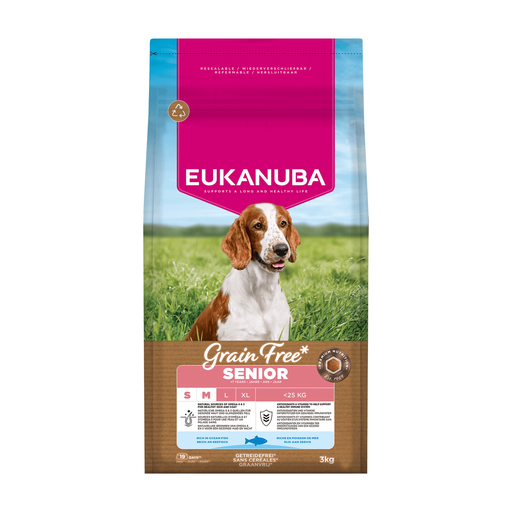
Why it suits this profile: According to the product description, this dry food is for small and medium-sized senior dogs aged 7 and over. It contains ocean fish and alternative carbohydrate sources such as peas and gluten-free sweet potato.
The age and breed-size guidance helps you avoid choosing adult or puppy food for an older small dog.
3 kg bag, ocean fish as the listed animal source, and a recipe with prebiotics FOS and MOS and beet pulp, according to the product description.
We’ve put together a complete, up-to-date list of products that meet these strict selection criteria and the applicable European safety regulations.
Not necessarily. Grain-free dog food may suit some dogs’ preferences or dietary needs, but “grain-free” doesn’t automatically mean that a recipe is better or easier to digest. Check the full ingredients list and speak to a vet if you suspect a food sensitivity.
Gradually mix the new dry food with your dog’s current food, usually over 7 to 10 days. Start with a small amount and increase it step by step. Keep an eye on your dog’s stools, appetite and body condition. Always provide fresh drinking water.
That depends on the price per kilogram, the daily portion and how long the food keeps once opened. A 12 kg bag may be practical for a large or active dog, but a smaller pack is a better choice if you first want to check that your dog takes to the food. Store kibble in a cool, dry place in a tightly sealed container, and follow the date on the packaging.
