
Vandaag of morgen in huis

Kwaliteit gegarandeerd

Welkomstaanbiedingen ontgrendelen: GRATIS bezorging | Tot 80% korting | Gratis 30 dagen JoyPlus-proefperiode
Download de app
Grain-free dog food is popular with Dutch dog owners who pay attention to ingredients, food sensitivities or a specific life stage. However, “grain-free” does not automatically mean that a product is suitable for every dog. Nutritional value, protein source, kibble size and feeding instructions are at least as important.
As a Joybuy Product Recommendation Officer, I filter marketing claims against verifiable product information. This helps you avoid paying extra for packaging covered in appealing terms when the food is not suited to your dog’s age, size or daily activity levels.
A grain-free recipe contains no grains, but may still include several animal protein sources. For example, chicken, fish, egg or pork ingredients may all be present in a single recipe. A dog with a diagnosed food allergy will therefore not automatically benefit from every hypoallergenic dog food.
Always check the full ingredients list. If your dog has symptoms or is following an elimination diet, your choice should be discussed with a vet. Treat “low allergen” or “for sensitive dogs” as product descriptions, not guarantees of a medical outcome.
A high protein percentage may sound appealing, but it does not tell you everything about a food’s suitability. An active adult dog, a small companion dog and a growing puppy have different nutritional needs. So also check crude protein, crude fat, fibre, calcium and phosphorus.
For example, some Farmina products state “96% protein of animal origin” in their product information. This is a claim made by the brand or product page. You should also check the analytical constituents and the full composition before placing your order.
A 12 kg bag may seem good value, but only if the daily portion is suitable for your dog. A small dog will use a large pack slowly, making freshness and storage especially important. An 800 g or 2.5 kg bag may be more practical for trying a product first.
Store dry dog food in a cool, dry place and keep it properly sealed. Check the best-before date on the packaging. Always provide fresh drinking water and change foods gradually, usually over seven to ten days according to the product information.
First choose between grain-free puppy food, adult dog food and food for senior dogs. Then check the stated breed size:
A recipe for medium and large breeds is not necessarily suitable for a small dog. Conversely, small kibble may be impractical for a large dog.
If you are looking for dog food with lamb, dog food with duck or dog food with fish, it is wise not to focus solely on the flavour shown on the front. Look in the ingredients list for the exact source and the order in which the ingredients are listed.
Examples from the range:
Also look out for collective terms such as “meat and animal derivatives”. This does not necessarily mean the food is unsuitable, but it provides less detail about the animal sources used than a specifically named composition.
Compare products based on their protein, fat, fibre, ash and moisture values. For example, Farmina N&D Quinoa Weight Management Adult Medi/Maxi lists 28% crude protein, 8% crude fat and 8.2% crude fibre. This is verifiable information from the product description, but the correct portion still depends on your dog’s weight, exercise levels and body condition.
For dogs with sensitive digestion, a recipe containing fibre or prebiotics may seem appealing. The product pages for some Farmina Quinoa recipes list ingredients such as inulin, fructo-oligosaccharides, fennel or psyllium. According to the manufacturer, these have been added with digestion in mind. This does not replace veterinary nutritional advice.
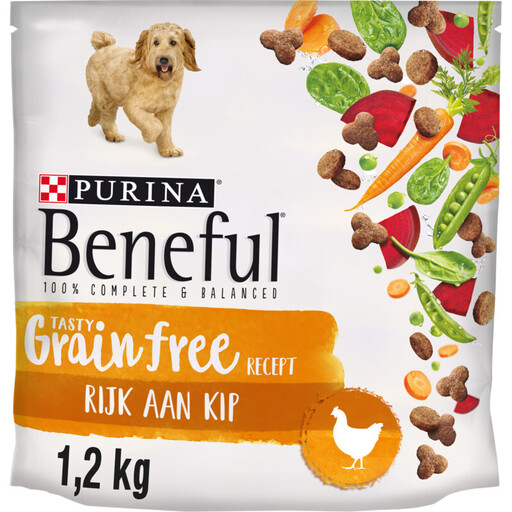
Why it suits this profile: A 1.2 kg pack is a manageable choice for anyone trying grain-free kibble with an adult dog for the first time.
The product information states that this is a complete food for adult dogs and provides portions for different weight categories.
25.5% crude protein, 13.5% fat and chicken as the stated animal protein source, with 3.5% crude fibre.
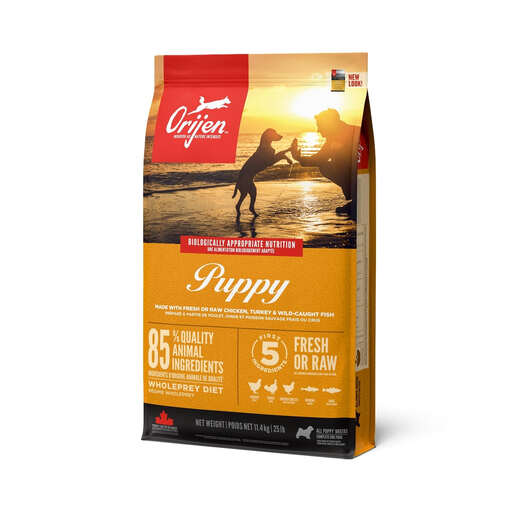
Why it suits this profile: Designed for puppies of various breeds, with a large bag for households that feed substantial amounts every day.
The product description specifies the life stage, portion distribution and gradual transition. Check the appropriate amount on the bag.
According to the product information, the formula contains at least 38% crude protein, 18% fat, and chicken, turkey, egg and fish.
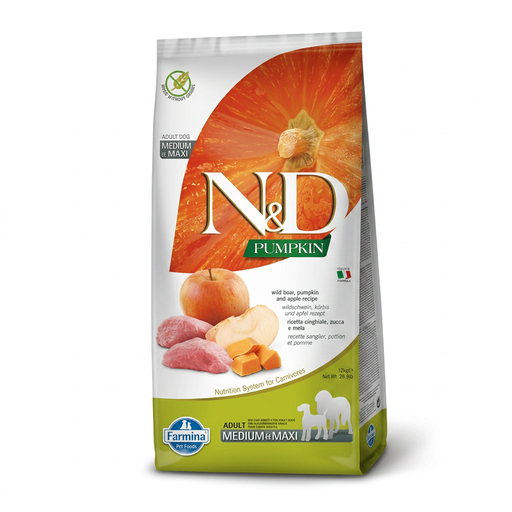
Why it suits this profile: The large pack and indication for adult medium and large dogs make it suitable for active or larger dogs.
The product name and feeding guidelines specify the intended dogs. The composition includes ingredients such as wild boar, herring, pumpkin, peas and chickpeas.
A clear portion table for dogs weighing 20 to 45 kg and a specific protein source for variety in the diet.
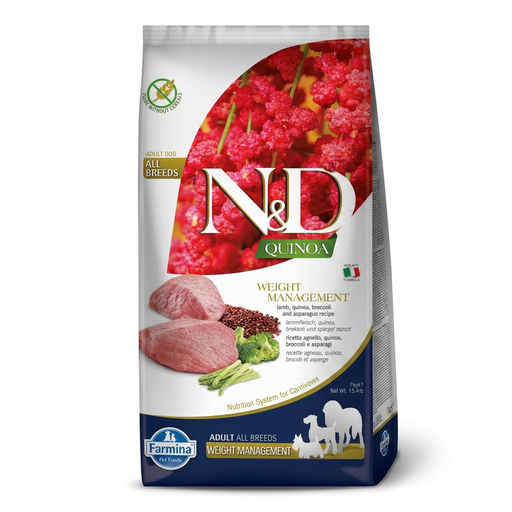
Why it suits this profile: The product information describes a recipe for adult medium and large dogs with 8% crude fat and 8.2% crude fibre.
The nutritional values make comparison easier than relying solely on the term “weight management”. Portions should be adjusted according to the packaging.
We have put together a complete, up-to-date list of products that fully meet these strict selection criteria and the applicable European safety regulations.
No. Grain-free is a recipe choice, not a general guarantee of quality. Some dogs tolerate grains perfectly well. Choose based on life stage, protein source, analytical values and your dog’s response. If symptoms persist, it is advisable to consult a vet.
Mix the new food gradually with the old food over approximately seven to ten days. Start with a small proportion of the new product and increase it step by step. Monitor your dog’s stools, appetite and weight. Do not stop a prescribed diet without professional advice.
That depends on the price per kilogram and the daily portion. So do not compare the bag price alone. Divide the price by the weight and check the recommended amount for your dog’s body weight. An energy-dense recipe may require a smaller portion, but always follow the table on the packaging and adjust it to your dog’s activity level.
