
Vandaag of morgen in huis

Kwaliteit gegarandeerd

Welkomstaanbiedingen ontgrendelen: GRATIS bezorging | Tot 80% korting | Gratis 30 dagen JoyPlus-proefperiode
Download de app
As a dog owner, you naturally want the best food for your four-legged friend. The shelves are packed with options, and the term "grain-free" is appearing more and more often. But what does it really mean, and how can you avoid paying for clever marketing instead of quality nutrition? Many owners fall into the same traps. We've listed the most common ones for you, so you can make an informed choice.
Pitfall 1: The "Natural" Label Without Substance The term "natural dog food" is not strictly regulated. Some packaging may claim it, yet still contain vague ingredients like "meat and animal derivatives" or unnecessary fillers. A truly natural product has a clear and short ingredient list.
Pitfall 2: Focusing on Flavour, Not Formulation A bag of food with a "delicious chicken flavour" sounds appealing, but it says nothing about the quantity and quality of the meat. Often, the flavour is added artificially, while the protein content is boosted with cheaper, plant-based proteins that are less digestible for a dog.
To see through the marketing, it's helpful to know what to look for. Focus on these two specifications on the packaging before making a choice.
Dogs need animal-based proteins. High-protein dog food is a good start, but the source is just as important.
Grain-free dog food doesn't mean it's carbohydrate-free. The grains are simply replaced. Common alternatives include potatoes, peas, and sweet potatoes. While this is fine for most dogs, a food with a lower glycemic index, such as pumpkin, can be a better choice for dogs with sensitive digestion. Pumpkin is rich in fibre and supports stable digestion.
Not every dog is the same. That's why we've highlighted a few popular choices that suit different needs, based on their product specifications.
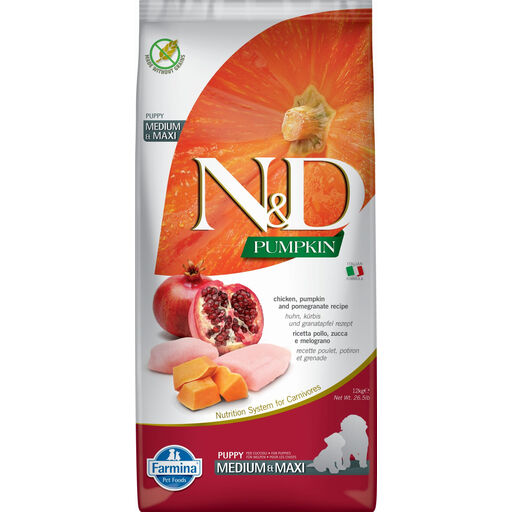
Why This Fits Their Persona: This grain-free puppy food is specially formulated for growth. It's designed for owners who want to give their puppy a high-protein, grain-free start, with extra attention paid to digestion.
The ingredient list starts with fresh and dehydrated chicken, not vague terms. According to Farmina, 96% of the protein is of animal origin, which avoids the 'focus on flavour' pitfall.
Contains pumpkin to support digestion and has a tailored formulation for the nutritional needs of medium and large breed puppies.
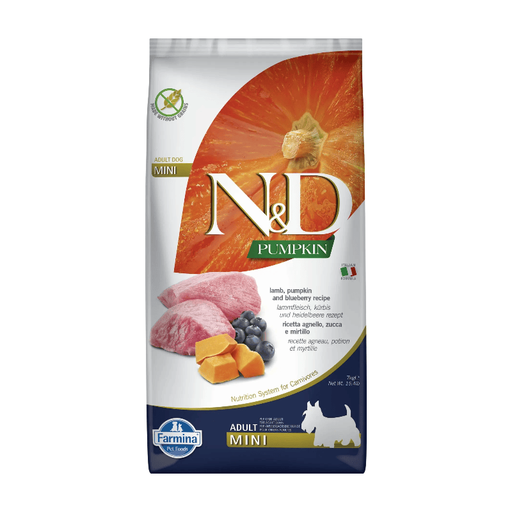
Why This Fits Their Persona: Ideal for owners of small, adult dogs looking for a grain-free food with a single protein source (lamb) to avoid potential sensitivities to chicken or beef.
This product bypasses the 'natural' pitfall by specifying the percentages of its main ingredients: 22% fresh lamb and 20% dehydrated lamb. This is transparent and clear.
The formula includes glucosamine and chondroitin sulphate to support joint health, which can be particularly important for smaller breeds. The high proportion of lamb makes it a popular choice.
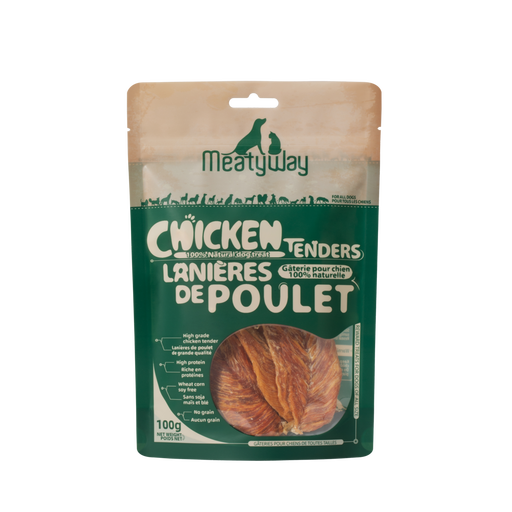
Why This Fits Their Persona: For the dog owner seeking pure and simple grain-free dog snacks. Perfect for training or as a treat, without having to worry about hidden additives.
This product is the definition of transparency. The ingredient list consists of one word: chicken. It couldn't be clearer and avoids any misleading marketing pitfalls.
A 100% natural snack with a high protein content (minimum 70%). Its soft texture makes it easy to break into smaller pieces for training.
The right nutrition is a personal choice for every dog. If the options above aren't a perfect match, explore our wider range.
A sudden change in diet can cause gastrointestinal upset. Introduce the new food gradually over a period of 7 to 10 days. Start with a ratio of 75% old food to 25% new food, and slowly increase the amount of the new food until you have fully transitioned.
Not necessarily for every dog. It's an excellent choice for dogs with a diagnosed grain allergy or sensitivity. For many dogs, the overall quality of the ingredients, especially a high-quality animal protein source, is more important than the presence or absence of grains. When in doubt, consulting with a veterinarian is always a good idea.
These terms are often confused. Grain-free means the product contains no grains of any kind (like wheat, corn, rice, barley). Gluten-free means the product contains no gluten-containing grains (like wheat, barley, rye), but it can still contain gluten-free grains such as rice or corn. Therefore, grain-free food is by definition also gluten-free, but the reverse is not true.
