
Vandaag of morgen in huis

Kwaliteit gegarandeerd

Welkomstaanbiedingen ontgrendelen: GRATIS bezorging | Tot 80% korting | Gratis 30 dagen JoyPlus-proefperiode
Download de app
As a dog owner, you want to make the best nutritional choices for your canine companion. However, the search for grain-free dog food can feel like navigating a maze of claims and complex ingredient lists. While many products look similar, the differences in quality and suitability can be significant.
Before you make a choice, it's helpful to understand a few common misconceptions that could cost you money and fail to provide the nutrition you intended for your dog.
By knowing what to look for, you can make a more informed choice that suits your dog's specific needs.
To cut through the marketing noise, focus on a few concrete specifications on the packaging. These provide a more objective view of the food's quality.
For many dogs, a high-protein dog food with a high proportion of animal-based protein is an excellent foundation. Dogs are natural carnivores, and their digestive systems are adapted to process animal proteins.
In natural dog food, grains are often replaced with alternatives that offer more than just filler.
Some foods contain extra ingredients aimed at specific health benefits. These are not miracle cures, but they can be a useful addition.
Based on clear product specifications, we have selected several options that cater to different needs and profiles.
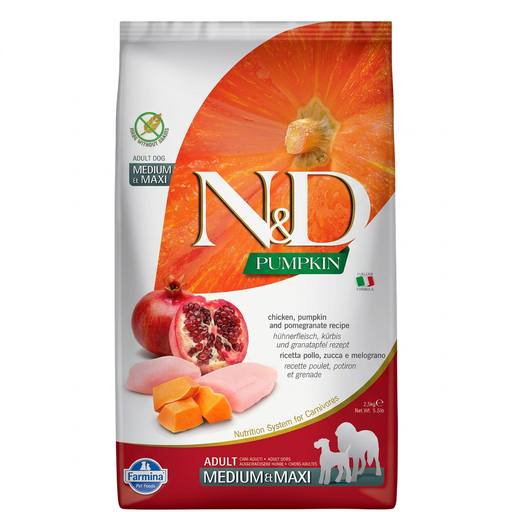
Why This Fits Their Persona: For the owner who values a transparent ingredient list and functional nutrition. This food is aimed at adult dogs of medium to large breeds that require a high-protein, grain-free diet.
The ingredient list starts with deboned chicken (24%) and dried chicken (22%), avoiding the pitfall of vague protein sources. Pumpkin (5%) is used as a functional fibre source instead of just starchy fillers.
High animal protein content (30% total). Contains glucosamine (1200mg/kg) and chondroitin sulphate (900mg/kg) for joint support.
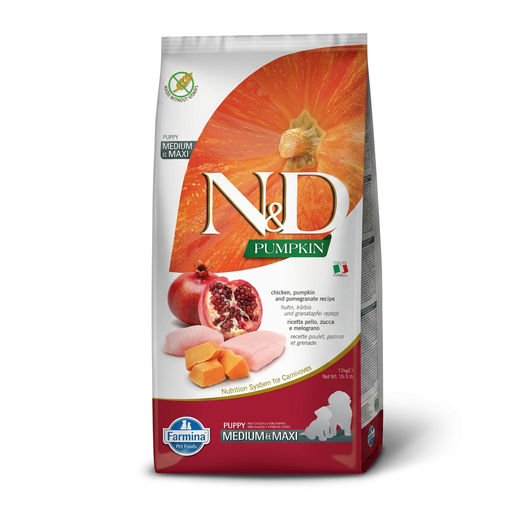
Why This Fits Their Persona: This puppy food is specifically formulated for the growth of medium and large breed puppies. It provides the high energy and protein levels needed during this crucial life stage.
Instead of a generic "all life stages" food, this offers a targeted formula. According to Farmina, 96% of the protein is of animal origin, underscoring the focus on quality proteins for growth.
Very high protein content (34% crude protein) to support muscle development. Grain-free formula with pumpkin for stable digestion in young dogs.
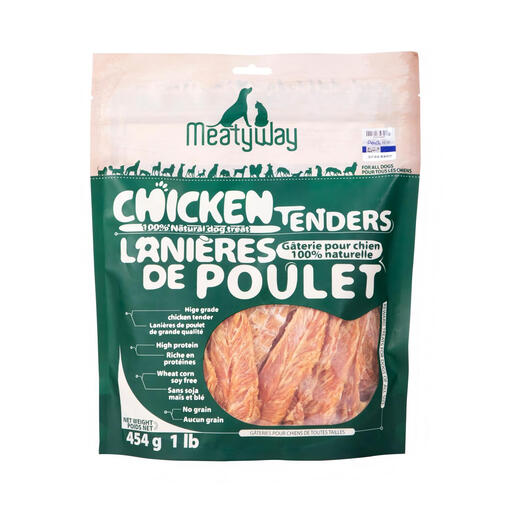
Why This Fits Their Persona: Ideal for owners looking for responsible dog treats for rewards or training. These treats align with a grain-free diet and a focus on pure ingredients.
This treat avoids the pitfall of unclear ingredients and unnecessary fillers. The ingredient list is extremely simple: chicken. There are no grains, artificial additives, or preservatives.
Made from 100% real chicken. The soft texture makes them easy to break into smaller pieces, which is perfect for dog training treats.
In addition to complete meals, there are many responsible snacks that fit a conscious nutritional approach. Discover our range of chicken-based treats.
Not necessarily. Grain-free food is a popular choice, especially for dogs with a diagnosed grain allergy or sensitivity. For most dogs, however, grains are a perfectly good source of energy and nutrients. The choice depends on your dog's individual needs and tolerances. If in doubt or if you suspect an allergy, consulting with a veterinarian is always recommended.
An abrupt switch can lead to digestive issues. It is advisable to transition gradually over a period of 7 to 10 days. Start by mixing a small amount of the new food (about 25%) with the old food. Increase the proportion of the new food every few days until you have fully switched over.
Kibble (dry food) is concentrated, has a long shelf life, and its abrasive action during chewing helps reduce dental plaque. Wet dog food has a high moisture content, which aids in hydration, and its strong smell and taste often make it more appealing to picky eaters. A combination of both can be a good middle ground to leverage the benefits of each type.
