
Vandaag of morgen in huis

Kwaliteit gegarandeerd

Welkomstaanbiedingen ontgrendelen: GRATIS bezorging | Tot 80% korting | Gratis 30 dagen JoyPlus-proefperiode
Download de app
As a cat owner, you naturally want the best for your pet. The search for healthy cat food often leads to the term "grain-free." But the popularity of grain-free cat food has also created a market full of marketing claims that don't always prioritise your cat's well-being. Many products seem ideal but come with hidden downsides.
Before you make a choice, it's important to recognise the most common pitfalls:
An informed choice starts with understanding the specifications that truly matter.
To avoid wasting money on subpar nutrition, there are a few key points you should always check on the label. These specifications provide a much clearer picture of quality than the marketing on the front of the package.
Cats are obligate carnivores. Their digestive system is designed to extract nutrients from animal sources. A cat food with high meat content is therefore essential. Pay attention to the following points:
If your cat suffers from sensitive digestion or allergies, hypoallergenic cat food can be a solution. A monoprotein diet is a useful tool in this case. This means the food contains only one animal protein source (for example, only chicken or only turkey). This minimises the risk of an allergic reaction and makes it easier to identify the cause of any sensitivity.
Both wet cat food and grain-free cat kibble have their advantages.
A combination of both can offer a balanced solution that leverages the benefits of both types of food.
Based on clear and verifiable product specifications, we have selected several options that suit the different needs and budgets of cat owners.
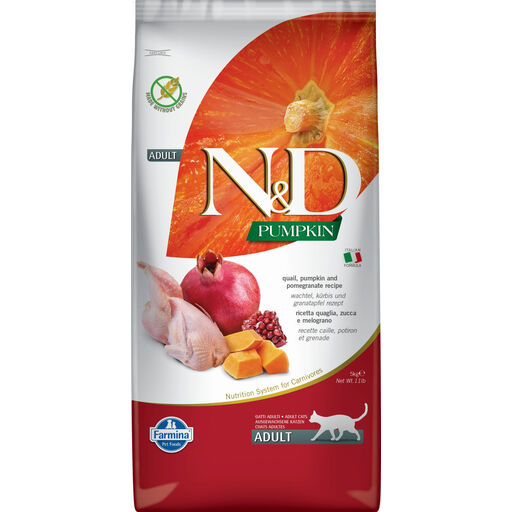
Why This Fits Their Persona: For the owner who invests in top-quality nutrition. This grain-free kibble is designed for the cat's carnivorous nature, with a focus on a very high protein content for optimal health and vitality.
This product bypasses the filler trap by specifying an extremely high percentage of animal protein (96%) and using pumpkin as a functional ingredient rather than a cheap filler.
96% animal protein and a completely grain-free formula. The ingredient list is transparent and specific.
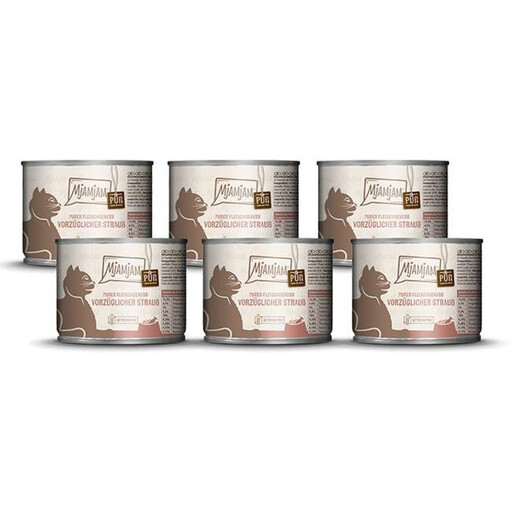
Why This Fits Their Persona: Ideal for cats with sensitive digestion or suspected food allergies. The single-protein formula makes it an excellent choice for an elimination diet or as a regular `hypoallergenic cat food`.
This food tackles the vague-ingredient pitfall by using a monoprotein formula. It contains only ostrich as its animal source, providing complete transparency.
Very high and pure meat content (71.6% ostrich), grain-free, gluten-free, and sugar-free. Perfect for sensitive cats.

Why This Fits Their Persona: An excellent and accessible choice for those looking to switch to `natural cat food`. Chicken is a popular flavour with most cats, and the high quality makes the transition smooth and successful.
This product is the antithesis of food with hidden sugars and vague ingredients. It offers a pure composition with 71% chicken, without any added sugar, grains, or gluten.
A very high meat content and a simple, pure composition. The monoprotein formula is also suitable for cats with sensitivities to other proteins.
We have compiled a complete, up-to-date list of products that fully meet our strict selection criteria.
A sudden change in diet can cause gastrointestinal upset. Introduce the new food gradually over a period of 7 to 10 days. Start by mixing a small amount of the new food (about 25%) with the old food, and slowly increase the ratio until your cat has fully transitioned.
Not every cat needs grain-free food. Cats without a grain allergy or sensitivity can digest grains in small amounts just fine. The focus should always be on the overall quality of the ingredients, especially a high content of animal protein. However, for cats with digestive issues or allergies, grain-free is often an effective solution.
Gluten-free means the food does not contain grains with gluten, such as wheat, barley, and rye. However, it may still contain other grains, like corn or rice. Grain-free cat food contains no grains at all. For cats with a specific grain allergy, a completely grain-free option is the safest choice.
