
Vandaag of morgen in huis

Kwaliteit gegarandeerd

Welkomstaanbiedingen ontgrendelen: GRATIS bezorging | Tot 80% korting | Gratis 30 dagen JoyPlus-proefperiode
Download de app
Looking to buy gochujang for bibimbap, tteokbokki or a quick marinade? You’ll soon come across plenty of jars and tubes with similar names. But they can differ in ingredients, flavour, size and suitability for a halal or vegan diet.
Gochujang is a Korean red pepper paste that combines heat, sweetness, saltiness and umami. It’s often made with red pepper, rice or grains, soya and salt. Some varieties are fermented, while others are designed mainly as ready-to-use sauces. So don’t rely on words such as “authentic” or “traditional” alone – check the product information.
A spicy Korean sauce isn’t necessarily gochujang. A stir-fry sauce, for example, may contain garlic, vinegar, oil, fish sauce or oyster sauce. That makes it suitable for stir-fries, but not always for bibimbap or traditional marinades.
Check that the packaging clearly says gochujang, red pepper paste or fermented chilli paste. Go-Tan Original Wok Chilli Garlic, for example, is a stir-fry sauce containing ingredients such as garlic, red pepper, soya sauce, anchovies and oyster extract. It’s different from a classic Korean chilli paste.
Brands use terms such as traditional, authentic and natural in different ways. According to Sempio’s own product description, its paste is made with rice, red pepper powder, soya and fermented ingredients. OBAP describes its product as naturally fermented with glutinous rice, soya bean powder and chilli powder.
These are claims made by the brands, not universal quality standards. So check the country of origin, ingredients list and intended use. Products from South Korea may taste different from varieties made elsewhere, but origin alone doesn’t determine whether a product is right for your recipe.
A 500 or 570 g jar may seem more expensive, but it could work out cheaper per gram if you cook Korean food often. For occasional use, 170 g may be more practical. Once opened, gochujang should generally be sealed tightly and stored according to the label; many varieties need to be refrigerated after opening.
So compare:
Fermented chilli paste usually has a deeper, more savoury flavour than a simple chilli sauce. Check whether fermentation is mentioned in the product description or ingredients list. OBAP lists ingredients including glutinous rice, fermented soya powder, chilli powder and barley malt. Bibigo describes its paste as naturally fermented.
Bear in mind: fermented doesn’t automatically mean mild, vegan or gluten-free. Many gochujang varieties contain wheat, soya or alcohol. Sempio, for example, lists allergens such as soya, wheat and gluten.
The amount of red pepper powder doesn’t tell you everything about the finished flavour. Rice, glucose syrup, corn syrup and sugar affect the sweetness and thickness. Gochujang for tteokbokki is often combined with extra sugar or syrup, while a paste for marinades or bibimbap can be used to add a more savoury flavour.
When trying a new product, start with a teaspoon and add more as needed. This makes it easier to adjust the heat to suit noodles, rice, vegetables or meat.
Looking for halal gochujang or vegan gochujang? Don’t rely on the name alone. Check the certification and ingredients on the packaging. Chung Jung One O’FOOD Hot Sauce Gochujang for Bibimbap is listed as halal-certified in the product information. Bibigo Vegan Gochujang is described as free from animal products, anchovies and seafood.
Also check for allergens. Soya, wheat, gluten and sesame are common ingredients. If the information on a product page differs from the packaging, always follow the current packaging.
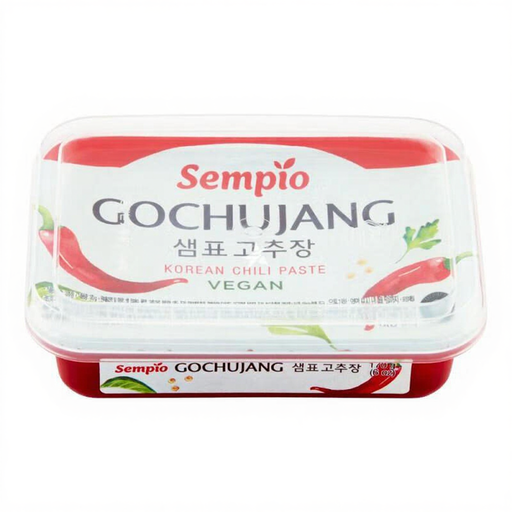
Why it suits this profile: The smaller size is handy if you’re trying Korean recipes for the first time or don’t use gochujang every week.
You won’t need to buy a large quantity before you know whether you like the flavour and level of heat.
170 g; according to the product information, suitable for marinades, stews and dips; made in South Korea.
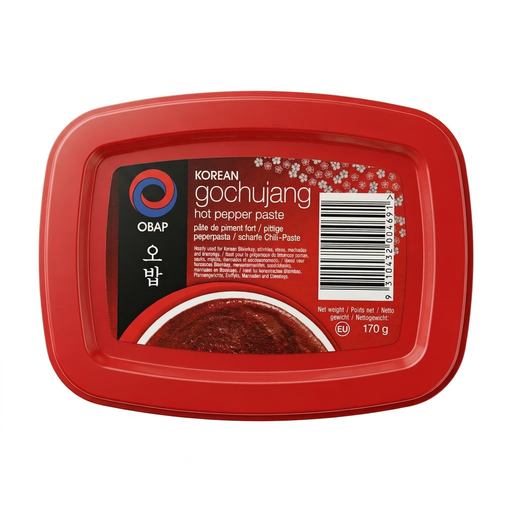
Why it suits this profile: A good choice if you’re specifically looking for a product description that mentions fermentation and traditional ingredients.
The ingredients list includes glutinous rice, soya powder, chilli powder and barley malt, so you don’t have to rely on marketing language alone.
Suitable for bibimbap, tteokbokki, stews and marinades; 170 g pack; soya is listed as an allergen.
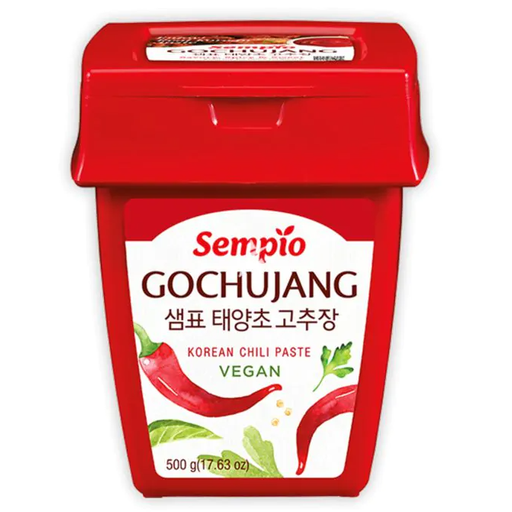
Why it suits this profile: The larger size is a good fit for households that regularly make marinades, stir-fries, dips and soups.
You can avoid buying several small packs and compare the quantity directly with how much you use.
500 g; the product description mentions using it in stir-fries, marinades and dips; contains soya and wheat.
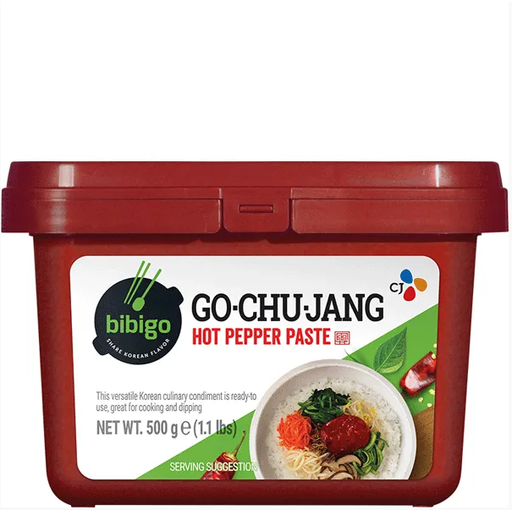
Why it suits this profile: The product information explicitly describes a vegan recipe with no anchovies, seafood or other animal products.
You won’t have to guess whether fish sauce or other animal-derived ingredients have been added; just remember to check the current label.
570 g pack; described as vegan in the product information; suitable for tofu, vegetables, noodles, bibimbap and marinades.
We’ve put together a complete, up-to-date list of products that meet these strict selection criteria and the applicable European safety regulations.
No. Sambal is usually made from ground chillies and seasonings, while gochujang is a thicker Korean paste made with ingredients such as rice or grains, soya and salt. As a result, gochujang often has a sweeter, more savoury flavour.
Store the paste according to the label. Product information for several varieties recommends sealing the pack tightly and refrigerating it after opening. Don’t use a product if its packaging is damaged, and check the best-before date.
For bibimbap, you can use regular gochujang or a sauce made for the dish, such as the O’FOOD variety listed as halal. For tteokbokki, a thick Korean chilli paste works well, often combined with water, sugar, soya sauce and garlic. Start with a small amount and adjust the flavour gradually.
