
Same-day & Next-day Delivery

Quality Guaranteed

Unlock Your Welcome Offers: FREE Delivery | Up to 80% OFF | Free 30-day JoyPlus trial
Download the APP
When you’re looking for glutinous corn on the cob, it’s easy to focus on the picture and the words “sweet” or “waxy corn”. That can lead to a disappointing purchase. Some corn cobs are soft and sticky, while others are juicy and looser in texture. Packaging also varies widely, from two ready-to-eat cobs to a family pack with six or ten pieces.
As a Joybuy Product Recommendation Officer, I’ve filtered the most important product information in a practical way. This helps you see which features matter for a quick snack, a corn side dish, or regular use at home.
“Sweet corn” and “glutinous corn” refer to different product types. Sweet glutinous corn, also known as waxy corn or sticky corn, typically has a denser, chewier bite. Ordinary sweet corn is often juicier and has a softer, less sticky texture.
So check the product name and ingredients list. If it says “glutinous corn”, “waxy corn” or “sticky corn”, that’s a better match for the sticky texture you’re after. If it only says “sweet corn”, it’s usually ordinary sweet corn.
Yellow, white, black and colourful corn look eye-catching, but colour alone doesn’t determine flavour or how it’s prepared. A colourful cob can still be sticky, while a yellow cob might have a softer, sweeter texture.
With the JING NONG Colorful Glutinous Corn Cob 400g Pack (Contains 2), the variety is described as colourful glutinous corn. So the colour is a distinguishing feature, but do check the preparation method, contents and storage conditions before you order.
Some products are fully cooked and can be eaten cold. Others need to be heated first. With vacuum-packed corn, you also need to pay close attention to the instructions: sometimes the inner pack can go in hot water, but not in the microwave.
Always check the label and remove packaging layers according to the usage instructions. Don’t use a pack that is bloated, leaking or damaged.
Choose glutinous corn, waxy corn or “sticky corn” if you want a sticky, firmer bite. For a juicier corn side dish, “sweet corn” is probably a better fit. Product descriptions don’t always use these terms consistently, so also look at the ingredients list.
For example:
The term “glutinous” here refers to the type of starch in the corn, not to gluten-containing grains. If you have an allergy or dietary requirement, always check the current packaging.
Vacuum-packed corn stays practical to store for longer when sealed than loose fresh cobs, but the shelf life varies by product. Look out for:
A pack of 300 to 460 grams is suitable for one or two eating occasions. For a family or store cupboard, bags of 1.32 to 2.4 kilograms make more sense, provided you have enough space and store the cobs according to the label.
Compare the values per 100 grams, not just per pack. Across the range, the stated energy and carbohydrate values vary. For example, Nongsao Glutinous Corn – Double Ear Yellow 300g lists 185 kcal, 36.2 grams of carbohydrates, 4 grams of protein and 0.08 grams of salt per 100 grams.
The ingredients list is also important. This product states 96.67% yellow glutinous corn, water and salt. According to the brand’s product description, the corn is non-GMO and no sugar, preservatives or artificial colours have been added. This is a brand claim; check the packaging for the most up-to-date information.
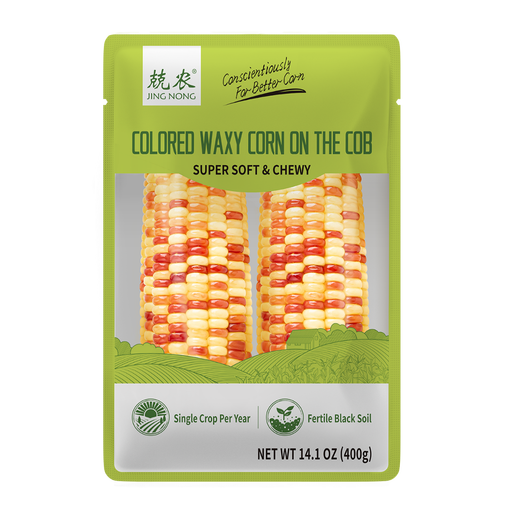
Why this fits the profile: A pack with two cobs is manageable when you want to try glutinous corn first without buying a large quantity straight away.
The product name explicitly says “glutinous”, so you’re less likely to confuse it with ordinary sweet corn.
Two pieces per pack and a colourful glutinous corn variety for a snack or side dish.
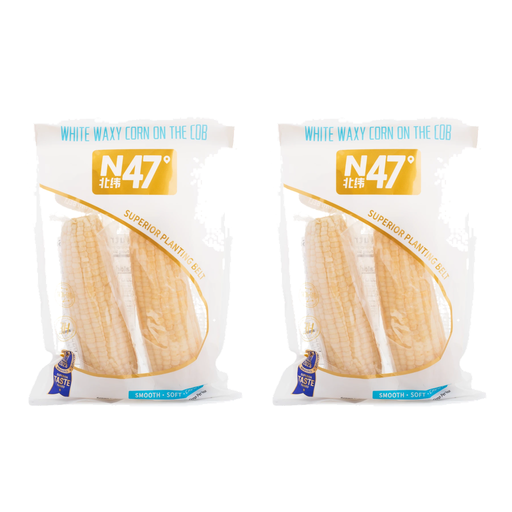
Why this fits the profile: Suitable for households that want multiple portions and appreciate different cooking methods.
The preparation instructions mention steaming, boiling, microwaving and grilling. So you’re not limited to just one method.
920 grams total, white glutinous corn and a stated nutritional value of 131 kcal per 100 grams.
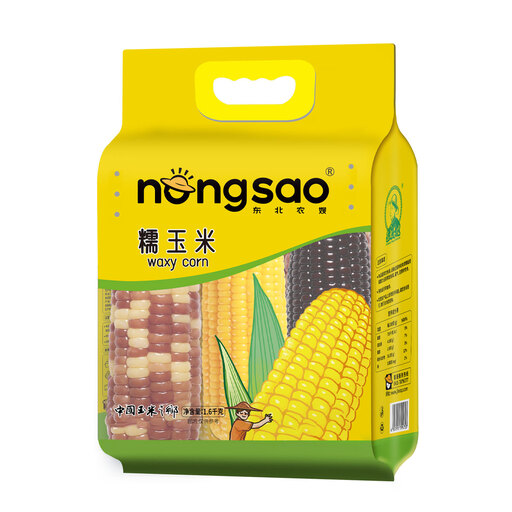
Why this fits the profile: A family pack for households, dinner parties or anyone who regularly uses corn as a snack and side dish.
The product information states three colours, glutinous corn and a total content of 1.6 kilograms. This helps you better understand what you’re buying.
Yellow, black and mottled varieties; according to the product description, ready to serve cold or lightly warmed.
First, check whether the cob is ready-to-eat or needs to be heated. Many products can be prepared using one of these methods:
Store unopened products according to the label, for example in a cool, dry place or chilled at 0–4 °C. After opening, you’ll usually need to chill the corn cob and eat it quickly. The exact shelf life is on the packaging and can vary by brand.
We’ve put together a full, up-to-date list of products that fully meet these strict selection criteria and comply with current European safety regulations.
No. Glutinous corn, waxy corn and sticky corn usually have a denser, stickier bite. Ordinary sweet corn is often juicier and less chewy. Check the product name and ingredients list.
That varies by product. Look at the best-before date on the packaging and the stated storage temperature. After opening, you’ll generally need to keep the corn chilled and eat it quickly.
Only when the product information says the corn is ready-to-eat. Some products are already cooked, while others need heating. Always follow the preparation instructions and check the packaging for damage.
