For a baby who is just starting on bread, soft bread without the crust is more in line with the Netherlands Nutrition Centre’s advice than dry, crunchy toast. If coeliac disease is a concern, choose a product clearly labelled gluten-free and avoid contact with crumbs containing gluten. Also assess the texture on its own, as gluten-free does not automatically mean a product is suitable for your baby’s eating skills.
Who it’s for
Parents who need to provide a strictly gluten-free diet
For coeliac disease, it’s important not only to check that a product is labelled gluten-free, but also to prevent contact with crumbs containing gluten during preparation and serving. The Dutch Coeliac Society emphasises the importance of a strict gluten-free diet for people with coeliac disease.
Parents introducing bread
If you’re moving from practice tastes to bread as part of baby-led weaning, the main thing is to find a texture that suits your baby’s eating skills. The Netherlands Nutrition Centre recommends starting with bread without the crust; this has a different texture from crunchy toast.
Families looking for something gluten-free to take with them
With packaged toast or crackers, check the current gluten-free label, nutritional information and packaging. If food is being taken to nursery or school, it’s also important to agree how to avoid contact with food containing gluten.
What to look for when buying
If you need to follow a strict gluten-free diet, check the label and how the food is prepared first. Then assess the texture for your baby and compare the salt per 100 g in packaged products.
| What to consider |
What to check when buying |
Who it matters to |
| Strictly gluten-free |
Check the current gluten-free label and ingredient information. When preparing food, keep it away from crumbs containing gluten and shared kitchen utensils. |
If my baby has coeliac disease, I want to prevent gluten from other bread getting into their food; for around 46% of consumers, confidence that a product is gluten-free is the top priority. |
| Bread or toast texture |
Distinguish between soft bread without the crust and crunchy toast or crackers; choose a texture that suits your baby’s eating skills. |
For those first bread meals, I’m looking for something my baby can already manage, not just a product with the right label. Around 36% of consumers prioritise a suitable texture to start with. |
| Salt and convenience |
Compare salt levels per 100 g and check the packaging again next time you buy. If taking food to nursery or school, agree the arrangements with the people involved. |
When choosing something convenient to take along, I also want to know what’s in it and how to keep it separate; for around 18% of consumers, this practical and nutritional balance is the main consideration. |
Common mistakes
-
Assuming gluten-free means suitable as a first toast
Schär describes its Zwieback as crunchy, while Albert Heijn calls Van der Meulen Ricetoast crisp. For babies starting on bread, the Netherlands Nutrition Centre recommends bread without the crust, which can be softened if needed.
Choose a texture that matches your baby’s eating skills. Assess crunchy toast separately, even when it is clearly labelled gluten-free.
-
Going by ‘rice’ or ‘corn’ in the product name alone
For a strictly gluten-free diet, the product name isn’t enough: the gluten-free label and avoiding contact with crumbs containing gluten are also important.
Check the current packaging, and use clean utensils and a surface free from crumbs containing gluten when preparing the food.
-
Overlooking the salt content of crunchy products
The Netherlands Nutrition Centre advises against giving babies food containing salt. Albert Heijn states that Van der Meulen Ricetoast Naturel contains 1.5 g of salt per 100 g; this is worth considering alongside the gluten-free label.
Compare the nutritional information per 100 g when weighing up toast or crackers against a bread alternative. A gluten-free label tells you nothing about the salt content.
-
Assuming all gluten-free bread contains iodised baker’s salt
The Netherlands Food and Consumer Product Safety Authority explains that iodine compounds may be present in bread and other bakery products through the use of baker’s salt. This doesn’t mean that a particular gluten-free bread or toast product is made with that salt.
Use the information for the specific product to check its ingredients. Discuss any questions about a restricted diet over a long period with a qualified nutrition professional.
Brands to consider
Schär
Schär offers both crunchy gluten-free Zwieback and gluten-free bread products; Jumbo lists several Schär bread products in its range.
- Schär describes its Zwieback as small, crunchy gluten-free toast.
- Crunchy Zwieback isn’t automatically a suitable first bread texture. Compare it with a softer bread product and check the label of the variety you choose.
Van der Meulen / Melba
Van der Meulen Ricetoast Naturel is a rice toast that Albert Heijn describes as gluten-free and crisp.
- The gluten-free label helps you distinguish this product from standard Melba toast.
- You’ll need to assess the crunchy texture separately for your baby. Albert Heijn states that Ricetoast Naturel contains 1.5 g of salt per 100 g.
Albert Heijn / AH Glutenvrij
Albert Heijn stocks gluten-free products across several bakery categories, including bread and crackers.
- According to Albert Heijn Nieuws, the gluten-free Vrij Van range was expanded in January 2026.
- Check the current packaging for each product. A gluten-free cracker and soft bread don’t automatically serve the same purpose at your baby’s first bread meals.
Jumbo
Jumbo’s gluten-free bakery range includes Schär bread and rolls.
- The different types of bread give you options to consider alongside crunchy toast.
- Check the gluten-free label and texture of each individual product; the fact that a brand appears in a range doesn’t tell you enough.
Bolletje
Bolletje is relevant here as a cracker brand, but its Proteïn & Low carb Crackers are not a gluten-free alternative.
- The ingredients list for this specific product makes it clear that it contains wheat ingredients.
- Bolletje lists wholemeal wheat flour and wheat gluten in these crackers. Don’t choose them if you need a strictly gluten-free product.
Joybuy products for bread alternatives
These products are bread alternatives to consider alongside gluten-free toast: a bread mix to prepare yourself and mini baguettes. For both, check the finished bread and the packaging before deciding whether the texture is suitable for your baby.
 No image available
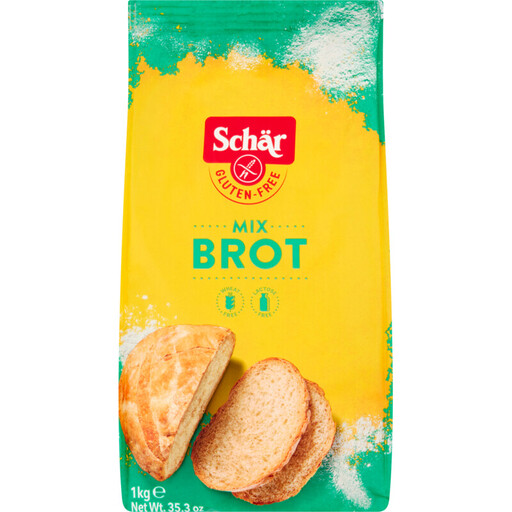
Schär Mix B gluten-free bread mix, 1 kg
For anyone who wants to bake gluten-free bread at home rather than choose ready-made toast. This is a 1 kg bread mix, so you’ll need to prepare it. The texture and crust of the baked bread will depend on the finished result. Check the current packaging and, if you have coeliac disease, avoid contact with gluten during preparation.
View on Joybuy
 No image available
Gv Baguette Mini, 7 pieces
For anyone considering mini baguettes as an alternative to toast. The product name indicates that there are seven pieces; check the packaging for the gluten-free label and preparation instructions. Assess the texture and crust of the finished product separately before offering it to your baby.
View on Joybuy
Frequently asked questions
Is gluten-free toast necessary if my baby has no reason to avoid gluten?
No. The Netherlands Nutrition Centre says that people without a condition requiring it don’t need to eat gluten-free food. For those first bread meals, focus on choosing a suitable texture; the word ‘gluten-free’ doesn’t automatically make a crunchy product suitable.
Is gluten-free toast suitable as a first bread for baby-led weaning?
Not automatically. The Netherlands Nutrition Centre recommends starting with bread without the crust, while Schär Zwieback and Van der Meulen Ricetoast are described as crunchy. Assess the texture in line with your baby’s eating skills, separately from the gluten-free label.
What should I look for in toast for a child with coeliac disease?
Check the current packaging for a gluten-free label and avoid contact with crumbs containing gluten during preparation and serving. The Dutch Coeliac Society emphasises that people with coeliac disease need to follow a strict gluten-free diet, so a rice or corn ingredient in the product name alone isn’t enough.
Does gluten-free bread always contain iodine from baker’s salt?
No, that doesn’t follow from the name ‘gluten-free bread’. The Netherlands Food and Consumer Product Safety Authority explains that iodine compounds may be present in bread and other bakery products through the use of baker’s salt, but this tells you nothing about the salt used in a particular product. Check the product information to find out.


