What should you look for when shopping for your holiday?
Start by checking the gluten-free label on the packaging. Then choose a product to suit the occasion, and check the other allergens, portion sizes and flavour of the exact product you’re buying.
| What to look for |
What to check when buying |
Who it matters to |
| Gluten-free labelling |
Look for ‘gluten-free’ or the Crossed Grain symbol on the current packaging. If you’ll be using a shared kitchen, plan to use clean utensils too. |
With coeliac disease, I want to be sure which toast I can take with me and avoid crumbs from ordinary bread getting into it. For around 36% of consumers, choosing a gluten-free option comes first. |
| Other allergens |
Read the ingredients and allergen information, including any ‘may contain’ statement, for the flavour you’ve chosen. |
If, for example, some of my guests need to avoid egg or soya, I need to check more than just the gluten-free label. Around 29% of consumers prioritise checking for additional allergens. |
| Portions and supplies |
Compare the pack weight and product type with the number of people eating and the planned mealtimes. |
For a trip with several mealtimes, I want to bring enough suitable products with me, rather than relying on finding a shop at my destination. For around 21% of consumers, planning supplies is the biggest consideration. |
| Flavour and shape |
Think about whether you’d prefer seasoned toast, a neutral base or crackers to go with the toppings you’re bringing. |
For a sharing platter, I look for a shape and flavour to suit the snacks, after checking the packaging for gluten-free labelling and relevant allergens. This is the main consideration for around 14% of consumers. |
Joybuy products for toast and savoury snacks
This selection includes rice toast and lentil wafers as savoury snacks for on the go or to serve with drinks. If you have coeliac disease, check the gluten-free labelling on the current packaging of both products before choosing them.
 Image unavailable
Van Der Meulen Rice Toast Natural, 65 g
A rice toast option for anyone looking for small pieces of toast to serve with drinks. If you have coeliac disease, check the gluten-free labelling on the current packaging and read the allergen information carefully, including details about sesame and soya.
View at Joybuy
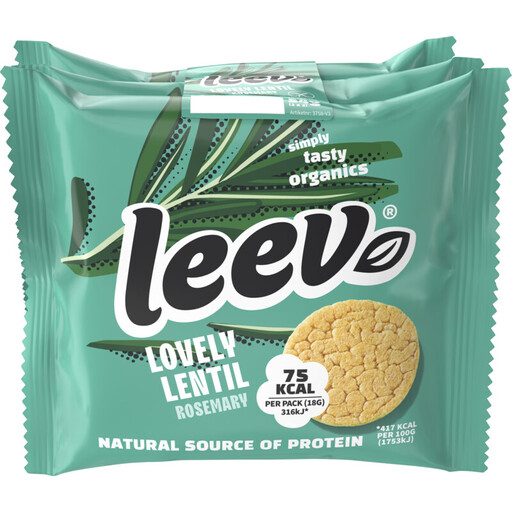 Image unavailable
Leev Organic Rosemary Lentil Wafers, 54 g
Rosemary lentil wafers for anyone looking for a savoury snack as well as toast; these aren’t toast. If you have coeliac disease, check the gluten-free labelling on the current packaging and read the allergen information too.
View at Joybuy
Frequently asked questions
Can I take ordinary Melba toast with me if I have coeliac disease?
Melba Toast Naturel isn’t a gluten-free option: Melba Toast lists wheat and barley among its allergens. If you have coeliac disease, choose toast whose current packaging clearly states that it’s gluten-free.
How can I identify gluten-free toast in the shop?
Look for ‘gluten-free’ or the Crossed Grain symbol on the current packaging, as recommended by the Netherlands Nutrition Centre. Then read the ingredients and allergen information for the exact variety, especially if you need to avoid other substances too.
How do I serve gluten-free toast in a shared holiday home?
Keep gluten-free toast separate from ordinary bread products, and use a clean board, a clean knife and a separate serving plate. Watch out for crumbs when other people are using the same kitchen too.
Is gluten-free toast also free from egg, soya, nuts and sesame?
No, it depends on the product. Jumbo lists egg and oats, and possible traces of nuts and sesame, in Gluten Free Bakery Holland Toastjes Italiaans Gekruid; Albert Heijn lists soya in Laurieri Scrocchi zeezout glutenvrij. Check the packaging of the variety you’re buying.
Does baker’s salt mean that all toast contains iodine?
No, don’t assume this is true of every type of toast. The Netherlands Food and Consumer Product Safety Authority explains that iodine compounds may be present in bakery products through the use of baker’s salt. Check the packaging or ask the manufacturer about a specific product.


