What should you look for?
First, check that the product is labelled gluten-free. Then choose a style that suits the meal and compare the nutritional information and allergens in the options you’re considering.
| What to consider |
What to check when buying |
Who should pay particular attention? |
| Gluten-free labelling |
Read the ‘gluten-free’ label and allergen information on the packaging; don’t judge by the dark colour or the name of a bread. |
If I’m serving someone with coeliac disease, I want to be able to check what’s in the product and avoid contact with gluten; this reassurance is the priority for around 40% of consumers. |
| Style to suit the meal |
Compare bread or rolls for brunch with crackers or crispbread for small topped bites; if you’re buying a baking mix, read the preparation instructions. |
For brunch, I want bread I can add toppings to, while for drinks I’d rather make small bites; the style of food served is the deciding factor for around 30% of consumers. |
| Nutritional information and allergens |
Compare fibre per 100 g and read the listed allergens and ‘may contain’ information, especially if guests have more than one dietary restriction. |
When I’m shopping for several guests, I want to know which ingredients besides gluten matter and how the fibre content varies; this is the most important factor for around 30% of consumers. |
Bread mix for home baking at Joybuy
This bread mix is an option if you’d like to bake gluten-free bread for Christmas brunch rather than serve ready-made bread or crackers. Allow time for preparation and check the packaging before you start.
 No image available
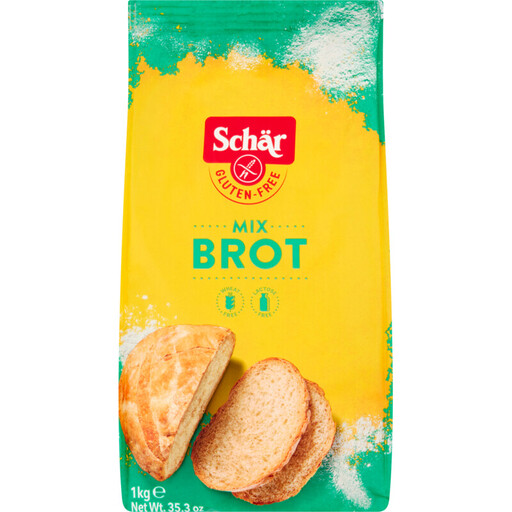
Schär Bread Mix-Mix B Gluten Free, 1 kg
For a brunch where you’d like to bake your own bread. This is a 1 kg gluten-free bread mix, not a loaf that’s ready to serve.
Before baking, read the instructions and allergen information on the current packaging; pay particular attention to soya. Take care to avoid possible contact with gluten during preparation and serving.
View at Joybuy
Frequently asked questions
Can I serve rye bread to someone with coeliac disease?
Not if it contains rye: according to the Netherlands Nutrition Centre, rye is a gluten-containing grain. Choose an alternative labelled ‘gluten-free’ for your guest, and also check the ingredients and how it will be served.
How can I recognise a gluten-free alternative?
Look for the ‘gluten-free’ label on the packaging; the Netherlands Nutrition Centre also lists the Crossed Grain trademark as a way to identify gluten-free products. Check the current ingredients and allergen information as well, especially if other allergies are involved.
Can I buy unwrapped rolls for a guest with coeliac disease?
You’ll need to make extra checks: before buying, ask for the allergen information and how the rolls are prepared and served. With a pre-packed product, you can check the gluten-free label and ingredients on the packaging yourself; in either case, avoid contact with gluten when serving.
Are gluten-free products listed online available in every shop around Christmas?
An online range doesn’t guarantee that an individual shop has the product in stock. Check what’s available locally shortly before you buy, then read the packaging of the product you actually choose.
Does gluten-free bread always contain baker’s salt with iodine?
No, don’t assume it does. The Netherlands Nutrition Centre describes bread as an important source of iodine in the Netherlands because of baker’s salt, but not every baker uses it in every loaf. If you replace bread over a long period, check the ingredients of the products you use regularly.


