
A player with coeliac disease
You want biscuits with a gluten-free label on the current packaging. You’ll also want to know which other allergens they contain and whether they’ll be served without coming into contact with regular snacks.


If you’re choosing biscuits for someone with coeliac disease, look for a clear gluten-free label and check the current packaging for any other relevant allergens. If you’re considering oat biscuits, ask whether the person can tolerate gluten-free oats. Serve the biscuits separately from regular snacks and avoid contact with crumbs or hands that have handled other food.
You want biscuits with a gluten-free label on the current packaging. You’ll also want to know which other allergens they contain and whether they’ll be served without coming into contact with regular snacks.
You’re putting out snacks for several players. A separate spot for gluten-free biscuits, clean hands and keeping the packaging closed for as long as possible all help prevent contact with crumbs from regular biscuits. The Dutch Coeliac Society highlights the importance of avoiding cross-contamination.
You want to offer a range of biscuit types or portions that are easy to share. Check the gluten-free label and allergens for each variety first, including oats, nuts, egg and soya where relevant.
Start by checking the gluten-free label and allergens on the packaging. Then work out how you can serve the biscuits separately during game night and which flavours will suit your guests.
| What to consider | What to check before buying | Who is this most important for? |
|---|---|---|
| Gluten-free label | Check the current packaging for a ‘gluten-free’ label and read the ingredients and allergen information. | When I’m buying biscuits for someone with coeliac disease, I don’t want to rely on the impression that they’re wheat-free or on a flavour name. Around 40% of consumers prioritise the gluten-free label. |
| Serving separately | Check whether you can set out separate portions, and use clean hands and a clean area of the table. | At a shared snack table, I want to stop crumbs from regular biscuits getting into the gluten-free portions. For around 30% of consumers, serving separately is the first concern. |
| Biscuit type and packaging | Compare the specific gluten-free varieties and choose packaging that’s practical for serving during your gaming session. | For a longer gaming session, I want to be able to choose from different types of biscuits without treating regular biscuits as an alternative. Around 20% of consumers prioritise variety. |
| Oats and other allergens | Check whether the variety contains oats and read the full allergen information on the packaging. | If the person can’t tolerate oats or has another food allergy, I need to choose carefully between biscuits in the gluten-free range too. This is the most important consideration for around 10% of consumers. |
According to Lotus’s Dutch product specification, Biscoff Original contains wheat flour and lists gluten as an allergen. The flavour or type of biscuit says nothing about whether it’s suitable for someone with coeliac disease.
Choose a biscuit with a gluten-free label for that person, and keep regular speculoos biscuits away from the gluten-free portions.
Oats can come into contact with gluten during production and processing. The Dutch Coeliac Society also says that not everyone with coeliac disease can tolerate pure oats.
Only choose oat products labelled gluten-free, and ask the person beforehand whether gluten-free oats are suitable for them.
Even biscuits bought as gluten-free can become unsuitable if they come into contact with crumbs from regular biscuits. The Dutch Coeliac Society warns against this type of cross-contamination.
Keep the biscuits packaged for as long as possible and serve them with clean hands in a separate area of the table.
The allergens listed vary between biscuit varieties. Jumbo lists soya and possible traces of lupin and egg for Schär Digestive Landtaler; Albert Heijn lists other allergens for its oat and almond biscuits.
When buying, read the full allergen information for the exact variety and packaging you’ve chosen.
These brands offer options to consider across different types of biscuits, but you should check the label and allergens for each product.
A gluten-free brand with cookies, biscuits and Digestive Landtaler among the products in the range described by Jumbo.
Albert Heijn’s own-brand range of different gluten-free biscuits, including oat biscuits with hazelnut and almond biscuits.
ALDI describes this brand’s coconut macaroons as six gluten-free coconut-flavoured biscuits in a 360 g pack.
Lotus Biscoff Original is a well-known speculoos biscuit, but it isn’t a gluten-free option for this game night.
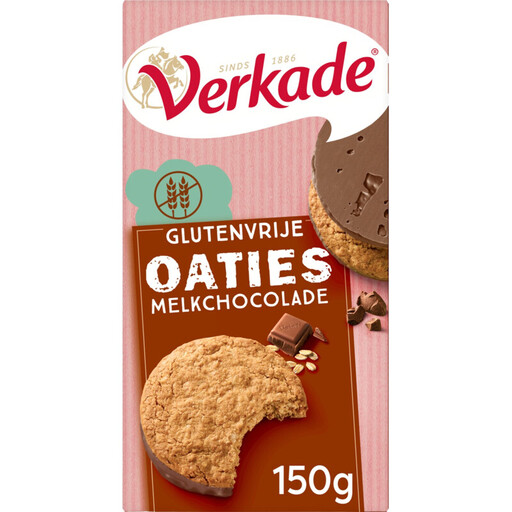
This milk chocolate oat biscuit is an option for game night if the person can tolerate gluten-free oats. Check the current packaging before serving and keep the biscuits separate from regular snacks.
 No image available
For anyone who can tolerate gluten-free oats and is looking for a biscuit with milk chocolate.
150 g pack. Check the gluten-free label and allergen information on the current packaging, including details about oats, milk, soya and nuts.
No. Under EU rules for the ‘gluten-free’ label, a food can contain up to 20 mg/kg of gluten. You should also check the current packaging for any other allergens relevant to the person eating it.
No. In its Dutch product specification for Biscoff Original, Lotus lists wheat flour and gluten as an allergen. Don’t choose this variety for someone with coeliac disease.
Not without checking with them first. Choose only oat biscuits labelled gluten-free and ask whether they can tolerate gluten-free oats. The Dutch Coeliac Society estimates that around 8% of people with coeliac disease also react to pure oats.
Keep gluten-free biscuits packaged for as long as possible and give them a separate spot on the table. Use clean hands and make sure crumbs from regular biscuits don’t get into the gluten-free portions.