Who is this choice relevant to?

If you’re hosting a guest with coeliac disease

You want to serve gluten-free bread alongside your Sunday roast without it coming into contact with crumbs from regular bread when it’s cut or placed on the table. The Voedingscentrum highlights the importance of preventing cross-contamination.

If you want to put bread straight on the table

You’re looking for sliced white bread that doesn’t need oven space, and want to know before buying whether the pack size will suit the number of people eating.

If you prefer to serve warm bread

You want to bake rolls for the meal or make your own bread. You’ll need to set aside time and oven space, and have clean, separate kitchen utensils available.

What should you look for when buying?

Sliced gluten-free white bread

Choose this if: you want to serve bread with your roast without any extra preparation.

Bear in mind: even ready-to-eat bread needs its own chopping board, knife and bread basket if regular bread is also on the table.

Bake-off rolls or homemade bread

Choose this if: you want to serve warm bread and have space to prepare it.

Bear in mind: bake-off rolls and bread mixes need preparation; a bread mix isn’t ready-made bread.

What to consider What to check before buying Who it’s most relevant to
Gluten-free and served separately Check that the pack is labelled ‘gluten-free’ and use clean, separate utensils. If someone with coeliac disease is eating with me, I want to prevent regular bread or shared utensils from contaminating the gluten-free bread. This is the top concern for around 36% of consumers.
Quantity and convenience Compare the net weight and stated number of servings; decide whether you’ll serve the bread straight away or prepare it first. When I’m hosting a full table, I want to serve enough bread without having to bake at the last minute. Around 29% of consumers give this need the highest priority.
Storage and leftovers Read the storage instructions and check whether you can freeze any leftover bread. If not everyone eats bread, I want to choose a pack that lets me store any leftovers. This is the main consideration for around 21% of consumers.
Ingredients and allergens Read the up-to-date ingredients and allergen list; compare the nutritional information per 100 g if it matters to your choice. If a guest needs to avoid another allergen as well as gluten, I want to know exactly what’s in this particular bread. This check matters most to around 14% of consumers.

Common mistakes when choosing and serving

  • Serving gluten-free bread with shared utensils

    According to the Voedingscentrum, even a stray bread crumb can cause symptoms for someone with coeliac disease. A gluten-free product can still come into contact with gluten while being cut or at the table.

    Cut the bread separately and use its own board, knife, bread basket and serving utensils. Keep shared butter, toppings and gravy away from bread crumbs too.

  • Looking only at the pack size

    A larger pack can be handy when you’re feeding several people, but it may leave you with leftovers if not much bread is eaten.

    Plan the number of servings alongside your other side dishes, and check how to store any leftover bread before you buy.

  • Assuming gluten-free means free from other allergens

    The gluten-free label doesn’t mean that bread is also free from ingredients such as soya, egg, milk or nuts. Allergens vary from product to product.

    Ask guests about any other relevant allergies and check the ingredients and allergen list on the pack you’re buying.

  • Assuming unpackaged bread is made gluten-free

    With bread from a shared bakery environment, it’s important to consider both the ingredients and the possibility of contact with products containing gluten.

    If someone has coeliac disease, choose bread clearly labelled gluten-free. For unpackaged bread, ask about allergen information and measures to prevent cross-contamination.

Brands compared

AH Glutenvrij

Albert Heijn lists a 480 g half loaf of gluten-free white bread with 12 servings.

  • According to Albert Heijn, this bread is baked in a dedicated gluten-free bakery and can be frozen on the day of purchase.
  • Check the current packaging for other allergens; Albert Heijn lists possible traces of egg, milk, soya, oats and nuts, among others.

Jumbo Lekker Vrij

Jumbo lists sliced Lekker Vrij van Gluten Wit, weighing 500 g and providing around 12 servings.

  • Jumbo states that this product carries the Crossed Grain symbol.
  • According to Jumbo, the bread contains soya and may contain egg, milk and nuts; check the packaging when you buy it.

PLUS

PLUS lists its own gluten-free white bread, made with tapioca starch.

  • The ingredients list for this PLUS bread includes iodised salt.
  • According to PLUS, the product contains soya and may contain other allergens. If you’re buying for a group, check the net weight too.

Schär

Schär offers several types of bread, including Meesterbakker Classic (300 g) and gluten-free mini baguettes.

  • PLUS lists 8.1 g of fibre per 100 g for Meesterbakker Classic. The 300 g pack may suit you if you need less bread.
  • According to the product information, Meesterbakker Classic contains soya and may contain lupin and mustard. Check the preparation instructions and allergen information for each Schär product.

Bread products to prepare yourself

These Joybuy products are suited to preparing gluten-free bread yourself for a Sunday roast. They’re not a substitute for sliced bread that’s ready to serve; for the mini baguettes, check the pack to confirm the product type and preparation instructions.
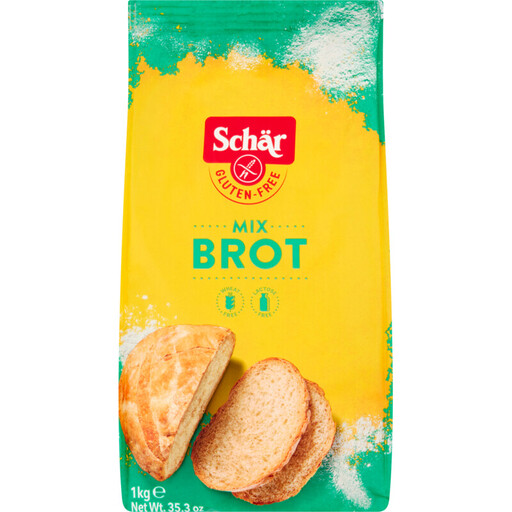
Schär Mix B gluten-free bread mix, 1 kg

Schär Mix B gluten-free bread mix 1 kg

For anyone who wants to bake their own bread before the Sunday roast and has time to do so.

This is a 1 kg bread mix that can be made by hand or in a bread machine; the bread still needs to be prepared and baked. The product contains soya. Check the preparation instructions and allergen information on the packaging, and use clean, separate utensils if you have coeliac disease.

View at Joybuy

Gv Baguette Mini 7 Pieces

Gv Baguette Mini 7 Pieces

For anyone who wants to prepare gluten-free bread to serve with a roast rather than putting sliced bread straight on the table.

Check the packaging before you buy: the product information describes both rolls to bake and a mix, so the product type and preparation method aren’t clear. Check the net weight and allergen information too; the product information lists soya and possible traces of lupin and mustard. If you have coeliac disease, use clean, separate utensils for preparation and serving.

View at Joybuy

Frequently asked questions

Is ‘wheat-free’ the same as gluten-free for someone with coeliac disease?

No. Choose bread explicitly labelled ‘gluten-free’; ‘wheat-free’ alone doesn’t confirm that it’s suitable. The Voedingscentrum also advises avoiding contact with crumbs and utensils from regular bread.

How should I serve gluten-free bread alongside regular bread?

Keep the gluten-free bread separate and use a clean, dedicated board, knife, basket and tongs. Take care with shared butter, toppings and gravy too, so crumbs from regular bread don’t get onto the gluten-free bread.

Which pack size is suitable for a larger Sunday roast gathering?

Compare the number of servings with your guest list and the other side dishes. Jumbo lists Lekker Vrij van Gluten Wit at 500 g and around 12 servings; Albert Heijn lists Glutenvrij Wit brood half at 480 g and 12 servings. A 300 g pack contains less bread, but how much you need depends on what else you’re serving.

Does ‘gluten-free’ also tell me anything about other allergens or iodine?

No. Always read the label of the bread you choose for information about other allergens and ingredients. For example, the ingredients list for PLUS Wit glutenvrij includes iodised salt and soya; you can’t use this to infer its iodine content or the properties of other gluten-free breads.

Can I freeze gluten-free white bread before the roast?

According to the product information, Albert Heijn’s gluten-free white half loaf can be frozen on the day of purchase. Follow the defrosting instructions for this bread, and check the current packaging for storage instructions for other products.
