If you have coeliac disease, first choose a pack that identifies the bread as gluten-free, and avoid contact with crumbs containing gluten at home. If you want something to eat straight away in the middle of the night, choose bread or a roll that doesn’t need defrosting or baking; frozen rolls, part-baked products and bread mixes all need preparation. If you regularly replace your usual bread, compare the nutritional information too and check whether iodised salt is listed in the ingredients.
Who is this choice relevant to?
Anyone who needs to eat strictly gluten-free for a late-night snack
If you have coeliac disease, start by choosing bread that is labelled gluten-free. Also watch out for contact with crumbs from ordinary bread via hands, knives, chopping boards or toasters; the Dutch Coeliac Society highlights the risk of cross-contamination.
Anyone who wants something to eat straight away
If you don’t want to wait, the type of product makes a difference. A frozen roll may need to defrost first: Jumbo says its Odenwald Bakery gluten-free white roll takes around three hours at room temperature.
Anyone who regularly eats gluten-free bread
If gluten-free bread often replaces your usual bread, consider fibre and the ingredients as well as convenience. The Netherlands Nutrition Centre advises paying attention to your iodine intake if you eat little bread or bread without iodised salt.
What should you look for when choosing?
First, check that the bread is labelled gluten-free and can be prepared without cross-contamination in your situation. Then choose between bread you can eat straight away and a product that needs defrosting, baking or other preparation first.
| What to consider |
What to check before buying |
Who should pay particular attention? |
| Gluten-free status and cross-contamination |
Read the gluten-free label and allergen information on the packaging. At home, use clean utensils with no crumbs from ordinary bread. |
If I have another slice of bread late at night because of coeliac disease, I also want to avoid contact with gluten while preparing it. For around 42% of consumers, this reassurance comes first. |
| Ready to eat straight away |
Check whether the bread is ready to eat or needs defrosting, baking or other preparation first; read the storage instructions too. |
If I’m hungry in the middle of the night, I don’t want to wait for an oven or a roll to defrost. Around 33% of consumers give top priority to having food ready straight away. |
| Nutritional information |
Compare fibre and salt per 100 g or per serving, and check whether iodised salt is listed in the ingredients. |
If I regularly eat gluten-free bread instead of my usual bread, I want to know how it fits into the rest of my diet. For around 25% of consumers, this nutritional consideration matters most. |
Common mistakes
-
Relying on a gluten-free category in an online shop
A category doesn’t tell you what’s on the packaging of the bread you’re holding. PLUS also warns that product information, including ingredients and allergens, may change.
Before eating, check the gluten-free label, ingredients and allergens on the packaging of that specific product.
-
Buying a frozen or part-baked roll when you want something immediately
Not every white roll can be eaten straight from the pack. According to the product information, Jumbo’s frozen Odenwald Bakery roll needs to defrost for around three hours.
Keep a ready-to-eat gluten-free option for unexpected late-night hunger, and plan ahead for frozen and part-baked products.
Jumbo also says not to refreeze the Odenwald roll after defrosting, and that it can be kept for up to two days.
-
Overlooking crumbs in the kitchen
According to the Dutch Coeliac Society, gluten can get into a product that should not contain it through cross-contamination.
Use clean hands, a clean knife and a clean chopping board, and keep the bread away from crumbs from ordinary bread.
-
Assuming all gluten-free white bread has the same nutritional value
Fibre content varies from product to product. The Netherlands Nutrition Centre also highlights iodine intake if you eat little bread or bread without iodised salt.
Compare the nutritional information per 100 g or per serving and check the ingredients for iodised salt. If you regularly replace your usual bread, consider how it fits into your overall diet.
Brands and shops to explore
Albert Heijn
Albert Heijn lists products online including Consenza Gluten-free white bread, and has a page dedicated to gluten-free products.
- You can search specifically for packaged gluten-free white bread.
- Check the packaging of your chosen bread before eating; a shop’s website doesn’t replace the current label.
Jumbo
Jumbo lists various types of gluten-free bread, including white bread and frozen rolls.
- The range of products lets you choose between a loaf and a roll for a planned snack.
- Check the preparation instructions for each product: according to Jumbo, the Odenwald Bakery frozen white roll needs around three hours to defrost.
PLUS
PLUS lists both PLUS White gluten-free bread and Schär Meesterbakker Classic on its product pages.
- You can compare the packaging of a supermarket own-brand loaf with a branded loaf.
- PLUS says that ingredients, nutritional values and allergen information may change; check the label on the product you buy.
Dirk
Dirk lists gluten-free bread in its search results, including Schär Mini Baguette gluten-free.
- A small part-baked product could work if you want to prepare your snack in advance.
- A part-baked baguette isn’t something you can eat straight away without preparation.
ALDI
ALDI includes gluten-free bread in its range of baked snacks and rolls.
- You can look specifically for gluten-free rolls in store.
- Check the packaging of each white roll, particularly for the gluten-free label and allergen information.
Lidl
Lidl has an information page about its gluten-free range.
- The range page is a useful starting point when looking for gluten-free products.
- Check which specific white bread products are available in store at the time, and read their packaging.
Joybuy products to explore
These products are suitable for baking or preparing bread in advance, not for a snack you want to eat straight away. Before buying, check the product packaging if the gluten-free label, allergens or preparation instructions are important to you.
 No image available
Gv Baguette Mini 7 Pieces
An option if you want to bake gluten-free white mini rolls in advance; they need to be prepared first if you want something to eat straight away.
The product description lists fibre, iodised salt and soya, and mentions possible traces of lupin and mustard. Check the packaging for the latest allergen information, gluten-free label, contents and baking instructions.
View at Joybuy
 No image available
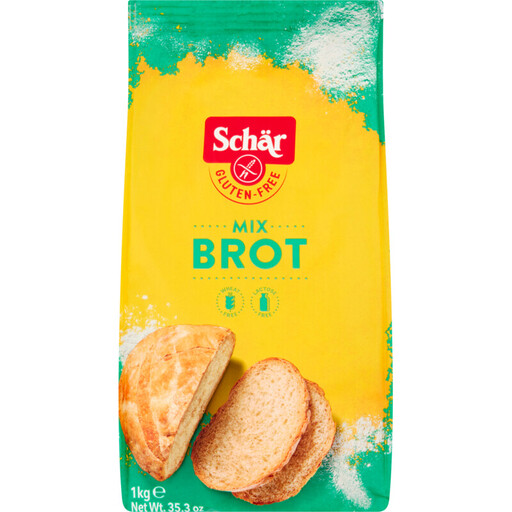
Schär Bread Mix-Mix B Gluten Free, 1 kg
A bread mix for anyone who wants to prepare and bake gluten-free bread in advance, rather than have a ready-to-eat late-night snack.
The description says it can be prepared by hand or in a bread maker, and lists soya. Check the packaging for the gluten-free label, allergens and preparation method. Also check whether the mix makes the white bread you’re looking for and whether iodised salt is listed in the ingredients.
View at Joybuy
Frequently asked questions
Is a gluten-free label on bread enough if you have coeliac disease?
The label is important when choosing a product, but you should also watch out for cross-contamination when preparing the bread. According to the Dutch Coeliac Society, gluten can get into food that should not contain it via crumbs or kitchen utensils.
Can a gluten-free white frozen roll be served straight away?
That depends on the preparation instructions. Jumbo says its Odenwald Bakery white roll needs around three hours to defrost at room temperature; once defrosted, it must not be refrozen and can be kept for up to two days.
Does all gluten-free white bread contain iodised salt?
Don’t assume so: check the ingredients of the bread you choose. The Netherlands Nutrition Centre highlights iodine intake if you eat little bread or bread without iodised salt, so consider any regular replacement as part of your overall diet.
Why should I read the label after ordering?
The packaging you receive is what you should use to check the ingredients and allergens before eating. PLUS says that product information for its gluten-free white bread may change, including nutritional values and allergen information.


