If you have coeliac disease, first choose bread explicitly labelled ‘gluten-free’ and check the allergen information on the packaging when you buy it; ‘wheat-free’ alone isn’t enough. For a holiday, decide between ready-to-eat bread and something you can bake yourself, depending on your storage space and the kitchen at your destination. If iodised salt in bread is relevant to your diet, check the ingredients too: according to the Netherlands Nutrition Centre, baker’s salt is not compulsory.
Which option is right for you?
Travellers with coeliac disease
You need bread that is explicitly labelled gluten-free. How you store and prepare it at your holiday accommodation matters too: the Dutch Coeliac Society recommends keeping gluten-free products well wrapped and separate to prevent cross-contamination.
Holidaymakers without a supermarket nearby
You want to plan breakfast or lunch for the first few days of your trip without relying entirely on finding a shop at your destination. So, before you leave, check the use-by date and storage instructions for anything you’re taking with you.
Self-catering holidaymakers
If there’s a suitable oven, you could also consider part-baked rolls. Check that you can use clean baking equipment, knives and work surfaces, especially if regular bread is prepared in the same kitchen.
What should you look for when choosing?
First, check the gluten-free label and any other relevant allergens. Then let shelf life, preparation options and your shopping plans guide your choice of bread.
| What to look for |
What to check when buying |
Who it matters to |
| Gluten-free label |
Look for the ‘gluten-free’ label and check the packaging for warnings about cereals containing gluten. |
If I have coeliac disease, I don’t want to rely on ‘wheat-free’ alone, and I need to be able to assess any cross-contamination warning too. This is the top priority for around 36% of consumers. |
| Storage and preparation |
Check the use-by date and storage instructions, and whether you have a suitable oven for part-baked products. |
When travelling, I want to take bread that I can store and prepare at my destination too. This peace of mind is the top priority for around 29% of consumers. |
| Nutrition information and allergens |
Check the ingredients, other allergens and nutrition information, including fibre and salt per 100 g. |
When comparing bread products, I want to know whether they contain iodised salt and any other allergens that matter to me. For around 21% of consumers, checking this information on the label comes first. |
| Shop availability |
Check shortly before you leave that your chosen product is available, and decide on a back-up option. |
I don’t want to find out only once I arrive that the bread I’d planned to buy isn’t available. After checking it’s gluten-free, availability matters most to around 14% of consumers. |
Common mistakes
-
Confusing ‘wheat-free’ with ‘gluten-free’
A list of ingredients that doesn’t include wheat doesn’t, by itself, tell you whether other cereals containing gluten or cross-contamination are an issue. The European ‘gluten-free’ label means the product contains no more than 20 mg of gluten per kg.
If you have coeliac disease, check the explicit gluten-free label and allergen information on the packaging every time you buy.
-
Overlooking shared bread utensils
Even bread bought as gluten-free can come into contact with crumbs from regular bread when you prepare it.
Keep the bread well wrapped and separate. Use clean or separate utensils and a clean work surface, as recommended by the Dutch Coeliac Society.
-
Relying entirely on shops at your destination
Your planned purchase may not work out if the range at your destination is different. For example, Lidl says that its additional gluten-free products are not available.
Arrange bread for the first few days of your trip, check your chosen shop shortly before you leave and have a second place in mind where you could buy it.
-
Assuming all bread contains iodised baker’s salt
According to the Netherlands Nutrition Centre, using baker’s salt is not compulsory. Ingredients and nutrition information can also vary from one loaf to another.
Check the packaging for iodised salt or baker’s salt. If they matter to your choice, compare fibre and salt per 100 g too.
Brands and shops to explore
These examples can help you decide which type of product and label information you want to compare. Always check the specific product you’re buying again.
Albert Heijn
Albert Heijn lists AH Glutenvrij Wit brood half as pre-packed white bread.
- The product information lists 10 g of fibre and 0,9 g of salt per 100 g.
- The bread may contain egg, milk, soya, oats and nuts, among other ingredients. Check the packaging, as product information can change.
Jumbo
Jumbo lists Lekker Vrij van Gluten Wit in a 500 g pack.
- The product information mentions iodised salt and says to store the bread in a cool, dry place.
- The bread contains soya and may contain egg, milk and nuts; check the latest packaging.
PLUS
PLUS lists PLUS Wit glutenvrij as its own-brand bread.
- The product information lists 6,158 g of fibre per 100 g and a Nutri-Score of C.
- The bread contains soya and may contain oats, egg, milk and nuts. Check this information on the packaging of the product you buy.
Schär
Dirk lists Schär Mini baguette glutenvrij, 150 g, as an option for baking at your holiday accommodation.
- The small pack could be handy for individual meals if you have a suitable oven.
- Before use, check the full ingredients and allergen information on the packaging.
ALDI
ALDI lists gluten-free options among its part-baked products.
- Part-baked rolls are worth considering if you can bake at your destination.
- Only choose a specific product once you’ve checked the gluten-free label, allergens and preparation instructions on the packaging.
Lidl
Lidl has an information page about its gluten-free range.
- You can check the current range when planning a visit to the shop.
- Lidl says that additional gluten-free products are not available. Don’t rely solely on those extra products for the first few days of your trip.
Products to bake yourself
These Joybuy products suit holidaymakers who can bake for themselves: mini baguettes to bake in the oven and a bread mix for making a loaf. They are not ready-to-eat slices of white bread, so check the kitchen facilities you’ll need and the packaging in advance.
 No image available
Gv Baguette Mini, 7 pieces
Worth considering if you can bake the mini baguettes at your holiday accommodation. You’ll need a suitable oven and clean or separate bread utensils.
Before you leave, check the use-by date and storage instructions. When buying, read the latest packaging, especially if soya, lupin or mustard matters to you.
View at Joybuy
 No image available
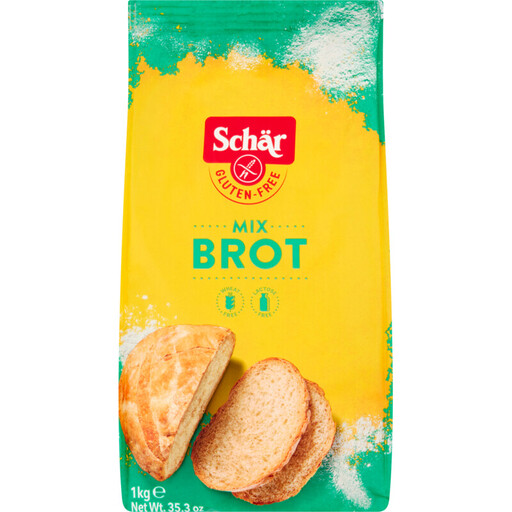
Schär Bread Mix-Mix B Gluten Free, 1 kg
This gluten-free bread mix is only suitable if you can prepare the dough and bake bread yourself at your destination. It isn’t ready-made bread.
Check the preparation instructions, use-by date and allergen information on the packaging. If iodised salt matters to your comparison, check the ingredients too.
View at Joybuy
Frequently asked questions
Is ‘wheat-free’ enough if I have coeliac disease?
No. ‘Wheat-free’ alone doesn’t confirm that bread is gluten-free. The European ‘gluten-free’ label means the product contains no more than 20 mg of gluten per kg; you should also check the allergen information on the packaging.
What does ‘may contain cereals containing gluten’ mean?
Don’t take this warning as confirmation that the bread is suitable for someone with coeliac disease. According to the Dutch Coeliac Society, the warning indicates a real risk that the product contains more than 20 mg of gluten per kg.
How can I keep gluten-free bread separate in a holiday home?
Keep it well wrapped and separate from regular bread. When preparing it, use clean hands, a clean work surface and clean or separate bread utensils, so crumbs from regular bread don’t get onto the gluten-free bread.
Does gluten-free white bread always contain iodised salt?
No, you can’t assume that every loaf does. According to the Netherlands Nutrition Centre, baker’s salt is not compulsory. Check the ingredients list of the product you’re buying to see whether iodised salt or baker’s salt is listed.
Can I rely on online allergen information alone before I leave?
Use online product information to plan your purchase, but check the packaging you receive too. Albert Heijn, Jumbo and PLUS note that product and allergen information can change.


