What should you look for when choosing?
Start by checking that the bread is labelled gluten free and can be prepared without contact with ordinary bread. Then choose a type of bread that suits the time you have before dinner and the ingredients your guest needs to avoid.
| What to consider |
What to check |
Who is it important for? |
| Gluten-free status and crumbs |
Look for the words ‘gluten free’ on the packaging. Use clean kitchen utensils and keep the bread separate from ordinary bread. |
When I’m cooking for someone with coeliac disease, I don’t want even a bread crumb to get into the gluten-free dish. For around 46% of consumers, this is the main consideration when choosing bread. |
| Serving time and type of bread |
Compare portion sizes and preparation instructions: serve straight away, defrost in advance or bake your own. |
For a carefully laid table, I want to choose bread that’s ready on time and easy to share. Around 27% of consumers pay most attention to this kind of planning. |
| Other ingredients |
Read the latest allergen and ingredient information, including whether it contains iodised salt if that matters to your choice. |
If my guest also needs to avoid other allergens, I want to know what’s listed on the packaging I buy. For around 27% of consumers, these label details are the first thing they consider. |
Bread mix for home baking on Joybuy
This bread mix is a good choice for a date night if you want to bake gluten-free white bread yourself in advance. It isn’t ready to serve straight away. If you’re baking for someone with coeliac disease, keep your utensils and work surface free from crumbs from ordinary bread.
 No image available
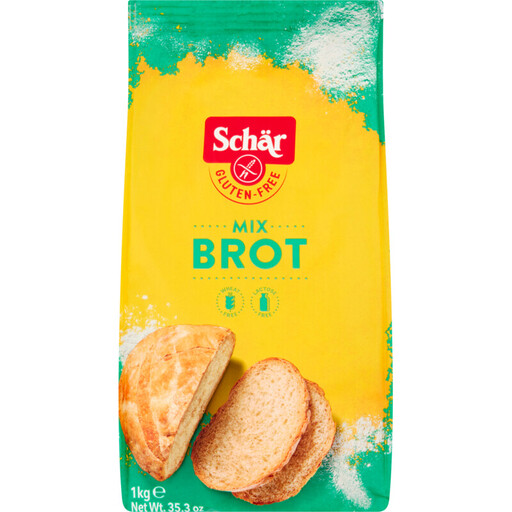
Schär Mix B gluten-free bread mix, 1 kg
For a dinner where you have time to bake your own gluten-free bread.
The pack contains 1 kg of bread mix. According to the product description, you can knead the mix by hand or use a bread maker.
The product information lists soya. If you have additional allergies or questions about iodised salt, check the latest packaging. The mix isn’t ready to serve straight away.
View on Joybuy
Frequently asked questions
When can bread be labelled ‘gluten free’?
Under Commission Implementing Regulation (EU) No 828/2014, food sold to consumers can be labelled ‘gluten free’ if it contains no more than 20 mg of gluten per kg. If you’re hosting dinner for someone with coeliac disease, don’t rely on terms such as ‘wheat free’ alone.
Can I serve gluten-free bread alongside ordinary bread?
Yes, as long as you make sure the gluten-free bread doesn’t come into contact with crumbs from ordinary bread. The Netherlands Nutrition Centre notes that even a stray crumb can cause symptoms for someone with coeliac disease, so use clean, separate kitchen and serving utensils.
Does gluten-free white bread always contain iodised salt?
No, you can’t assume that for every product. Albert Heijn and Jumbo list iodised salt for the gluten-free white breads discussed here. If this matters to your choice, check the ingredients list on the bread you buy.
Which other allergens should I check for?
It depends on the product and your guest’s allergies. According to Jumbo, the Jumbo bread discussed here contains soya and may contain egg, milk and nuts. The Odenwald Bakery rolls contain soya. Always read the allergen information on the packaging you buy.
When should I defrost Odenwald Bakery frozen rolls?
According to Jumbo’s product information, start defrosting them at room temperature three hours before serving. Don’t refreeze the rolls afterwards. The same information says they can be kept for up to two days after defrosting.


