If you have coeliac disease, first choose bread that is clearly labelled gluten-free or carries the Crossed Grain symbol; ordinary white bread without this label is not an equivalent alternative. Then check how much ready-to-eat bread you get, whether you need to bake it, and which allergens are listed on the packaging. Check separately whether it contains iodised salt: according to the Voedingscentrum, bakers are not required to use baker’s salt.
Who is this choice relevant to?
People buying for someone with coeliac disease
A clear gluten-free label matters, as does avoiding contact with crumbs from ordinary bread. The Dutch Coeliac Society points out that cross-contamination can also have consequences for people with coeliac disease.
People who regularly buy bread in bulk
If you buy bread to last several days, check the pack size and shelf life, and make sure you know whether the bread is ready to eat or still needs preparing.
People who compare labels too
As well as the gluten-free label, you may want to consider fibre, salt and other allergens. If you want to know whether iodised salt has been used, check the label separately.
What should you look for when choosing?
If the bread is for someone with coeliac disease, start by checking that it is labelled gluten-free. Then compare the product type and pack size; don’t assess a bread mix as if it were ready-to-eat bread.
| What to look for | What to check when buying | Who it matters to |
|---|
| Gluten-free and protected from cross-contamination |
Look for the gluten-free label or the Crossed Grain symbol. At home, keep the bread separate from crumbs from ordinary bread. |
If I’m buying for someone with coeliac disease, I want to be able to check the gluten-free label and store the bread without it coming into contact with ordinary bread crumbs. For around 42% of consumers, this suitability comes first. |
| Pack size and product type |
Check the pack weight and whether the bread is ready to eat or needs baking. |
For my weekly shop, I want to know how much ready-to-eat bread I’ll get and whether baking it myself will take time and require extra ingredients. Around 33% of consumers give this practical quantity top priority. |
| Nutrition information and allergens |
Compare fibre and salt per 100 g; check the allergens and whether iodised salt is listed in the ingredients. |
When bread is a regular part of my meals, I also want to take the nutrition information and other allergens into account. For around 25% of consumers, checking the label is the first priority. |
Common mistakes
-
Mistaking ordinary white bread for a gluten-free alternative
For people with coeliac disease, it’s not just the ingredients in the bread that matter: the Dutch Coeliac Society says that contact with crumbs containing gluten can also have consequences.
Check for the gluten-free label or the Crossed Grain symbol, and use clean utensils and surfaces at home that haven’t come into contact with ordinary bread.
-
Comparing a bread mix with ready-to-eat bread
A pack of bread mix isn’t bread yet. The final amount also depends on how you prepare it and whether you need to add extra ingredients.
Check the instructions and compare the yield after preparation with the amount of bread you need.
Baking it yourself also takes time and requires an oven or bread maker.
-
Assuming all bread contains iodised salt
According to the Voedingscentrum, bakers are not required to use baker’s salt. So you can’t assume that gluten-free bread contains it just because of the product category.
For packaged bread, look for iodised salt or baker’s salt in the ingredients list. For unpackaged bread, ask which type of salt has been used.
-
Confusing gluten-free bread rolls with gluten-free white bread
A listing for gluten-free bread rolls doesn’t mean the same shop also sells the white bread you’re looking for. The range may also vary by shop and over time.
Check the specific product before you set off to shop, and read the label when you buy it.
Brands and supermarket chains to help you compare
A gluten-free category or a bread listing can help you find what you’re looking for, but always check the label on the specific product. Bread rolls, packaged bread and bread mix are different options.
Albert Heijn
Albert Heijn has an online gluten-free category featuring white rolls and other types of bread.
- The category is a good place to start when looking for a specific product.
- Check whether the product you choose is white bread or another type of bread, and read its label.
Jumbo Lekker Vrij
Jumbo lists a 500 g packaged gluten-free white loaf in this range.
- According to Jumbo, this product carries the crossed-grain symbol and contains iodised salt.
- The product contains soya and may contain egg, milk and nuts; check the latest packaging if you have any other allergies.
PLUS
PLUS’s gluten-free category includes PLUS Wit glutenvrij and gluten-free bread rolls.
- The product names distinguish between white bread and bread rolls.
- For PLUS Wit glutenvrij, check the pack size, ingredients and allergens of the specific product.
Schär
Schär appears in supermarket listings for packaged gluten-free bread, including Meesterbakker classic.
- The PLUS product description for Meesterbakker classic mentions millet, quinoa and sourdough, among other ingredients.
- This bread contains soya and may contain lupin and mustard. Check the allergens for each product, even within the same brand.
Dirk
Dirk’s search results list Schär Meesterbackers classic and vital as gluten-free bread products.
- The individual product names make it easier to find the version you’re looking for.
- Check the packaging of your chosen version for ingredients and allergens.
ALDI
ALDI lists gluten-free bread rolls in its bakery range.
- Bread rolls may suit you if you don’t necessarily need a whole white loaf.
- Check which product is available in your shop and whether its label meets your requirements.
Lidl
Lidl provides information about gluten-free products alongside its regular bread range.
- The product information can help you search for gluten-free options.
- Don’t assume regular white bread is gluten-free; check the current range for each product.
A bread mix for home baking at Joybuy
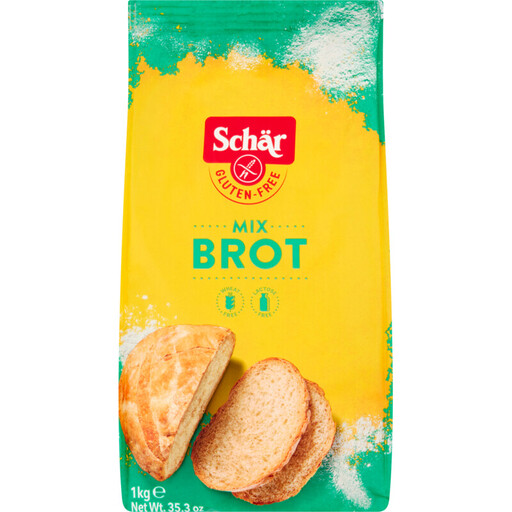
This is a gluten-free mix for anyone who wants to bake white bread at home. It isn’t ready to eat, so take the preparation time into account when making your choice.
 No image available
Schär Mix B gluten-free bread mix, 1 kg
For anyone who wants to bake gluten-free white bread at home. The pack contains 1 kg of bread mix, not ready-made bread; check the instructions and the latest ingredients and allergen information before preparing it.
View at Joybuy
Frequently asked questions
How can you identify gluten-free bread for someone with coeliac disease?
Look for the gluten-free label or the Crossed Grain symbol on the product. According to the Dutch Coeliac Society, a product can be labelled gluten-free if it contains less than 20 mg of gluten per kg. You should also avoid contact with crumbs from ordinary bread at home.
Is gluten-free white bread also free from other allergens?
No, the gluten-free label doesn’t tell you that. According to Jumbo, Jumbo Lekker Vrij van Gluten Wit contains soya and may contain egg, milk and nuts. Check the latest allergen information for each version.
Does bread in the Netherlands always contain iodised baker’s salt?
No. According to the Voedingscentrum, bakers are not required to use baker’s salt. Check the ingredients list for packaged bread, or ask which salt has been used if the bread is unpackaged.
Can you use the same toaster for gluten-free and ordinary bread?
Crumbs from ordinary bread can cause cross-contamination. If you’re preparing food for someone with coeliac disease, use a clean method that prevents the gluten-free bread from coming into contact with those crumbs.
Can you compare a bread mix directly with packaged bread?
Not by pack weight alone: a bread mix still needs to be prepared and may require additional ingredients. Check the instructions and how much bread the recipe makes.


