
People with coeliac disease looking for toasts to serve with drinks
You’re looking for toasts or crackers to serve with drinks and want to check the gluten-free claim and any cross-contamination warnings before buying.


If you have coeliac disease and are looking for toasts to serve with drinks, check that the packaging clearly says ‘gluten-free’, then review the ingredients and warnings relevant to your allergies. Gluten-free crackers can be an alternative to canapé toasts, but the varieties reviewed differ in their allergens: Gluten Free Bakery Holland’s toasts contain egg and gluten-free oats, while the Schär Crackers reviewed contain soya.
You’re looking for toasts or crackers to serve with drinks and want to check the gluten-free claim and any cross-contamination warnings before buying.
As well as gluten, you may need to avoid ingredients such as egg, soya, sesame or nuts. According to Jumbo’s product information, the allergens listed differ between the toasts and crackers reviewed.
If you often eat toasts or crackers instead of bread, you’ll also want to compare the nutritional information. According to the Voedingscentrum, baker’s salt contains added iodine, but bakers aren’t required to use it.
When choosing gluten-free toasts to serve with drinks, start by checking the labelling and the allergens you need to avoid. Then compare the shape and, if you’ll be eating them regularly instead of bread, the nutritional information.
| What to consider | What to check before buying | Who it matters to |
|---|---|---|
| Gluten-free claim and cross-contamination | Look for a clear gluten-free claim and read any warnings about cereals containing gluten. | When choosing something to serve with drinks and I have coeliac disease, I want to know what the label says about gluten and cross-contamination. For around 36% of consumers, this reassurance comes first. |
| Additional allergens | Compare the ingredients and ‘may contain’ warnings with the allergens you need to avoid. | Even a gluten-free product may contain ingredients I need to avoid if I have another allergy. Around 29% of consumers prioritise this second allergen check. |
| Regular use as a bread substitute | Compare fibre and salt on the same basis, such as per 100 g, and check whether baker’s salt is listed. | If I regularly replace bread with toasts or crackers, I want to know more than just whether the product is gluten-free. For around 21% of consumers, using them as a regular bread substitute is the main consideration. |
| Shape and how they’ll be served | Check the size, portioning and ingredients of the toppings you plan to use. | When I’m serving drinks and nibbles, I look for a toast or cracker that works with my chosen topping. Around 14% of consumers give this intended use the highest priority. |
A wheat-free claim alone doesn’t mean that a toast meets the requirements for being labelled gluten-free.
If you have coeliac disease, look for a clear gluten-free claim and read any warnings about possible cross-contamination.
According to Jumbo, the Gluten Free Bakery Holland Toastjes Italiaans Gekruid reviewed contain egg and oats, and may contain nuts, sesame and other allergens. The Schär Crackers reviewed contain soya.
For each variety, check the full ingredients list and ‘may contain’ information on the current packaging.
The Dutch Coeliac Association points out that oats can become contaminated with cereals containing gluten, and that not everyone with coeliac disease can tolerate pure oats.
Choose an oat product labelled gluten-free. If you have symptoms or are unsure, ask your doctor or specialist dietitian for advice.
According to the Voedingscentrum, baker’s salt contains added iodine, but its use isn’t compulsory. So a gluten-free bread substitute won’t necessarily provide the same contribution as bread made with baker’s salt.
If you eat these products regularly, check the ingredients and discuss any questions about a restricted diet with a dietitian or doctor.
A brand to consider if you’re specifically looking for small gluten-free toasts.
The Crackers reviewed are a gluten-free cracker option to compare with canapé toasts.
A range where you can explore different types of gluten-free bread substitutes.
This selection includes rice toasts to consider as an alternative to canapé toasts. If you have coeliac disease or additional allergies, check the current packaging before deciding.
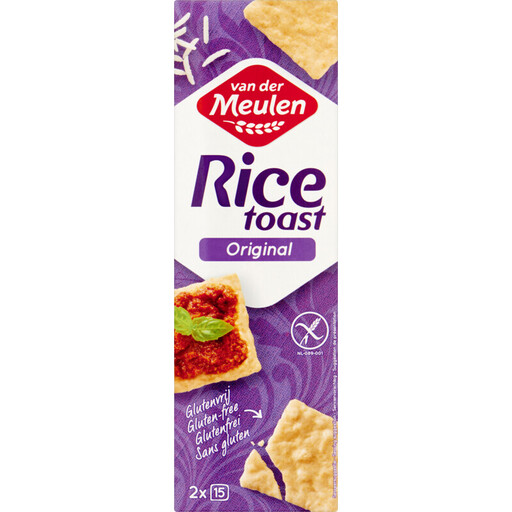 Image unavailable
Rice toasts for anyone looking for an alternative to canapé toasts. If you have coeliac disease, check the gluten-free claim and warnings on the current packaging.
Pack size: 65 g. If you have a soya or sesame allergy, also check the ingredients and ‘may contain’ warnings.
No. According to the Dutch Coeliac Association, ‘gluten-free’ means less than 20 mg of gluten per kilogram of product, not an absolute zero. When choosing toasts, also read any other labelling that’s relevant to you.
Not on the basis of a wheat-free claim alone. Look for a clear gluten-free claim and read the packaging for warnings about possible cross-contamination.
Check that the product is labelled gluten-free and that oats are suitable for you. The Dutch Coeliac Association says that most people with coeliac disease can tolerate pure, uncontaminated oats, but a small number also react to them. If you have symptoms or are unsure, speak to your doctor or specialist dietitian.
Use clean hands, a clean knife and a clean work surface when preparing gluten-free toasts. According to the Dutch Coeliac Association, crumbs from bread containing gluten can cause cross-contamination.
No. According to the Voedingscentrum, baker’s salt contains added iodine, but bakers aren’t required to use it. If you regularly use these products instead of bread, check the ingredients or ask the baker which salt was used.