If you have coeliac disease, start by choosing a product clearly labelled gluten-free, and avoid contact with crumbs from ordinary bread at home. A gluten-free toast is a good shape for a small savoury snack; crackers and crispbread are alternatives if you’d prefer a different base for toppings. Compare the label, allergens and salt per 100 g.
Who are these snacks suitable for?
People with coeliac disease who take care to avoid crumbs
Choosing a gluten-free snack also means preparing it on a clean surface. The Dutch Coeliac Association points out that crumbs from ordinary bread can get onto gluten-free food via a shared chopping board.
Fans of a small savoury toast
If you fancy something crunchy with toppings later in the evening, you may prefer the shape of a small toast to a larger cracker or a piece of crispbread. Even for a small portion, check the ingredients and allergens.
Shoppers comparing nutritional values
If you regularly choose a cracker-style snack, fibre, salt and how much you eat may all be worth considering. Compare the nutritional information per 100 g, and also think about the portion you actually have.
What should you look for when choosing?
If you have coeliac disease, start with a gluten-free label and prepare your snack without contact with crumbs. Then choose between toast, crackers and crispbread based on the shape you prefer, your toppings and the nutritional information.
| What to consider |
What to look for |
Who it matters to |
| Choosing and preparing gluten-free food |
Look for an explicit gluten-free label or the Crossed Grain symbol. Use clean utensils and surfaces at home, and choose toppings without bread crumbs. |
If I have coeliac disease, I don’t want my snack coming into contact with a shared board or a jar of spread containing crumbs from ordinary bread. For around 33% of consumers, safe food choices and preparation come first. |
| Shape and portion |
Consider whether you want small toasts, larger crackers or crispbread, and check the weight per pack or piece. |
For a late-night snack, I want to be able to choose between a small savoury toast and a larger base for toppings. Around 27% of consumers give this practical snack format top priority. |
| Fibre and nutritional information |
Compare fibre per 100 g and consider that figure alongside the other nutritional information and your portion size. |
If I eat a cracker-style snack regularly, I want to be able to compare nutritional values rather than relying on the gluten-free label alone. Fibre and nutritional information matter most to around 20% of consumers. |
| Salt and bread alternatives |
Compare salt per 100 g. If these products often replace bread, check whether baker’s salt is listed on the label. |
When toast or crackers often replace bread for me, I want to check both the salt content and whether baker’s salt is listed. This is the main consideration for around 20% of consumers. |
Common mistakes
-
Assuming wheat-free means gluten-free
A statement that a product contains no wheat is not the same as a clear gluten-free label for someone with coeliac disease.
Follow the Netherlands Nutrition Centre’s advice: look for ‘gluten-free’ or the Crossed Grain symbol on the packaging, and read the allergen information too.
-
Preparing gluten-free toast among crumbs from ordinary bread
The Dutch Coeliac Association says that crumbs can get onto gluten-free food, for example via a shared chopping board.
Use a clean board and cutlery. Keep toppings separate if there’s a risk of crumbs from ordinary bread getting into them.
-
Choosing based on snack shape alone
A small toast isn’t automatically comparable to a cracker when it comes to salt. Jumbo lists 6.6 g of salt per 100 g for Gluten Free Bakery Holland Toastjes Italiaans Gekruid.
Compare the salt per 100 g on the packaging, and bear in mind how many pieces you eat.
-
Assuming gluten-free toast contains baker’s salt
According to the Netherlands Nutrition Centre, baker’s salt is a source of iodine, but bread does not have to be made with it. The words ‘gluten-free’ don’t tell you whether a product contains baker’s salt.
Check the ingredients list if gluten-free bread-style products regularly replace ordinary bread in your diet.
Brands and product ranges compared
Gluten Free Bakery Holland
Jumbo lists Toastjes Italiaans Gekruid as a gluten-free product in a small, savoury toast format.
- These toasts are shaped like nibbles to serve with drinks and can be used as a base for savoury toppings.
- Jumbo lists 6.6 g of salt per 100 g. Check the current packaging for ingredients and allergens too.
Wasa
Albert Heijn describes Wasa Glutenvrij en lactosevrij classic as crispbread in individually portioned packs.
- Its larger, crunchy shape offers a different base for toppings from small toasts.
- Crispbread isn’t shaped like Melba toast; check the current packaging for allergens that are relevant to you.
Schär
Albert Heijn lists Schär Crackers as gluten-free, wheat-free and lactose-free crackers.
- A cracker can make a good base if you want to choose from a range of toppings.
- It’s a different shape from a small toast to serve with drinks; check the current allergen information.
AH Glutenvrij
Albert Heijn offers a range of gluten-free crackers and bread-style products under this line.
- You can compare different snack formats within the product range.
- Ingredients, allergens and nutritional values vary by product. Albert Heijn recommends checking the current packaging.
Toast-style snacks at Joybuy
These products offer rice toast or a crunchy wafer as a possible option for a late-night snack. They aren’t all the same type of toast, so if you have coeliac disease, always check the gluten-free label and allergens on the current packaging before eating them.
 No image available
Van Der Meulen Rice Toast Natural, 65 g
Rice toast is a toast-style option for a small snack. The pack contains 65 g; check the current gluten-free label and allergen information before choosing it for someone with coeliac disease.
View at Joybuy
 No image available
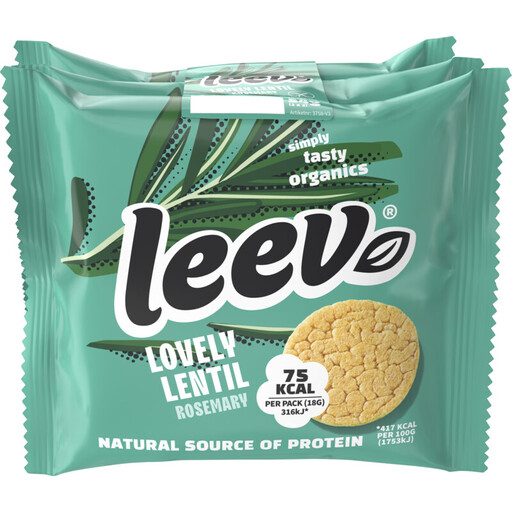
Leev Organic Rosemary Lentil Wafers, 54 g
A lentil wafer with rosemary makes a savoury, crunchy snack, but it isn’t shaped like toast. The pack contains 54 g; if you have coeliac disease, check the gluten-free label and allergens on the packaging.
View at Joybuy
 No image available
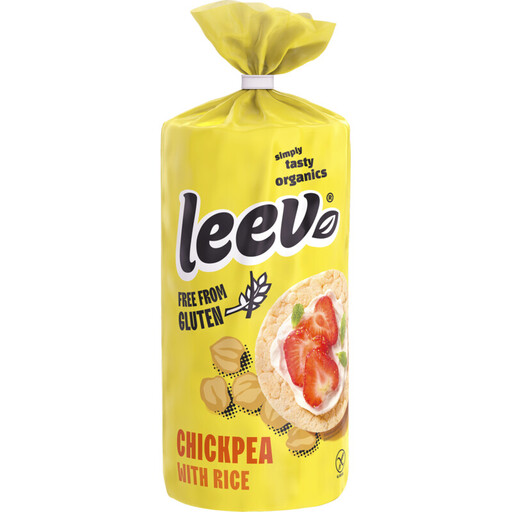
Leev BIO Chickpea Waffles, 100 g
These chickpea wafers are another crunchy base to consider as a snack, rather than a small toast to serve with drinks. The pack contains 100 g; check the current gluten-free label and allergen information.
View at Joybuy
Frequently asked questions
Can I eat ordinary Melba toast if I have coeliac disease?
Don’t assume ordinary Melba toast is gluten-free. Choose a pack labelled ‘gluten-free’ or bearing the Crossed Grain symbol, as recommended by the Netherlands Nutrition Centre.
Is a gluten-free pack enough if I prepare the snack next to ordinary bread?
No. You also need to avoid contact with bread crumbs while preparing it. The Dutch Coeliac Association identifies a shared chopping board as one possible way for cross-contamination to occur, so use clean utensils and surfaces and keep toppings free from crumbs.
Does gluten-free toast have to contain baker’s salt?
No, you can’t tell that from the product name. According to the Netherlands Nutrition Centre, baker’s salt isn’t compulsory in bread; check the label to see whether it’s listed for that product.
How should I store opened gluten-free toast or crackers?
Follow the storage instructions on the packaging and protect the contents from crumbs from ordinary bread. Keep an opened pack separate if bread containing gluten is also used in the same kitchen.


