Who is this choice relevant for?

Buying for someone with coeliac disease

You’re looking for a product clearly labelled gluten-free, either for yourself or a guest. According to the Netherlands Nutrition Centre, even a crumb of bread can cause symptoms for someone with coeliac disease. So it’s also important to consider how you prepare and serve the toast.

Soup lover looking for a bread alternative

You want something crunchy to go with your pea soup and are choosing between small topped bites, crackers and larger flatbread. The right shape depends on how you plan to serve it.

Shopper comparing food labels

You want to get the soup and everything to go with it in one shop. As well as checking that it’s labelled gluten-free, you’ll want to look at allergens, salt and fibre. If you often replace ordinary bread, check whether baker’s salt has been used too.

What should you look for when choosing?

If you have coeliac disease, first check that the product is labelled gluten-free and take steps to prevent cross-contamination. Then choose a shape that suits the way you plan to serve it, and check the current packaging.

What to consider What to check when buying Who is this most important for?
Gluten-free labelling and serving separately Look for the gluten-free label on the current packaging. Use clean utensils and keep the product away from ordinary bread. If I’m serving someone with coeliac disease, I also want to prevent contact with bread crumbs after buying the product. This check comes first for around 39% of consumers.
Shape and suitability for toppings Check the size and portion: mini toasts, crackers and larger flatbread aren’t all designed for the same way of serving. I want to know whether I can make topped bites or serve something larger alongside the soup. Around 23% of consumers give the serving format top priority.
Planning your shop Check the current range and availability at the shop where you do your food shopping. If I’m planning soup for a particular day, I want to be able to pick up the format I’ve chosen along with the rest of my shopping. This practical consideration matters most to around 23% of consumers.
Nutritional information Compare salt and fibre per 100 g and per portion. If you’re buying bread, check the label to see whether baker’s salt has been used. If I often replace ordinary bread, I want to understand how my choice fits in with the rest of what I eat. This nutritional consideration comes first for around 15% of consumers.

Common mistakes

  • Assuming the name of a type of toast means it’s gluten-free

    Melba toast and party toast describe the type of product. Under Commission Implementing Regulation (EU) No 828/2014, a product can only be labelled gluten-free if the finished product contains no more than 20 mg/kg of gluten. A name such as toast, or a claim that it’s wheat-free, doesn’t mean the same thing.

    Before buying a product for someone with coeliac disease, check the current packaging for a gluten-free label.

  • Forgetting about cross-contamination after purchase

    A gluten-free product can come into contact with crumbs from ordinary bread while you’re adding toppings. The Netherlands Nutrition Centre points out that even a crumb of bread can cause symptoms for someone with coeliac disease.

    Use a clean plate, knife and chopping board, and choose toppings that haven’t been in contact with ordinary bread.

  • Assuming all crunchy alternatives are the same

    Their shape and nutritional information vary. Jumbo lists 6.6 g of salt per 100 g for Gluten Free Bakery Holland Toastjes Italiaans Gekruid, while the Schär Crackers reviewed contain 1.6 g of salt per 100 g. Albert Heijn lists 7.8 g of fibre per 100 g for Nairn's Original flatbread glutenfree. None of these figures tells you everything about the meal on its own.

    First choose a format that suits the occasion, then compare the nutritional information per 100 g and per portion on the current packaging.

  • Assuming the amount of salt tells you whether it contains iodine

    Baker’s salt is iodised salt used in bread and other baked goods. According to the Netherlands Nutrition Centre, using it when baking bread isn’t compulsory. So you can’t tell whether baker’s salt has been used just from the type of product or its salt content.

    Check the label if you want to know whether a bread product contains baker’s salt. If you follow a restricted diet over a long period, speak to a specialist dietitian about your overall iodine intake.

Brands and retailers to consider

Gluten Free Bakery Holland

Jumbo sells this brand’s Toastjes Italiaans Gekruid as small gluten-free toasts for topped bites.

  • Gluten Free Bakery Holland says that its baked goods are made in a completely gluten-free bakery.
  • Jumbo lists 6.6 g of salt per 100 g for the toasts. Before buying, check the current packaging for ingredients and allergens too.

Schär

The gluten-free crackers reviewed are a thin option for adding toppings, sold in six 35 g packs, but they aren’t classic mini toasts.

  • Having them in smaller packs can be handy if you don’t want to open everything at once.
  • The version reviewed contains soya and has 1.6 g of salt per 100 g. If you have any other allergies, check the current packaging.

Nairn's

Nairn's Original flatbread glutenfree is a larger option if you’re looking for something to have with pea soup instead of a slice of bread, rather than a mini toast.

  • Albert Heijn lists 76% gluten-free wholegrain oats and 7.8 g of fibre per 100 g for this product.
  • According to the product information, it isn’t suitable if you’re allergic to avenin, and may contain milk.

Jumbo

Jumbo’s toast range includes both Gluten Free Bakery Holland Toastjes Italiaans Gekruid and Schär Crackers Glutenvrij.

  • You can compare two products with different shapes, both labelled gluten-free.
  • Check the current packaging and availability at your local shop before planning your soup meal.

Albert Heijn

Albert Heijn lists Nairn's Original flatbread glutenfree as a larger crunchy option to have with soup.

  • The product information includes details about oats, fibre and allergens to be aware of.
  • This flatbread is a different shape from mini toasts, so check that it suits the way you plan to serve it.

A crunchy option at Joybuy

These lentil wafers offer a different crunchy alternative to the mini toasts, crackers and flatbreads above. If you’re buying for someone with coeliac disease, check the current packaging for a gluten-free label. If you’re planning to add toppings, check the size as well.
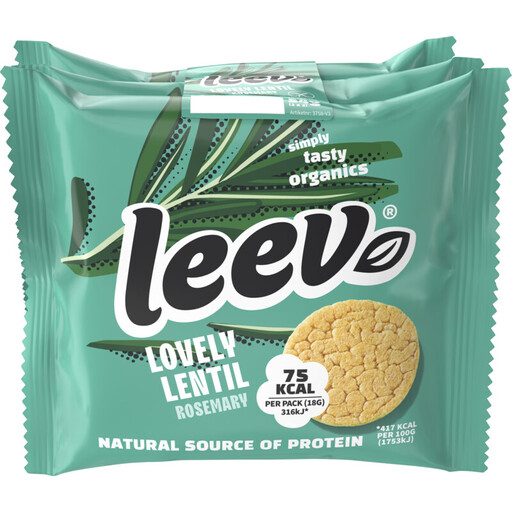
Leev Organic Rosemary Lentil Wafers, 54 g pack

Leev Organic Rosemary Lentil Wafers 54 g

A good option if you’re looking for something crunchy to have with your soup, although lentil wafers aren’t mini toasts. The pack contains 54 g. Check the size if you’re planning to add toppings, and if you have any other allergies, read the current ingredients information.

View at Joybuy

Frequently asked questions

When can I choose toast for someone with coeliac disease?

Choose a product whose current packaging explicitly says it’s gluten-free. Under Commission Implementing Regulation (EU) No 828/2014, a product can only carry this label if the finished product contains no more than 20 mg/kg of gluten. The words toast, Melba toast or wheat-free don’t confirm this on their own.

Can I add toppings to gluten-free toast on the same board as ordinary bread?

If you have coeliac disease, make sure the gluten-free toast doesn’t come into contact with crumbs from ordinary bread. The Netherlands Nutrition Centre points out that even a crumb of bread can cause symptoms. Use a clean board and utensils, and toppings that haven’t come into contact with ordinary bread.

Does gluten-free toast automatically provide iodine from baker’s salt?

No. A gluten-free label or the salt content doesn’t tell you whether baker’s salt has been used. The Netherlands Nutrition Centre says that using baker’s salt when baking isn’t compulsory. Check the label and, if you regularly change how much bread you eat, consider your overall diet.

Is ordinary party toast or Melba toast suitable if I need to eat gluten-free?

Not unless the product you’re buying is explicitly labelled gluten-free. Party toast and Melba toast describe the shape, not the gluten content. Always check the current packaging, even if you’re already familiar with the brand or retailer.
