
Holiday-home guest with coeliac disease
Needs a verifiable gluten-free claim and wants to prevent toast coming into contact with bread crumbs in a shared kitchen. The Dutch Coeliac Society highlights the importance of preventing cross-contamination.


If you’re buying toast for someone with coeliac disease, choose a product whose current packaging explicitly says ‘gluten-free’. Under EU rules, this claim can only be used if the food, as sold to consumers, contains no more than 20 mg/kg of gluten. In a shared holiday kitchen, you’ll also need to keep it separate from ordinary bread crumbs, utensils and spreads, as advised by the Dutch Coeliac Society.
Needs a verifiable gluten-free claim and wants to prevent toast coming into contact with bread crumbs in a shared kitchen. The Dutch Coeliac Society highlights the importance of preventing cross-contamination.
Is looking for small pieces of toast that can be served separately from ordinary bread products. Shared dips, knives and crumbs also need attention.
Wants to bring a suitable crunchy base in advance and can choose gluten-free crackers or crispbread if toast isn’t essential.
First check for a gluten-free claim and think about how you’ll keep the product separate. Then choose a shape that suits the meal and check the packaging for any other allergens.
| What to consider | What to check when buying | Especially important for |
|---|---|---|
| Gluten-free claim and keeping it separate | Look for an explicit gluten-free claim on the current packaging. If possible, bring an unopened pack and use clean or separate utensils. | In a kitchen where ordinary bread is also kept, I want to be able to see that the product is gluten-free and serve it without contact with crumbs; this reassurance is the top priority for around 39% of consumers. |
| Shape of the toast | Check whether the size works for breakfast, toppings or nibbles; a cracker or crispbread won’t necessarily serve the same purpose as a small piece of toast. | For a sharing platter, I want small pieces that go with the planned toppings. Around 23% of consumers put the shape of the toast first. |
| Supplies for your stay | Check your chosen product and local shop availability before you leave. If needed, bring a suitable gluten-free cracker or crispbread as a back-up. | If I can’t visit many shops while I’m there, I don’t want to rely on just one type of toast; planning supplies matters most to around 23% of consumers. |
| Other allergens | As well as the gluten-free claim, read the ingredients, allergens and any ‘may contain’ warnings for your chosen product. | If someone also needs to avoid other ingredients, I don’t want to rely on the words ‘gluten-free’ alone. For around 15% of consumers, these additional label checks come first. |
The product name doesn’t tell you whether it carries a gluten-free claim. Under EU Regulation 828/2014, this claim is linked to a maximum gluten content of 20 mg/kg in the food as sold to consumers.
If you’re buying for someone with coeliac disease, check the current packaging and choose a product explicitly labelled gluten-free.
The Dutch Coeliac Society says cross-contamination can happen through crumbs, work surfaces, utensils and shared spreads.
Keep the toast separate, clean the work surface and use clean or separate utensils, as well as a separate dish for spreads or dips.
A gluten-free claim doesn’t tell you whether other ingredients are present. For Gluten Free Bakery Holland Toastjes Italiaans Gekruid, Jumbo lists egg and oats, among other ingredients, and warns that it may contain traces of nuts and sesame.
Check the ingredients and allergens on the exact pack you’re taking with you, even if you know another flavour from the same brand.
A range page doesn’t tell you whether a particular shop will have the toast you want during your stay.
Check availability before you leave and, if needed, bring a suitable unopened gluten-free cracker or crispbread as a back-up.
Jumbo lists its 100 g Toastjes Italiaans Gekruid as an option if you’re looking for small, savoury seasoned toasts.
Schär describes Zwieback as gluten-free toast in a small cracker format, suitable for sweet or savoury toppings.
Albert Heijn’s AH Glutenvrij range includes crackers and high-fibre crispbread as alternative product formats.
These lentil wafers are worth considering if you don’t specifically need toast. If you’re buying for someone with coeliac disease, the current packaging must explicitly carry a gluten-free claim.
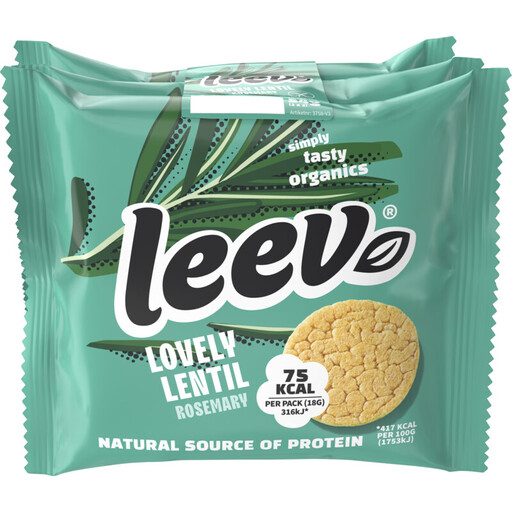 Image unavailable
An option if a lentil wafer works better than toast with your planned toppings or for the occasion. If you’re buying for someone with coeliac disease, check the current packaging for a gluten-free claim and any other allergens.
Pack size according to the product name: 54 g.
Under EU Regulation 828/2014, this claim can only be used if the food, as sold to consumers, contains no more than 20 mg/kg of gluten. If you’re buying for someone with coeliac disease, check the claim on the current packaging; the name ‘toast’ or ‘cracker’ isn’t a substitute for checking.
No. The product must also be kept separate from gluten-containing crumbs during preparation and serving. The Dutch Coeliac Society advises avoiding contact through hands, work surfaces, utensils and opened packs, among other things. Use clean or separate equipment and keep the pack closed for as long as possible.
Only if the current packaging explicitly says ‘gluten-free’. The fact that a product is called Melba toast doesn’t show that it meets the EU requirement for this claim.
This varies by product and variety. For Gluten Free Bakery Holland Toastjes Italiaans Gekruid, Jumbo lists egg and oats, and warns that it may contain traces of nuts and sesame; according to Schär, Zwieback may contain traces of soya. Always read the label on the pack you’re actually using.