
Coffee drinkers who prioritise gluten-free options
You’re looking for something crisp to enjoy with your coffee, so you check the gluten-free claim on the packaging first. Then check for other allergens and warnings about their possible presence.


If you have coeliac disease, first choose a product whose current packaging says ‘gluten-free’. Then choose the shape you’d like to serve with your coffee. The EU regulation on gluten-free labelling sets a limit of 20 mg of gluten per kg of product for this claim. Small toast pieces work well for topped appetisers; if the shape matters less, a cracker or Scrocchi labelled gluten-free may also be suitable. Check for other allergens too.
You’re looking for something crisp to enjoy with your coffee, so you check the gluten-free claim on the packaging first. Then check for other allergens and warnings about their possible presence.
You want to serve small pieces of toast with cheese or another topping. Don’t just look at the shape: check that the product you choose is actually labelled gluten-free.
You care more about having a crisp snack than getting a specific toast shape. A cracker or Scrocchi labelled gluten-free could be an alternative, as long as it works with your chosen topping.
Start by checking the gluten-free claim on the pack. Then compare the shape for your coffee break and read the ingredients if other allergens or a specific dietary need are also a consideration.
| What to consider | What to check when buying | Who it matters to |
|---|---|---|
| Gluten-free claim | Look for ‘gluten-free’ on the current pack; under the EU regulation on gluten-free labelling, the limit for this claim at the point of sale is 20 mg of gluten per kg of product. | If coeliac disease is a factor, I don’t want to rely on the name or shape of a piece of toast. Around 50% of consumers say the gluten-free claim is their top purchasing priority. |
| Shape and suitability for toppings | Compare mini toast with Scrocchi or crackers and see which shape works best with your chosen topping. | If I’m serving topped appetisers with coffee, I want to keep the mini-toast size; for around 30% of consumers, shape comes first when choosing. |
| Ingredients and other allergens | Read the ingredients, allergens and statements about possible presence; if you have a question about iodine, check the product-specific information. | If other ingredients or allergens also limit my choice, I want to know exactly what’s in this product. For around 20% of consumers, this additional check is their top purchasing priority. |
Melba toast, toast cups and crackers describe a shape, not the gluten content. Under the EU regulation on gluten-free labelling, the ‘gluten-free’ claim means no more than 20 mg of gluten per kg of product at the point of sale.
Check the current packaging first, then choose based on shape and flavour.
Jumbo lists egg and oats as allergens in Gluten Free Bakery Holland Toastjes Italiaans Gekruid, along with the possible presence of various nuts and sesame. Gluten-free doesn’t mean free from these ingredients.
Even when a product is labelled gluten-free, read the full allergen information on the pack, especially if you’re buying for someone else.
The Dutch rules on adding iodine through baker’s salt don’t specify the iodine content of every individual gluten-free toast product.
If you have a product-specific question, check the packaging or contact the manufacturer.
A range page doesn’t tell you whether the product you want is in a particular shop when you’re ready to buy.
Check the latest product or store information before making a special trip for one type of toast.
Jumbo lists this brand’s Toastjes Italiaans Gekruid in a 100 g pack: an option if you’re looking for small pieces of toast.
Albert Heijn lists Laurieri Scrocchi zeezout glutenvrij as a crisp alternative when mini toast isn’t essential.
Jumbo lists Schär Crackers Glutenvrij in its toast category.
The supermarket lists products including Laurieri Scrocchi zeezout, which is labelled gluten-free.
The Bolletje Proteïn & Low carb Crackers reviewed aren’t a gluten-free toast option.
These products offer different crisp shapes to enjoy with coffee, rather than mini toast for toppings. If gluten-free is a requirement for you, check the claim and allergen information on the current packaging for each product before choosing.
 Image unavailable
A rice toast to consider if you’d like a different shape from mini toast to enjoy with coffee. The listed pack size is 65 g; check the current pack for the gluten-free claim and information about sesame and soya.
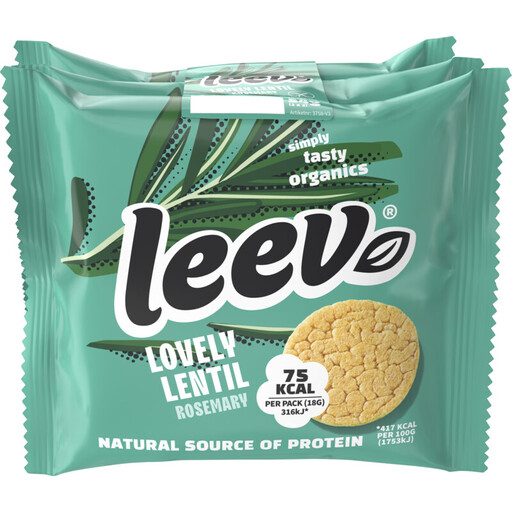 Image unavailable
A rosemary-flavoured lentil wafer for anyone happy to try a savoury shape other than toast. The listed pack size is 54 g; check the current pack for the gluten-free claim, ingredients and allergens, including milk and soya.
You can’t tell from the name Melba toast alone. Check that the current packaging for that specific product says ‘gluten-free’; under the EU regulation on gluten-free labelling, this claim means no more than 20 mg of gluten per kg of product at the point of sale.
No, the gluten-free claim doesn’t guarantee that. Jumbo lists egg and oats as allergens in Gluten Free Bakery Holland Toastjes Italiaans Gekruid, and notes the possible presence of nuts and sesame, among other things. Read the allergen information on the current pack.
You can’t tell from the product category. The Dutch rules on adding iodine through baker’s salt don’t confirm what an individual toast product contains. For a product-specific question, check the packaging or contact the manufacturer.
Use the online information to compare products, but check the packaging before use. Albert Heijn points out that ingredients, nutritional values and allergen information may change.