What should you look for when choosing?
Start by checking that the product is explicitly labelled gluten-free, then serve it without letting it come into contact with regular toast. Next, compare the other allergens, the flavour you want and whether you need to check for baker’s salt.
| What to consider |
What to check when buying |
Who it matters to |
| Serving gluten-free |
Check the gluten-free label on the packaging and use a separate plate and clean serving utensils. |
If someone with coeliac disease is joining us, I want to avoid contact with crumbs from regular toast; this is the top priority for around 42% of consumers. |
| Other allergens |
Read the ingredients and warnings such as ‘may contain’; assess any vegan label separately. |
I also need to consider guests who avoid ingredients such as soya or egg; for around 25% of consumers, these other allergens are the main factor when choosing. |
| Flavour and how it’s served |
Choose between a plain base for toppings and a seasoned product to serve as it is; compare the nutritional information per 100 g if needed. |
I want something I can serve without much preparation, or perhaps a plain base for toppings; for around 25% of consumers, how it’s served is the most important factor. |
| Baker’s salt |
Check the ingredients if the presence of baker’s salt is relevant to your diet. |
If I eat little regular bread, I want to know whether the toast is made with baker’s salt; for around 8% of consumers, this question about iodine takes priority. |
Products for your snack platter
These Joybuy products are rice toast and seasoned lentil wafers for a gluten-free snack. If you have coeliac disease, check the current gluten-free label on the packaging and keep them separate from regular toast when serving.
 Image unavailable
Van Der Meulen Rice Toast Natural, 65 g
Rice toast for anyone looking to add a toast-style product to their snack platter. The product description says it’s gluten-free; check the current packaging if you have coeliac disease.
65 g pack. Check the packaging for information about soya and sesame if these allergens matter to a guest.
View on Joybuy
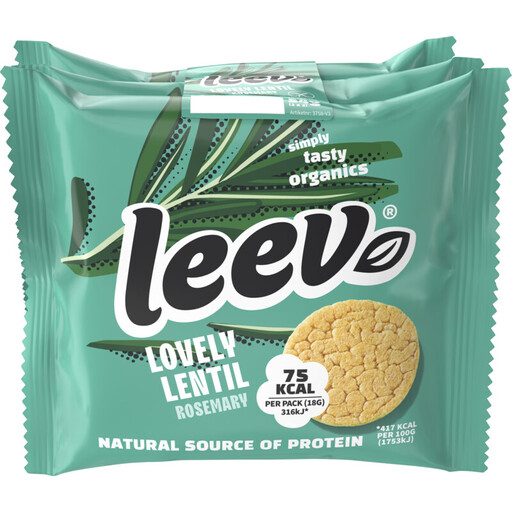 Image unavailable
Leev Organic Rosemary Lentil Wafers, 54 g
Rosemary lentil wafers for anyone looking for a seasoned snack instead of bread toast. The product description says they’re gluten-free; check the current packaging if you have coeliac disease.
54 g pack. Read the ingredients and allergen information carefully if milk or soya matters to a guest.
View on Joybuy
Frequently asked questions
Is regular toast or melba toast suitable for someone with coeliac disease?
Not unless the specific product is explicitly labelled gluten-free. Check the packaging and keep gluten-free toast separate from regular toast and crumbs when serving.
Can toast containing oats be gluten-free?
Yes, if the specific oat-containing product is explicitly labelled gluten-free. Check the other ingredients too: for example, the gluten-free toast from Gluten Free Bakery Holland listed by Jumbo also contains egg.
How should I serve gluten-free toast on a shared snack platter?
Put the gluten-free toast on a separate plate and use clean, separate utensils for dips and toppings. According to the Voedingscentrum, even a stray breadcrumb can cause symptoms for someone with coeliac disease.
Does gluten-free toast contain baker’s salt?
No, the gluten-free label tells you nothing about baker’s salt. The Voedingscentrum says that bread does not have to be made with baker’s salt; check the ingredients if this is relevant to your diet.
Should I check for other information on the label as well as checking it’s gluten-free?
Yes, read the ingredients and allergen information for everyone who’ll be eating. A gluten-free product may contain egg or soya, for example, and a plant-based option isn’t automatically free from other allergens.


