
Tea guest with coeliac disease
Looking for a crunchy base that is clearly labelled gluten-free, and wants to be able to check the ingredients and any cross-contamination warnings.


If you have coeliac disease, choose toast or crackers whose current packaging explicitly states that they are gluten-free; their shape or brand name isn’t enough. Italian-seasoned toast can go well with savoury toppings, while gluten-free crackers are an alternative if the toast shape isn’t important to you. Also check the ingredients, any cross-contamination warnings and whether the flavour works with the toppings you have planned.
Looking for a crunchy base that is clearly labelled gluten-free, and wants to be able to check the ingredients and any cross-contamination warnings.
Wants to choose small toast or crackers that are easy to top and work with sweet or savoury snacks, and can be served separately as a gluten-free option.
Uses toast or crackers for more than just tea, so also considers how these products fit into their wider diet when they regularly go without bread.
If you have coeliac disease, the gluten-free label on the specific product matters more than whether you choose toast or crackers. After that, your toppings and how often you eat the product will determine which features matter.
| What to consider | What to check before buying | Who it matters to |
|---|---|---|
| Gluten-free suitability | Check the current packaging for a gluten-free label; also read the ingredients and any warnings about cereals containing gluten. | If I have coeliac disease, I want to be able to check the specific product before serving it. This clarity is a priority for around 50% of consumers. |
| Shape and flavour | Compare toast with crackers and choose a flavour that works with sweet or savoury toppings. | When putting together a platter of different snacks, I want the crunchy base to go with my toppings. This combination is the deciding factor for around 30% of consumers. |
| Regular use | Compare toast and cracker options by product, and check the nutritional information if they regularly replace bread. | If I often eat these products instead of bread, I want to know how they fit into my diet. This regular use matters most to around 20% of consumers. |
Melba toast, crispbread and regular crackers aren’t suitable for people with coeliac disease just because of their shape. A product’s position on the supermarket shelf doesn’t confirm that it’s gluten-free either.
Check the current packaging of the specific product for a gluten-free label, and read the ingredients and any cross-contamination warnings.
Italian-seasoned toast and cheese crackers have a distinctive savoury flavour. They may not work as well with jam, fruit or other sweet toppings.
Decide what you want to serve in advance. For a mixed platter, also look for a neutral-tasting base that is explicitly labelled gluten-free.
According to the Netherlands Nutrition Centre, bread is an important source of iodine in the Netherlands. Toast and crackers don’t automatically play the same role in your diet.
If you regularly eat very little bread, consider your overall diet and, if needed, discuss any questions about iodine with a specialist dietitian.
A producer of gluten-free bakery products; Jumbo lists its Toastjes Italiaans Gekruid in a 100 g pack.
A brand offering gluten-free crunchy products, including crackers and Snackers.
Albert Heijn’s gluten-free range, which includes cheese crackers.
A point of reference for the classic toast shape in Jumbo’s toast category.
Bolletje’s Bakkers Beschuit Origineel is an example of crispbread, not a confirmed gluten-free toast option.
This rice toast is a toast-style option to enjoy with tea. If you have coeliac disease, check the current packaging for a gluten-free label, ingredients and any cross-contamination warnings before eating it.
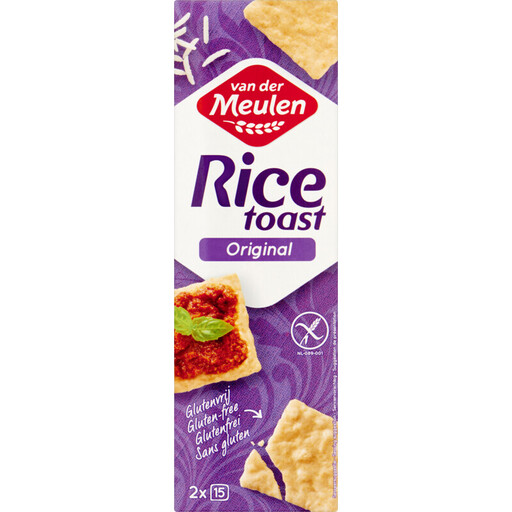 Image unavailable
Rice toast for anyone looking for a toast-style base to enjoy with tea; decide whether the flavour and size will work with your planned toppings.
The product description says this variety is gluten-free. If you have coeliac disease, check the label on the current packaging and read the ingredients and any cross-contamination warnings. Also check the allergen information on the packaging if sesame or soya is relevant to you.
Under Commission Implementing Regulation (EU) No 828/2014, the gluten-free label may be used if the final product contains no more than 20 mg/kg of gluten. If you have coeliac disease, check the current packaging of the toast or crackers you want to buy.
Not automatically: the classic shape and brand name tell you nothing about whether a specific variety is gluten-free. Check that the current packaging explicitly labels the product gluten-free, and read any warnings about cereals containing gluten.
Yes, if the crackers are explicitly labelled gluten-free and their shape and flavour work with your toppings. Schär describes its crackers as suitable for toppings, but a cracker won’t necessarily have the same shape as toast.
According to the Netherlands Nutrition Centre, bread is an important source of iodine in the Netherlands, but you shouldn’t assume that every type of toast or cracker provides the same amount. Bakers aren’t required to use iodised baker’s salt either. If you regularly eat very little bread, you can discuss your overall iodine intake with a specialist dietitian.
Follow the storage instructions on the packaging of the product you choose. For Gluten Free Bakery Holland Toastjes Italiaans Gekruid, Jumbo advises storing it in its sealed packaging in a cool, dry place.