If you’re catering for a guest with coeliac disease, choose toast or crackers whose current packaging explicitly says ‘gluten-free’ or carries the Crossed Grain symbol; ordinary melba toast is not automatically suitable. Then check that the shape works with your toppings, check for other allergens and serve the gluten-free snacks separately from regular toast. Iodine is mainly worth considering if someone also regularly replaces bread at other times.
Who is gluten-free Christmas toast relevant for?
Host with a guest who has coeliac disease
You’re looking for a product clearly labelled gluten-free and want to avoid it coming into contact with crumbs from regular toast when serving. The Netherlands Nutrition Centre identifies the ‘gluten-free’ label and the Crossed Grain symbol as indicators to look for.
Party planner keeping an eye on several allergens
As well as checking that the product is labelled gluten-free, you check the ingredients and allergen information on the packaging you choose. A gluten-free product is not automatically free from allergens such as egg, soya, nuts or sesame.
Someone who often replaces bread
You’re not just looking for something for the Christmas drinks party, but also bread-like alternatives for other occasions. If iodine from bread is a concern for you, don’t assume that every bread alternative contains baker’s salt; according to the Netherlands Nutrition Centre, bakers are not required to use it.
What should you look for when choosing?
Start by checking the gluten-free label on the packaging. Then decide whether the shape will work with your toppings and how you can serve the snacks without them coming into contact with regular toast.
| What to consider |
What to check when buying |
Who it matters to |
| Gluten-free label |
Look for ‘gluten-free’ or the Crossed Grain symbol on the current packaging. According to the European Commission, ‘gluten-free’ may only be stated if the gluten content of the product sold to consumers is no more than 20 mg/kg. |
If someone with coeliac disease is joining us, I don’t want to rely on the name or shape of a piece of toast. Around 50% of consumers prioritise clear evidence that a product is suitable for a gluten-free diet. |
| Serving and other allergens |
Read the allergen information on the packaging you choose and keep gluten-free snacks, serving plates and spreaders separate from regular toast. |
When there’s regular toast on the sharing platter, I want to avoid crumbs and shared spreaders, especially if a guest has another allergy too. This is the main concern for around 30% of consumers. |
| Using it as a bread alternative |
Decide whether you’re looking for party toast or a product to replace bread regularly. If you have questions about iodine, check whether the label mentions baker’s salt or ask the baker. |
If I also replace bread on ordinary days, I want to know how these products fit into my diet. Around 20% of consumers prioritise this broader dietary question. |
Common mistakes when choosing gluten-free toast
-
Assuming a toast shape or the term ‘wheat-free’ means ‘gluten-free’
For a guest with coeliac disease, the shape of a cracker or piece of toast doesn’t tell you whether it’s suitable. The Netherlands Nutrition Centre recommends looking for an explicit gluten-free label or the Crossed Grain symbol.
Check the label on the packaging you’re actually buying rather than relying on the product name alone.
-
Serving gluten-free and regular toast together
According to the Netherlands Nutrition Centre, even bread crumbs can be an issue for people with coeliac disease. So, when preparing and serving it, keep a suitable gluten-free product separate from regular toast.
Use a separate plate and clean spreaders for the gluten-free snacks.
-
Assuming gluten-free also means free from other allergens
Ingredients and allergen warnings vary between products. Jumbo lists soya in Schär Crackers, and egg and oats, as well as possible traces of nuts and sesame among other allergens, in Gluten Free Bakery Holland Toastjes Italiaans Gekruid.
Ask which allergies are relevant to your guests and read the allergen information on each product you choose.
-
Assuming baker’s salt guarantees iodine in every piece of toast
The Netherlands Nutrition Centre says that bakers are not required to use baker’s salt. So you can’t tell whether it’s present just from the shape of the product.
If you regularly replace bread as part of your diet, check the label or ask the baker which salt they use.
Brands to consider
Schär
Jumbo lists Schär Crackers Glutenvrij and Fette Croccanti as gluten-free products in cracker and bread-alternative formats.
- According to Jumbo, both of these products are explicitly labelled gluten-free.
- A cracker isn’t necessarily the same shape as melba toast. Check for other allergens too: Jumbo lists soya in the Crackers and possible soya in Fette Croccanti.
Gluten Free Bakery Holland
Jumbo lists its 100 g Toastjes Italiaans Gekruid as a type of toast for a sharing platter.
- Jumbo’s product information describes a variety with Italian herbs.
- Check that the packaging explicitly states that it’s gluten-free. Jumbo lists egg and oats, as well as possible traces of nuts and sesame among other allergens.
AH Glutenvrij
Albert Heijn’s AH Glutenvrij range includes crackers, crispbread, rolls and party bread.
- These product types give you options if you’re looking for other snacks or bread alternatives as well as toast.
- Check the shape, gluten-free label and current allergen information for each individual product.
Toast and crunchy alternatives on Joybuy
This selection includes rice toast and lentil wafers for a drinks party; the wafers aren’t traditional pieces of toast. If you’re choosing a product because of coeliac disease, check that the packaging states it’s gluten-free before serving it.
 No image available
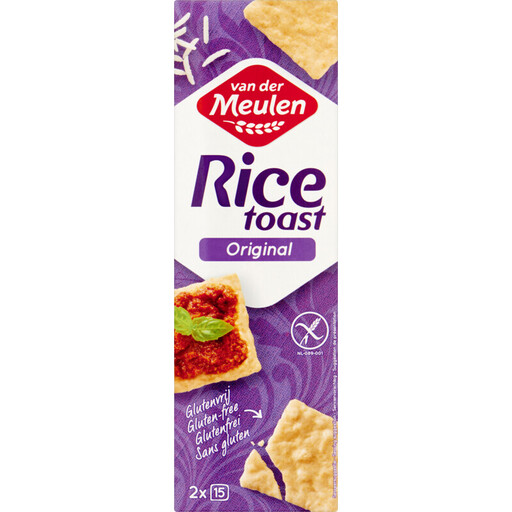
Van Der Meulen Rice Toast Natural 65 g
Rice toast for anyone looking for a toast-shaped option for a sharing platter. If you have coeliac disease, check that the packaging you buy states it’s gluten-free.
If sesame or soya is relevant to a guest, read the current allergen information. Serve the toast separately from snacks containing gluten.
View on Joybuy
 No image available
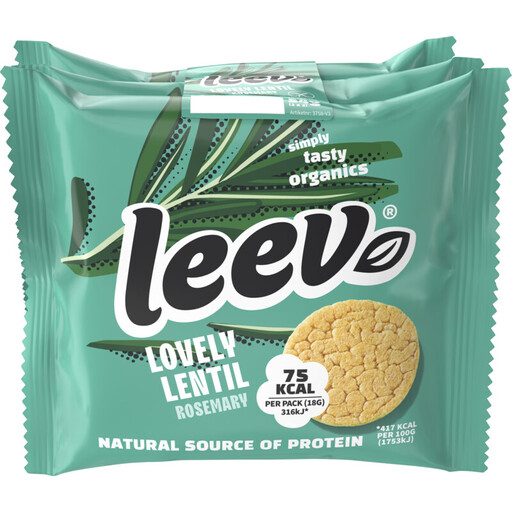
Leev Organic Rosemary Lentil Wafers 54 g
A savoury wafer-shaped alternative if you’re not specifically looking for small pieces of toast. Check that the shape works with the toppings you plan to serve.
If you have coeliac disease, check that the packaging states it’s gluten-free. If anyone has a milk or soya allergy, read the current allergen information too. Serve the wafers separately from regular toast.
View on Joybuy
Frequently asked questions
What does ‘gluten-free’ mean on a pack of toast?
Under Commission Implementing Regulation (EU) No 828/2014, the term ‘gluten-free’ may only be used if the gluten content of the product sold to consumers is no more than 20 mg/kg. The Netherlands Nutrition Centre also identifies the Crossed Grain symbol as an indicator to look for. Always check the packaging of the product you’re buying.
Can I serve regular melba toast if a guest has coeliac disease?
Don’t serve regular melba toast to that guest unless it’s explicitly labelled gluten-free. Choose a suitable alternative with the right label and keep it separate from crumbs from regular toast when preparing and serving it.
How can I serve gluten-free toast alongside regular toast?
Use a separate plate and clean spreaders so that the gluten-free toast doesn’t come into contact with regular toast or bread crumbs. If guests have other food allergies too, check the allergen information on the product you choose.
Does gluten-free toast always contain iodine?
You can’t assume it does: according to the Netherlands Nutrition Centre, bakers aren’t required to use baker’s salt. If you regularly replace bread, it’s worth checking the label or asking the baker which salt they use.


