If you have coeliac disease, ordinary wheat-based tiger bread isn’t suitable: look for bread, rolls or a bread mix with a clear gluten-free label. If you don’t have an oven, packaged bread that’s ready to eat is the practical choice; bake-at-home rolls and homemade bread require suitable equipment and a preparation area free from crumbs containing gluten. Only judge the crust and flavour once you’ve checked the label and preparation instructions.
Who are these options suitable for?
Camper with coeliac disease
You want to keep bread and fillings separate from crumbs containing gluten. In that case, a clear gluten-free label, the packaging and separate preparation matter more than a crust that looks like tiger bread. The Dutch Coeliac Society advises preparing gluten-free food separately.
Camper without an oven
You’re looking for bread you can take with you and eat without baking. The Dutch Coeliac Society lists vacuum-packed gluten-free bread as an option for a campsite meal.
Camper looking for a crisp crust
You’d rather have a warm roll than a slice of bread, and can arrange the extra preparation. Choose only a gluten-free product that you can prepare using clean equipment kept separate from other food.
What should you look for when choosing?
First, choose a product that is clearly labelled gluten-free. Then decide which preparation method is practical at the campsite. A crisp crust should never be a reason to skip checking the label or taking precautions against cross-contamination.
Packaged bread, ready to eat
Choose this: if you want to eat without an oven; the Dutch Coeliac Society lists vacuum-packed gluten-free bread for a campsite meal.
Consider: it won’t give you the distinctive crust of tiger bread; keep it separate from food containing gluten.
Gluten-free bake-at-home rolls
Choose this: if you want a warm roll and can follow the preparation instructions at the campsite.
Consider: you’ll need a suitable heat source and clean preparation equipment kept separate from other food.
Make your own gluten-free bread
Choose this: if you want to choose the ingredients and preparation yourself, and have the equipment you need.
Consider: the ingredients, work surface and equipment must all be suitable to prevent contact with gluten.
| What to consider |
What to check when buying |
Who is this most important for? |
| Gluten-free label |
Check the current packaging and look for an explicit gluten-free label; don’t rely on the words ‘wheat-free’ alone. |
If I have coeliac disease, I don’t want to have to rely on the bread’s name to decide whether it’s suitable. Around 36% of consumers put this reassurance first. |
| Packaging and use without an oven |
Check whether the bread is ready to eat and how to store it after opening, according to the packaging. |
Without a reliable oven, I want to be able to take a meal that needs little preparation. This is the main requirement for around 29% of consumers. |
| Crust and shape |
Choose between sliced bread and bake-at-home rolls; if baking, check what equipment you’ll need. |
I’d like to consider some extra preparation to get the flavour and crust I miss from tiger bread, without getting crumbs containing gluten in my food. Around 21% of consumers put this bread experience first. |
| Iodised salt |
Check the ingredients list for baker’s salt or iodised salt; don’t assume it has been used. |
If I also judge my bread by the type of salt used, I want to be able to identify it on the label. For around 14% of consumers, this is the first additional consideration after gluten-free status. |
Common mistakes
-
Assuming wheat-free means gluten-free
A bread that doesn’t have wheat in its name isn’t necessarily labelled gluten-free. If you have coeliac disease, the product name alone doesn’t tell you whether it’s suitable.
Look for an explicit gluten-free label and check the current ingredients and allergen information on the packaging.
-
Using a shared knife, toaster or butter tub
The Dutch Coeliac Society warns that crumbs can get onto gluten-free food via kitchen utensils and fillings.
Keep bread and fillings separate, and use clean utensils and a clean preparation surface.
-
Assuming a gluten-free roll is the same as tiger bread
Gluten-free white bread, multiseed bread and bake-at-home rolls differ from ordinary tiger bread in shape and preparation.
First choose a type of bread that works at the campsite, then decide whether the flavour and crust suit your preferences.
-
Assuming all bread contains baker’s salt
The Netherlands Nutrition Centre says that bakers aren’t required to use baker’s salt.
Check the label to see whether baker’s salt or iodised salt is listed in the ingredients.
Brands and shops to consider
Albert Heijn
Albert Heijn’s gluten-free range includes several types of packaged bread, including loaves and bake-at-home options.
- This gives you a choice between bread that’s ready to eat and products that need further preparation.
- The range doesn’t guarantee that a product is gluten-free tiger bread; check the label on the specific pack.
PLUS
PLUS lists gluten-free white, brown and multiseed bread among its bread products.
- The different types of bread make it easier to choose between sliced bread and another style.
- PLUS warns that product information can change; check the ingredients and allergens on the pack you buy.
Schär
Schär offers various types of gluten-free bread in the bread ranges at Albert Heijn and PLUS.
- The Schär Meesterbakker Mehrkorn listed by PLUS includes instructions for closing the pack after opening and for storing or freezing the bread.
- These instructions apply to that product; check the packaging for any other Schär variety.
Lidl
Lidl has a page for gluten-free products.
- The product page can be a useful starting point when looking for a suitable type of bread.
- The wider gluten-free range can vary; check what’s currently available before planning your camping meals around it.
Joybuy product for home baking
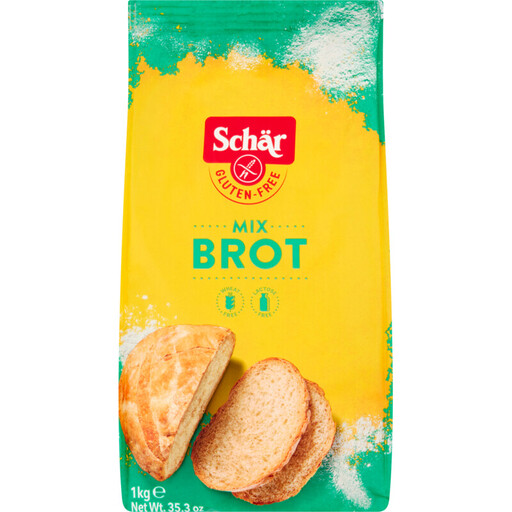
This bread mix is suited to making gluten-free bread yourself. If you’re looking for bread that’s ready to eat, a mix alone won’t be enough.
 No image available
Schär Bread Mix-Mix B gluten-free bread mix, 1 kg
For anyone who wants to make their own gluten-free bread and has suitable facilities for preparing it. This is a 1 kg bread mix, not bread that’s ready to eat; check the preparation instructions and the required heat source on the packaging before you set off.
View at Joybuy
Frequently asked questions
Is ordinary tiger bread gluten-free?
No. Ordinary wheat-based tiger bread isn’t suitable if you have coeliac disease. Choose a product with a clear gluten-free label and check the packaging of the bread you’re taking with you.
What does the gluten-free label on bread mean?
According to the Dutch Coeliac Society, gluten-free means that a product contains less than 20 mg of gluten per kg. Check the label on the current packaging; wheat-free is not the same as gluten-free.
How can I keep gluten-free bread away from crumbs at the campsite?
Store the bread separately and use clean utensils, a clean work surface and fillings that have been kept separate. The Dutch Coeliac Society lists shared chopping boards, knives and butter as possible sources of cross-contamination.
Does bread in the Netherlands always contain iodised baker’s salt?
No. According to the Netherlands Nutrition Centre, bakers aren’t required to use baker’s salt. Check the ingredients list for the specific bread to see whether baker’s salt or iodised salt is listed.


