What should you look for when choosing?
Start by checking the gluten-free claim and allergen information for the specific product. Then choose a serving style that suits your meal, and check that the product is available before you go shopping.
| What to consider |
What to check before buying |
Who should pay particular attention? |
| Gluten-free claim and cross-contamination |
Read the gluten-free claim and allergen information. If you’re buying unpackaged bread, ask about allergens before you buy. Keep utensils and toppings separate when serving. |
If someone with coeliac disease is joining us, I don’t want to choose bread based on its name or crust alone. Around 50% of consumers put these checks on the bread and its preparation first. |
| Serving style |
Choose between a whole loaf to slice and small rolls to serve individually; check the gluten-free claim on either option. |
For dips and small bites, I want to be able to put out individual portions without slicing a whole loaf at the table. This serving style is a priority for around 30% of consumers. |
| Availability |
Check local stock and the packaging when you buy; an online range doesn’t tell you what’s available in your shop. |
If I can only shop shortly before the meal, I want to know which gluten-free bread option I can actually buy. Availability is the main concern for around 20% of consumers. |
Products for this meal
These Joybuy products suit two ways of serving bread with your meal: baking your own with a gluten-free mix, or considering a product in smaller portions. Before planning your meal around the mini baguettes, check the product’s form and preparation instructions on the packaging.
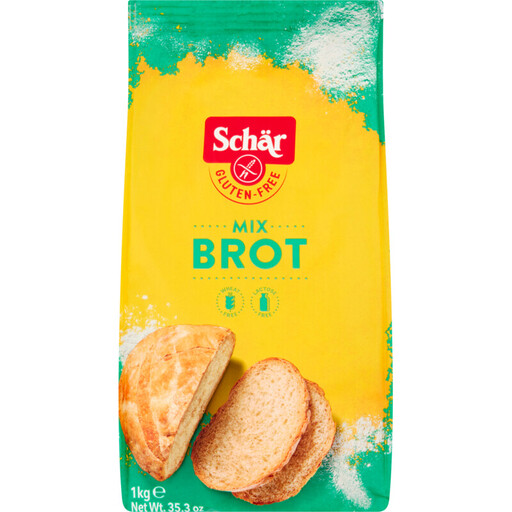 Image unavailable
Schär Bread Mix-Mix B Gluten Free, 1 kg
For anyone who wants to bake their own bread and has time to prepare it separately.
This is a 1 kg gluten-free bread mix, not ready-made bread. According to the product description, you can knead the mix by hand or use a bread machine.
The product information lists soya. Check the current ingredients and allergen information before buying. If you’re catering for someone with coeliac disease, keep the worktop, utensils and finished bread separate from bread containing gluten.
View at Joybuy
 Image unavailable
Gv Baguette Mini, 7 pieces
For anyone considering small portions of bread with bites or dips, as long as the product’s form suits the planned preparation.
The product information describes it as gluten-free, but the descriptions differ on its exact form and preparation. Check the packaging before you buy.
The product information lists soya and possible traces of lupin and mustard. Check the current allergen information, and if you’re catering for someone with coeliac disease, keep preparation and serving separate from ordinary bread.
View at Joybuy
Frequently asked questions
Is ordinary tiger bread gluten-free?
No. You can’t tell from the name or crust. If you’re catering for a guest with coeliac disease, choose a product that is clearly labelled gluten-free and check the current allergen information.
How should I serve gluten-free bread alongside ordinary bread?
Keep the gluten-free bread separate and use its own knives, chopping boards, toaster and serving dishes for toppings or dips. The Voedingscentrum points out that even a stray bread crumb can matter for someone with coeliac disease.
Should I choose a whole loaf or small gluten-free rolls?
A whole loaf is a good choice if you want to slice portions for a bread basket; small rolls work well with individual bites or dips. In either case, check that the specific product is labelled gluten-free.
Should I check whether gluten-free bread contains iodised salt?
Check the ingredients list on the specific loaf if the type of salt used matters to you. Albert Heijn and PLUS product information includes examples with iodised salt, but a gluten-free claim won’t tell you which salt has been used in another loaf.
Why should I check dips and sauces too?
Gluten can also be present in prepared products, so check what you’re serving alongside the bread. Read the labels on dips, marinades, sauces and ready-made bites.


