
Breakfast eaters who strictly avoid gluten
If you need to eat gluten-free because you have coeliac disease, you’ll want to be able to check the packaging and any warnings, even on a rushed morning.


If you need to eat gluten-free because you have coeliac disease, don’t choose bread based on its name or crust. First check whether the packaging says ‘gluten-free’ or carries the Crossed Grain symbol, and read the label again each time you buy it. For a busy working day, pre-packaged gluten-free bread is a convenient option that needs little preparation; a bread mix is best if you can bake in advance. Standard tiger bread made with wheat is not a gluten-free alternative.
If you need to eat gluten-free because you have coeliac disease, you’ll want to be able to check the packaging and any warnings, even on a rushed morning.
You want to buy or prepare bread in advance and check how to store and portion it, so there’s little to do on working days.
You also compare gluten-free options for fibre, other allergens and whether iodised salt is used. According to the Dutch Coeliac Society, gluten-free bread is not always made with baker’s salt.
Start by checking for a gluten-free claim and any warnings. Then compare the nutritional information and choose an option that suits the time you have on a working day.
| What to consider | What should you check? | Who is this most important for? |
|---|---|---|
| Gluten-free status and crumb contact | Look for ‘gluten-free’ or the Crossed Grain symbol on the packaging, and read any warnings about cereals containing gluten. At home, keep the bread away from ordinary bread crumbs. | If I need to avoid gluten strictly, I don’t want to rely on the name of the bread. This check comes first for around 50% of consumers. |
| Nutritional information | Compare the fibre per 100 g, check for other allergens and see whether iodised salt or baker’s salt is listed among the ingredients. | If I often replace ordinary bread, I also want to know how much fibre the gluten-free version contains and which salt has been used. This is the most important factor for around 25% of consumers. |
| Storage and preparation | Check the storage and freezing instructions, and find out whether the bread is ready to eat or needs baking first. | On working days, I want breakfast to be ready without any unexpected baking. Around 25% of consumers give convenience the highest priority. |
‘Tiger bread’ doesn’t mean that a product is gluten-free. For example, Albert Heijn describes one of its tiger breads as brown wheat bread.
Check for a gluten-free claim or the Crossed Grain symbol before choosing based on the crust, colour or taste.
Warnings about the possible presence of cereals containing gluten matter too. According to the Dutch Coeliac Society, such a warning may indicate a genuine risk that the product contains more than 20 mg of gluten per kg.
Read the whole label, and use clean kitchen utensils and a crumb-free work surface at home.
According to the Dutch Coeliac Society, gluten-free bread is not always made with baker’s salt. The Netherlands Nutrition Centre points out that bread contributes to iodine intake in the Netherlands.
Check the fibre per 100 g for the exact product and look for iodised salt or baker’s salt in the ingredients.
A gluten-free bread category can help you find options, but check each pack individually: ingredients and allergen information may vary between products or change over time.
Albert Heijn offers products in its Vrij Van range, among others.
Jumbo has an online gluten-free bread category, featuring its own Lekker Vrij products and other brands.
PLUS lists gluten-free bread from its own brand and other brands online.
Dirk’s online search results include gluten-free Schär breads, among other products.
ALDI lists gluten-free bread options in its bread and bake-at-home range.
Lidl describes a range for special dietary requirements and runs occasional promotions on gluten-free products.
This mix is a good fit if you want to bake gluten-free bread in advance for breakfast on working days. You’ll still need to prepare the bread, so it isn’t a ready-to-eat substitute for a slice of tiger bread.
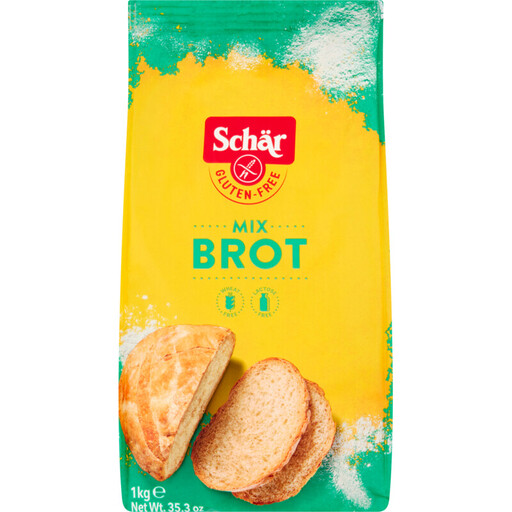 No image available
For anyone who can bake bread before a working day. This is a 1 kg gluten-free bread mix; allow time for preparation and check the current packaging for ingredients, allergens and any warnings about cereals containing gluten.
Not if the bread contains wheat or another cereal containing gluten. Albert Heijn describes one of its tiger breads as brown wheat bread; the name and crust alone don’t tell you whether it’s suitable for a gluten-free diet.
Look for a ‘gluten-free’ claim or the Crossed Grain symbol, and read the whole label every time you buy it. The Dutch Coeliac Society points out that a warning about cereals containing gluten may indicate a genuine risk of more than 20 mg of gluten per kg.
If you have coeliac disease, choose only oat products with the official Crossed Grain symbol, according to the Netherlands Nutrition Centre. Oats can come into contact with gluten during processing, so check the specific product rather than relying on the type of grain alone.
No. According to the Dutch Coeliac Society, gluten-free bread is not always made with baker’s salt. Check the ingredients list for iodised salt or baker’s salt, especially if you often replace ordinary bread.
Store and prepare gluten-free bread separately from ordinary bread, and use a clean knife, work surface and toaster. This helps stop crumbs from ordinary bread getting into your gluten-free breakfast.