What should you look for when choosing?
When choosing for a colleague with coeliac disease, start by checking the biscuit for a gluten-free statement. Then compare the type of biscuit and arrange separate storage before serving: a suitable label won’t prevent contact with crumbs in a shared tin.
| What to consider |
What to check when buying |
Who is this most important for? |
| Gluten-free statement |
Check the current packaging for a gluten-free statement, the ingredients and any warnings about gluten-containing cereals. Under Implementing Regulation (EU) No 828/2014, foods sold to the final consumer can be labelled gluten-free if they contain no more than 20 mg/kg of gluten. |
If a colleague with coeliac disease needs to be able to join in, I want to know what the label says before choosing based on taste. For around 36% of consumers, checking that a product is gluten-free comes first. |
| Separate storage and serving |
Set aside a separate, sealed supply and use clean hands or a dedicated serving utensil. The Dutch Coeliac Association advises storing gluten-free products separately. |
In a shared coffee area, I don’t want a gluten-free biscuit to come into contact with crumbs from ordinary biscuits. Avoiding this kind of contact is the main concern for around 29% of consumers. |
| Type of biscuit |
Compare a gluten-free biscuit, almond biscuit or another type of biscuit by its ingredients, flavour and pack size; don’t assume any of them are spritz biscuits without product information to confirm it. |
I’m mainly looking for something to enjoy with coffee and can accept a different shape from spritz, as long as the biscuit is suitable for the colleague it’s intended for. Around 21% of consumers prioritise the type of biscuit when choosing. |
| Other allergens |
Read the current ingredients and allergen information on each pack, even when buying the product again. Look out for ingredients relevant to your team, such as milk, egg or nuts. |
If colleagues also need to avoid other ingredients, I don’t want to rely on the words ‘gluten-free’ alone. These additional dietary needs matter most to around 14% of consumers. |
Brands and product ranges to consider
These examples show different types of biscuit. A brand name alone doesn’t tell you whether a particular pack is suitable for the colleagues who will be eating it.
Verkade
NoboSprits Original is a familiar example of ordinary spritz biscuits, not a gluten-free alternative.
- According to Verkade, NoboSprits Original contains wheat flour and may contain other gluten-containing cereals. Don’t choose this product for a colleague with coeliac disease.
AH Glutenvrij
Albert Heijn lists gluten-free almond biscuits as a different type of biscuit from spritz.
- Albert Heijn advises storing the almond biscuits in a sealed tin after opening.
- Check the current ingredients and allergen information on the packaging before use.
Jumbo Lekker Vrij
Jumbo lists gluten-free speculaas biscuits among the products in this range.
- Speculaas offers a different flavour for your biscuit selection.
- Speculaas is a different type of biscuit from spritz, so check the packaging of the product you choose.
PLUS Glutenvrij
PLUS gluten-free chocolate chip cookies are an alternative if you’re looking for a biscuit with chocolate.
- PLUS describes this specific product as gluten-free biscuits with milk chocolate pieces.
- This product also lists milk, egg and hazelnut. Check the current allergen information if these ingredients matter to your colleagues.
Schär
PLUS sells Schär Digestive Landtaler as a gluten-free biscuit.
- A biscuit is an option if you don’t need it to be spritz-shaped.
- This is not a confirmed spritz variety; check the packaging for ingredients and storage instructions.
Consenza
Consenza raisin and cranberry biscuits have a different flavour from spritz.
- For this specific product, PLUS lists the claims gluten-free, wheat starch-free and lactose-free.
- Also check the current packaging for oats and nut warnings if these are relevant to your team.
Heerlijck Banket
ALDI lists gluten-free coconut macaroons and coconut rings from this brand.
- These coconut biscuits offer a different option to enjoy with coffee.
- They aren’t spritz biscuits. Check the packaging and availability of the product you want.
A biscuit alternative on Joybuy
This product selection is for a packaged biscuit alternative for the office, not a gluten-free version of spritz biscuits. Before serving it to a colleague with coeliac disease, check the gluten-free statement on the current packaging and keep the biscuit separate from ordinary spritz.
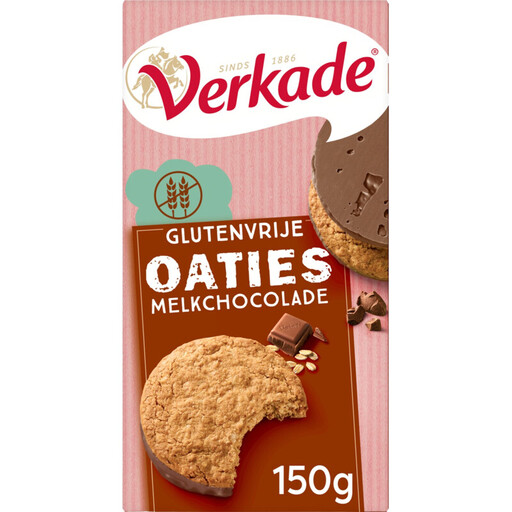 Image unavailable
Verkade Gv Oaties Milk Chocolate, 150 g
A packaged biscuit alternative for the office, not a spritz biscuit. Before serving, check the gluten-free statement and information about oats and other allergens on the packaging; store it separately from biscuits containing gluten.
View on Joybuy
Frequently asked questions
Are ordinary spritz biscuits gluten-free?
Not necessarily: Verkade lists wheat flour and a warning about other gluten-containing cereals for NoboSprits Original. This particular product is therefore not suitable for a colleague with coeliac disease; check the packaging of other biscuits individually.
What does a gluten-free statement on a biscuit mean?
For a food sold to the final consumer, the gluten-free statement can be used under Implementing Regulation (EU) No 828/2014 if the product contains no more than 20 mg/kg of gluten. Check for this statement on the packaging of the biscuit you buy.
Can gluten-free and ordinary biscuits go in the same office tin?
If a colleague has coeliac disease, don’t place them loose together: crumbs and shared utensils can cause contact with gluten. The Dutch Coeliac Association advises storing gluten-free products separately and using clean hands and utensils.
Are gluten-free biscuits also free from milk, egg and nuts?
No, the gluten-free statement doesn’t tell you that. For example, PLUS lists milk, egg and hazelnut in its gluten-free chocolate chip cookies. Always check the current packaging for allergen information to suit your team’s dietary needs.
How should you store opened gluten-free biscuits at the office?
Follow the storage instructions on the packaging and keep the biscuits separate from products containing gluten. Albert Heijn advises storing its gluten-free almond biscuits in a sealed tin after opening; check the packaging for any other type of biscuit.


