Don’t serve regular rye bread to a guest with coeliac disease: rye contains gluten, as stated in the Official Journal of the European Union. For your meal, choose a bread alternative labelled gluten-free that suits your menu, and keep it separate from regular bread. According to the Voedingscentrum, even a stray breadcrumb can cause symptoms in someone with coeliac disease.
Who are you choosing bread for?
Hosting a guest with coeliac disease
You’re looking for a product clearly labelled gluten-free and want to prevent it coming into contact with regular bread during preparation or serving. The Voedingscentrum points out that even a breadcrumb can cause symptoms in someone with coeliac disease.
Putting together a sharing platter or starter
You want individual portions of bread or something crunchy to serve on a separate plate. Mini baguettes and dark crispbread are different ways to serve bread; neither needs to look like rye bread.
Keeping a dark bread option on the menu
You’re looking for a dark bread to serve with savoury toppings, but its colour or seeds don’t indicate whether it’s suitable for a gluten-free diet. Check the gluten-free label and read the allergen information for the product you choose.
What should you look for?
First, find out what your guest needs in order to eat and be served the bread safely. Then choose between individual portions and a dark loaf to serve as a base for toppings.
| What to consider |
What to check |
Who it matters to |
| Gluten-free and served separately |
Look for the gluten-free label on the current packaging. If you’re serving regular bread too, use a separate clean board and clean serving utensils. |
When I’m hosting a guest with coeliac disease, I want to prevent crumbs from regular bread getting onto their food; around 50% of consumers looking for a bread alternative for this kind of meal put this first. |
| Portions for the table |
Check the portion format and preparation instructions: does the product need to be baked off or prepared in another way? |
I want to serve an easy-to-share bread on a separate plate with the starter; for around 30% of these consumers, the serving format is their main priority. |
| A dark bread character |
Choose between soft multiseed bread, sourdough and crisp crispbread. Also read the ingredients and allergen information on the packaging. |
For savoury toppings, I’m mainly looking for the look of dark bread, without expecting it to be rye; around 20% of these consumers prioritise that kind of bread. |
Common mistakes
-
Assuming dark bread is gluten-free
Rye contains gluten, and words such as ‘dark’ and ‘multigrain’ don’t, on their own, tell you whether a product is suitable for a gluten-free diet.
For a guest with coeliac disease, choose a product labelled gluten-free and check the current packaging.
-
Serving all the bread on the same board
According to the Voedingscentrum, even a stray breadcrumb can cause symptoms in someone with coeliac disease. Sharing a knife or board, or putting everything in one bread basket, makes it difficult to serve the bread separately.
Keep the gluten-free bread separate from the moment you open it, and use clean, dedicated utensils and a separate plate.
-
Overlooking other allergens
‘Gluten-free’ doesn’t tell you whether a product is also suitable for someone with another allergy.
Ask guests in advance about any relevant allergies and check the allergens in each product’s ingredients list.
-
Assuming a product listing guarantees availability
A product or category listed on a retailer’s website may not be available in the shop or delivery area where you do your shopping.
Check current availability before finalising your menu and, if necessary, choose another suitable bread alternative in advance.
Brands to consider
Schär
Schär offers several types of gluten-free bread that you can consider for your meal, including multigrain bread, mini baguettes and dark crispbread.
- PLUS lists Meesterbakker Mehrkorn as gluten-free multigrain bread; Dirk shows gluten-free Schär mini baguettes and dark crispbread.
- Ingredients and allergens vary by product. Check the packaging of the version you buy.
AH Glutenvrij
Albert Heijn’s dark multiseed bread is an option if you want to stick with soft bread rather than serving crispbread.
- Albert Heijn describes its dark multiseed bread as gluten-free and says it is baked in a dedicated gluten-free bakery.
- Check the current packaging for ingredients, allergens and nutritional information.
Consenza
Consenza is worth considering if you’re also looking at frozen bread or rolls for your meal.
- Consenza’s frozen range includes brown bread, as well as brown and white rolls.
- Check each product individually against its current packaging, allergen information and preparation instructions.
Products for your bread platter
These Joybuy products suit two different ways of preparing for a meal: individual mini baguettes or bread made from a gluten-free mix. Check the packaging for both before deciding how and when to prepare the bread.
 No image available
Gv Mini Baguette, 7 pieces
The mini baguette format is ideal for individual portions on a separate plate. Before buying, check the preparation instructions on the packaging so you know how much preparation is needed.
Also read the current allergen information, including details about soya, lupin and mustard. If serving alongside regular bread, use clean, dedicated utensils.
View at Joybuy
 No image available
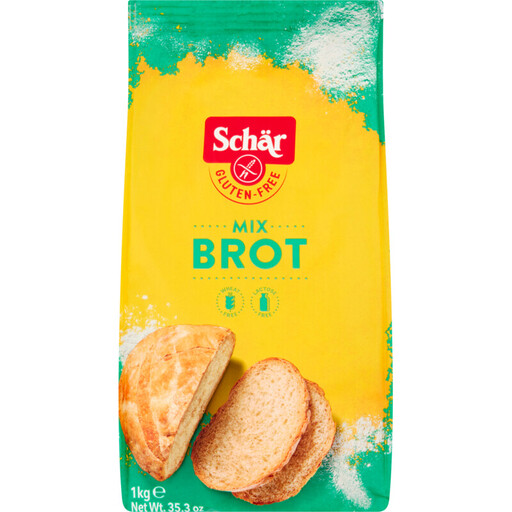
Schär Bread Mix-Mix B gluten-free bread mix, 1 kg
This bread mix is suitable for a meal where you want to prepare the bread yourself in advance; it isn’t ready-to-serve bread. Follow the preparation instructions on the packaging, and don’t expect a dark colour or a texture like rye bread.
Check the current allergen information, including whether the product contains soya if a guest needs to avoid it as well as gluten. Keep the prepared bread separate from regular bread.
View at Joybuy
Frequently asked questions
Can I serve rye bread to someone with coeliac disease?
Don’t serve regular rye bread to someone with coeliac disease, as rye contains gluten. Choose a bread alternative labelled gluten-free and prevent it coming into contact with regular bread during preparation and serving.
How should I serve gluten-free bread alongside regular bread?
Keep the gluten-free bread separate and use a clean, dedicated board, knife, plate and serving tongs. The Voedingscentrum warns that even a stray breadcrumb can cause symptoms in someone with coeliac disease.
Do I need to check for allergens other than gluten?
Yes. If your guests have other allergies, you’ll need to check the product for those too. Ask guests in advance what they need to avoid, and read the allergen information in the ingredients list on the current packaging.
Are the gluten-free bread products mentioned always available?
Don’t assume they’ll always be in stock: availability can vary by product, shop and time. Check the latest shop information before planning to serve a particular bread at your meal.


