If you have coeliac disease, rye bread isn’t an option: rye contains gluten. For a school holiday lunch, choose bread, rolls or crackers whose current packaging clearly states that they are gluten-free. Check for warnings on the packaging too, and prepare the lunch separately from ordinary bread. A dark multiseed loaf can replace a sandwich, but it isn’t rye bread.
Who is this choice relevant to?
Parents of children with coeliac disease
They’re looking for a gluten-free lunch that doesn’t come into contact with ordinary bread while it’s being prepared. The Dutch Coeliac Society lists rye as a gluten-containing grain, while the Netherlands Nutrition Centre points out that even a small amount of gluten can cause problems for people with coeliac disease.
Families looking for a dark bread alternative
They want something that feels like the familiar rye bread lunch, such as gluten-free multiseed bread or crackers. A dark colour or the word ‘multigrain’ doesn’t, by itself, mean a product is suitable for someone with coeliac disease.
Families shopping at different shops during the holidays
They don’t want to rely on one type of bread from one shop for every lunch. A packaged alternative that suits the planned type of lunch gives you the flexibility to choose a different shop or product format in advance.
What should you look for when choosing?
If you have coeliac disease, start by checking for a gluten-free statement and making sure the food can be prepared without contact with ordinary bread. Then choose a format that fits in the lunchbox, and only after that compare the products’ nutritional information.
| What to consider | What to check when buying | Who it matters to |
|---|
| Gluten and cross-contamination |
Read the gluten-free statement and any warnings on the packaging. Use clean utensils and surfaces at home, and keep crumbs from ordinary bread away. |
If my child has coeliac disease, I want both the product and the way the lunch is prepared to meet their needs; this is the top priority for around 42% of consumers. |
| Lunchbox format |
Choose between slices, rolls and crackers, and check whether the product needs to be baked before eating. |
For a lunch I pack in advance, I’m looking for a format my child will enjoy and that’s practical to take with them. This is the most important factor for around 25% of consumers. |
| Where to shop |
Check the specific product at the shop where you’re buying your groceries, and consider having another packaged lunch option available. |
When we’re on trips or shopping at different shops, I don’t want to rely on one product; availability is the priority for around 17% of consumers. |
| Nutritional information |
Compare fibre and salt per 100 g or per serving, and check the label for any added nutrients. |
When I replace rye bread, I want to know how the alternative compares nutritionally. This is the top priority for around 16% of consumers. |
Common mistakes
-
Assuming dark bread is a gluten-free alternative
Rye bread is still unsuitable for a strict gluten-free diet: according to the Dutch Coeliac Society, rye contains gluten. Its colour and appearance don’t change that.
First, look for a product with a clear gluten-free statement on the packaging. Then compare its flavour, format and nutritional value.
-
Relying on an online category page
A range shown online doesn’t tell you which products are available at your local shop. PLUS also warns that ingredients and allergen information can change.
Use a category page to find options, then check the current packaging of your chosen product when you buy it or have it delivered.
-
Preparing ordinary and gluten-free bread together
Even a packaged gluten-free product can come into contact with crumbs during preparation. The Netherlands Nutrition Centre points out that even small amounts of gluten can cause problems for people with coeliac disease.
Use clean utensils and surfaces, prepare the lunch separately, and agree with other carers on how to handle it.
-
Assuming gluten-free means the same nutritional value as rye bread
A gluten-free statement tells you nothing about the amount of fibre, salt or iodine in a bread alternative.
Compare the nutritional information of the products you’re considering. Only assume a product is fortified if this is stated on its packaging.
Brands and shops to explore
Albert Heijn
Albert Heijn lists its own breads, rolls and crackers in its gluten-free range, alongside products from Schär.
- There are several formats to compare for a lunch.
- Check the product you choose and its current packaging, rather than relying on the online range.
Jumbo
Jumbo lists a gluten-free bread category and a separate Schär range, which includes bread and rolls for lunch.
- The different formats let you choose between slices and rolls.
- Check the gluten-free statement and warnings on each product’s packaging, rather than relying on the product title alone.
PLUS
PLUS lists its own gluten-free brown and multiseed bread, rolls and crackers, among other products.
- You can compare products for sandwiches as well as smaller lunch formats.
- PLUS says that ingredients, nutritional values and allergen information can change, so check the packaging.
Dirk
Search results for gluten-free bread at Dirk include packaged products from Schär.
- The search results can help you find a particular product format.
- Check whether your chosen product is available at your local shop, and read the packaging.
ALDI
ALDI mentions gluten-free options among its bake-at-home rolls and bakery products.
- Bake-at-home rolls are worth considering if preparing them at home suits you.
- If you have coeliac disease, only choose an individual product whose gluten-free statement and packaging you can check.
Lidl
Lidl describes an additional gluten-free range alongside its standard selection.
- Information about the range may give you another shop to try.
- If you’re planning a lunch, don’t rely on a particular additional product being available without checking current availability.
Joybuy products for a bread-style lunch
These products suit a lunch where you bake rolls at home or make your own bread. If you have coeliac disease, check the current gluten-free statement and warnings on each product’s packaging, and prepare the lunch separately from ordinary bread.
 Image unavailable
Gv Baguette Mini, 7 pieces
An option if you’d like to bake mini baguettes at home for lunch; the pack contains 7 pieces. Before using, check whether the current packaging identifies the product as gluten-free and lists any warnings.
View at Joybuy
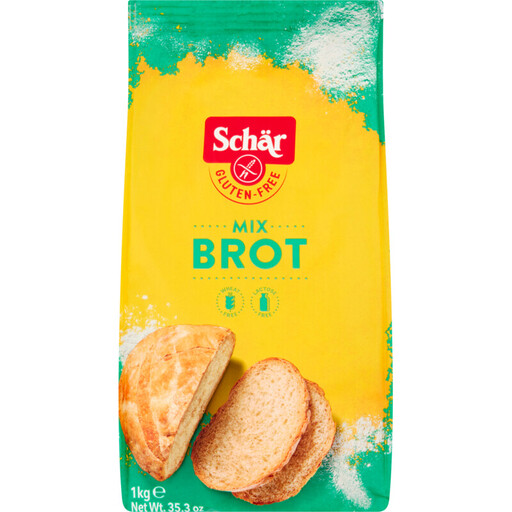 Image unavailable
Schär Bread Mix-Mix B Gluten Free, 1 kg
For anyone who wants to make their own bread for lunch: this is a 1 kg bread mix, not a ready-made loaf. Check the current packaging, and keep ingredients and utensils separate from ordinary bread when preparing it.
View at Joybuy
Frequently asked questions
Can someone with coeliac disease eat gluten-free rye bread?
Rye bread made from rye isn’t suitable for people with coeliac disease because rye contains gluten. Choose another bread product instead, with current packaging that clearly states it is gluten-free.
Is dark bread or oat bread automatically gluten-free?
No. The colour and product name don’t confirm that it’s gluten-free. Oats can come into contact with gluten-containing grains during processing, so check the packaging for a gluten-free statement on oat bread too.
How do I prepare a gluten-free lunch alongside ordinary sandwiches?
Prepare the gluten-free lunch separately using clean utensils and surfaces, and prevent it from coming into contact with crumbs or ordinary bread. Agree on the same approach with any other carers or supervisors who prepare the lunch.
Does gluten-free bread in the Netherlands always contain iodine?
You can’t assume this is the case for a particular loaf. The Netherlands Food and Consumer Product Safety Authority describes the permitted addition of iodine through baker’s salt in bread and other bakery products. Check the packaging of your chosen product for information about the ingredients used.


