
Seniors with coeliac disease
You’re looking for something other than ordinary rye bread and don’t want to choose based on colour or words such as ‘multigrain’. The Dutch Coeliac Association recommends checking that bread is labelled gluten-free.


Ordinary rye bread isn’t gluten-free, so it isn’t suitable for someone with coeliac disease: rye contains gluten. For afternoon coffee, first look for a bread alternative or cracker labelled gluten-free, or bearing the Crossed Grain symbol on the packaging. Then compare the portion size, texture, ingredients and nutritional value. A dark colour or lots of seeds doesn’t tell you whether it’s suitable for someone with coeliac disease.
You’re looking for something other than ordinary rye bread and don’t want to choose based on colour or words such as ‘multigrain’. The Dutch Coeliac Association recommends checking that bread is labelled gluten-free.
You’re looking for a portion that’s easy to top and eat. Compare the nutritional information and portion size; according to the Netherlands Nutrition Centre, the nutritional value of what you eat deserves extra attention after the age of 70.
You want to find bread or another gluten-free product at a familiar shop. Check the current range before you visit, and read the label on the specific product when you buy it.
If you have coeliac disease, first check that the packaging says gluten-free. Then choose between soft bread, a small portion, a crisp snack or bread you bake yourself, depending on what suits your coffee break.
| What to consider | What to check when buying | Who it matters most to |
|---|---|---|
| Gluten-free for coeliac disease | Look for ‘gluten-free’ or the Crossed Grain symbol on the packaging, and read the ingredients and allergen information. | When I buy something to have with coffee for someone with coeliac disease, I don’t want to judge by the colour of bread or crackers. For around 42% of consumers, checking that a product is gluten-free would be their main concern when buying. |
| Nutritional value | Compare fibre, sugars, fat and salt per 100 g; also consider how much of the product will actually be eaten. | I want a small portion of bread to fit in with what someone eats for the rest of the day. Nutritional value would be the first consideration for around 33% of consumers. |
| Portion size and texture | Check the number of pieces, storage instructions and whether soft bread or a crisp product is more suitable; also check the shop’s current range. | For a planned coffee break, I want to be able to serve a suitable portion without relying on a temporary range. For around 25% of consumers, this practical convenience would come first. |
Rye contains gluten. Seeds, a dark colour or a claim about fibre don’t make bread or crackers suitable for someone with coeliac disease.
First check for a gluten-free label or the Crossed Grain symbol on the packaging; only then consider the product’s other qualities.
According to the Dutch Coeliac Association, oats can come into contact with gluten-containing grains during production and processing. Some people with coeliac disease also react to pure oats.
Only choose oats with a gluten-free label or the Crossed Grain symbol. If you experience symptoms after eating oats, speak to a doctor or specialist dietitian.
According to the Netherlands Nutrition Centre, bread is an important source of iodine in the Netherlands, but ingredients vary between products.
If iodine intake from bread is relevant to your choice, check the packaging to see whether iodised salt or potassium iodide is listed in the ingredients.
A product category or temporary offer doesn’t mean the bread you want will be available when you visit your shop.
Check the latest store information shortly before your coffee break, and choose a second gluten-free option in advance if needed.
If the product you had in mind isn’t available, you may need to make an extra trip to the shop.
A supermarket where you can search online for gluten-free bread and other bakery products.
A shop to browse online if you’re looking for gluten-free products from brands such as Schär and Consenza.
A supermarket with an online gluten-free category, including bread and crackers.
A place to search for specific gluten-free bread products from Schär.
Another shop to check for the latest gluten-free products.
Another shop to consider for rolls and other bakery products.
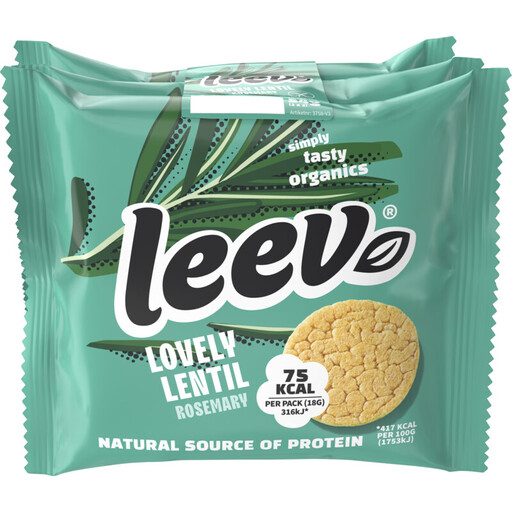
These Joybuy products offer a few different options: mini rolls to bake at home, a bread mix for baking your own loaf, and crisp lentil wafers for a savoury snack. Only the rolls and the mix are bread options; the wafers don’t have the texture of rye bread. If you’re buying for someone with coeliac disease, always check the gluten-free label on the packaging.
 No image available
An option if you’d like to serve small rolls with coffee. These rolls need baking; they’re not ready-to-eat rye bread. Check the gluten-free label on the packaging before use.
 No image available
For anyone who wants to bake their own bread and cut it into portions to suit. This is a bread mix, not ready-to-serve bread; Joybuy’s product information describes it as a white flour mix. Check the packaging and avoid contact with gluten-containing ingredients during preparation.
 No image available
A crisp, savoury snack to have with coffee if you’re not looking for soft bread. Lentil wafers aren’t a bread alternative with the texture of rye bread. Check the packaging for the gluten-free label, allergen information and whether the texture is suitable.
No. Rye contains gluten, as noted by the Dutch Coeliac Association and the European Commission. If you have coeliac disease, don’t judge ordinary rye bread by its dark colour or fibre content. Instead, look for an alternative with a gluten-free label on the packaging.
Start by looking for a gluten-free label or the Crossed Grain symbol on the packaging. According to the Dutch Coeliac Association, ‘gluten-free’ means a product contains less than 20 mg of gluten per kilo. Also read the ingredients and allergen information for other details that may be relevant to the person eating it.
No. Check explicitly for a gluten-free label on oat bread too. According to the Dutch Coeliac Association, oats can come into contact with gluten-containing grains, and a small number of people with coeliac disease also react to pure oats. Speak to a doctor or specialist dietitian if you experience symptoms.
Check the ingredients list of the specific bread to see whether iodised salt or potassium iodide is listed. The Netherlands Nutrition Centre describes bread as an important source of iodine in the Netherlands, but that doesn’t mean every gluten-free loaf contains iodised salt.
Choose a texture the person can eat comfortably, such as a soft, sliceable gluten-free bread alternative in a suitable portion. A crisp cracker or lentil wafer has a different bite. If someone has swallowing difficulties, ask a healthcare professional for individual advice.