Traditional rye bread isn’t gluten-free: according to the Dutch Coeliac Society and the Netherlands Nutrition Centre, rye contains gluten. So, for a coffee break, look for bread without rye that is clearly labelled gluten-free. Then choose between options such as dark seeded bread and lighter bread, based on the texture you prefer, any other allergens and how you plan to store or prepare it.
Who might need an alternative?
If you eat strictly gluten-free and miss rye bread
You’re looking for something with a hearty, bread-like feel, but rye isn’t an option. The Dutch Coeliac Society and the Netherlands Nutrition Centre classify rye as a gluten-containing grain. So start by checking for a gluten-free label, rather than judging by the dark colour or product name.
If you mainly want seeds and a firm bite with your coffee
Dark seeded bread can take the place of rye bread on the table without actually being rye bread. Consider the type of bread and ingredients you prefer, and check that the exact variety suits your other dietary requirements.
If you also need to consider allergens and storage
Gluten-free doesn’t mean free from other allergens. And if you only serve bread with coffee now and then, portion size and storage or freezing instructions matter too.
What should you look for?
If you need to eat gluten-free, rule out rye bread. Then compare the type of bread and its ingredients, followed by portion size and how easy it is to store for your coffee break.
| What to consider |
What to check |
Who it matters to |
| Gluten-free choice |
Look for an explicit gluten-free label and read the ingredients and warnings on the packaging. |
If I eat strictly gluten-free, I want to rule out rye before choosing bread by its appearance. This is the top priority for around 46% of consumers. |
| Type of bread and texture |
Compare dark seeded bread with lighter bread, and check which seeds and basic ingredients are listed. |
With coffee and cake, I’d be more likely to choose dark bread with seeds than soft, light bread, even though neither tastes like rye bread. This is the first thing around 27% of consumers consider. |
| Other allergens and storage |
Read the allergen information for the exact variety and check the portion size and storage or freezing instructions. |
If I only serve bread occasionally, I want to be able to store a suitable portion and take other allergens into account. This combination comes first for around 27% of consumers. |
Common mistakes
-
Assuming dark bread is gluten-free
The colour tells you nothing about whether a product contains gluten. According to the Dutch Coeliac Society, rye contains gluten; a rye bread listed by Albert Heijn also includes rye and wheat bran in its ingredients.
If you eat gluten-free, don’t choose a product containing rye. Check for a gluten-free label and read the current packaging.
-
Stopping at the word ‘gluten-free’ on the label
Gluten-free bread products can contain other allergens or carry warnings about them. Information varies between products and varieties.
Read the ingredients list and allergen information for the bread you’re actually buying, especially if you need to avoid more than just gluten.
-
Choosing a pack without a storage plan
If you only eat bread occasionally with your coffee, the pack should suit the portions you use. Albert Heijn says its dark gluten-free seeded bread can be frozen at home.
Check the storage and freezing instructions for your chosen variety, and portion the bread in advance if needed.
Brands to consider
AH Glutenvrij
Albert Heijn’s range includes dark seeded bread. It’s a bread-like alternative for anyone who needs to avoid rye, not rye bread itself.
- The dark seeded bread mentioned is labelled gluten-free and contains seeds; Albert Heijn says it can be frozen.
- The product information warns that it may contain, among other things, egg, milk, soya, oats and nuts. Check the current packaging.
Schär
Schär offers a range of gluten-free breads. The Meesterbakker Classic listed by Jumbo is a lighter bread made with ingredients including millet, quinoa and sourdough.
- The range of bread types gives you options if a dark seeded variety doesn’t have the texture you want.
- Soya is listed as an allergen for the Classic product mentioned, and there’s a warning that it may contain lupin and mustard. Check other varieties separately.
Jumbo Lekker Vrij van Gluten
Jumbo lists 500 g loaves of white and brown bread in its own gluten-free range. Brown bread isn’t automatically comparable to rye bread.
- White and brown bread give you two types to compare with other gluten-free alternatives.
- For each loaf you’re considering, check the ingredients, allergens and storage instructions on the product packaging.
Products for a gluten-free bread break
These products suit anyone looking for light gluten-free rolls or bread to bake at home. If you’re mainly after the dark, hearty feel of rye bread, consider the type of bread and the result once prepared separately.
 No image available
Gv Baguette Mini, 7 pieces
A good option if you want to serve small gluten-free rolls with coffee or cake and don’t mind baking them before serving.
The pack contains 7 pieces. If you have other allergies, check the packaging for soya and warnings about lupin or mustard. These aren’t dark rolls like rye bread.
View at Joybuy
 No image available
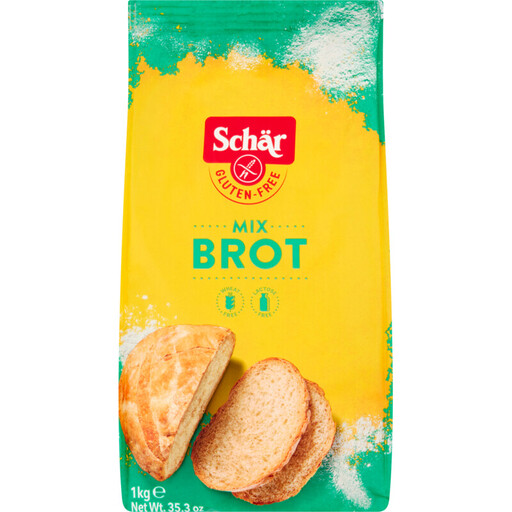
Schär Bread Mix-Mix B Gluten Free, 1 kg
For anyone who wants to bake gluten-free bread at home rather than serve a ready-made loaf.
This is a 1 kg bread mix, not ready-to-eat bread. Check the packaging if soya is a concern, and don’t assume from the mix’s name that the finished loaf will be dark or seeded.
View at Joybuy
Frequently asked questions
Can rye bread be gluten-free?
Not if it actually contains rye. According to the Dutch Coeliac Society and the Netherlands Nutrition Centre, rye contains gluten. If you need to eat gluten-free, choose a bread alternative without rye that is clearly labelled gluten-free.
Is wheat-free the same as gluten-free?
No. A wheat-free product may still contain other gluten-containing grains, including rye or barley. So read the ingredients and look for an explicit gluten-free label rather than relying on a wheat-free claim alone.
Do I need to watch out for cross-contamination with gluten-free bread?
Yes, especially if you eat strictly gluten-free. The Dutch Coeliac Society describes cross-contamination as gluten getting into a product where it shouldn’t be. Read the warnings on the packaging, and at home, take care to avoid contact with ordinary bread crumbs.
Does gluten-free bread contain the same amount of iodine as ordinary bread?
You can’t tell from the type of bread alone. Check the ingredients of the specific product for iodised salt; its presence doesn’t, by itself, tell you how much iodine a portion contains.


