
Guest with coeliac disease
You need a gluten-free product that won’t come into contact with crumbs from ordinary bread. According to the Voedingscentrum, even a stray bread crumb can be an issue for someone with coeliac disease.


If you’re catering for a guest with coeliac disease, choose rusks whose current packaging explicitly states that they are gluten-free, and keep them separate from ordinary bread during preparation and serving. Albert Heijn and PLUS list Schär Zwieback as gluten-free rusks. When buying, check the other allergens too, as well as the ingredients in any toppings, gravy and sauces.
You need a gluten-free product that won’t come into contact with crumbs from ordinary bread. According to the Voedingscentrum, even a stray bread crumb can be an issue for someone with coeliac disease.
You want to serve something crunchy alongside the roast without mixing up the rusks, toppings and utensils. So check both the product and how you prepare it.
As well as gluten, you may need to consider things such as eggs, milk, lactose or nutritional value. A gluten-free label on its own doesn’t answer those other questions.
For a guest with coeliac disease, the gluten-free label comes first. Then check whether you can find rusks that also suit their other dietary needs and the toppings you’re planning to serve.
| What to consider | What to check before buying | Who is this most important for? |
|---|---|---|
| Gluten and preparation | Read the gluten-free statement on the packaging, and use a clean, crumb-free work surface and separate utensils. | If I’m setting the table for someone with coeliac disease, I want to stop ordinary bread coming into contact with the rusks; gluten safety is the top priority for around 42% of consumers. |
| Availability | Check the product’s current status with your shop, and decide in advance whether gluten-free bread or a gluten-free cracker would also do. | If I still need to shop for Sunday, I want to know whether I can get the rusks in time; around 25% of consumers prioritise availability. |
| Other ingredients | Read the allergen information and nutritional details for the rusks, as well as for the toppings, gravy and sauces. | If a guest also needs to avoid eggs or milk, I don’t want to rely on the words “gluten-free” alone; additional dietary restrictions are the main concern for around 17% of consumers. |
| How it fits the meal | Decide whether you want to use rusks as a base for toppings, or whether another type of product would suit the meal better. | If I want to serve something crunchy with the meal, it matters to me whether a cracker can replace the rusks; around 16% of consumers prioritise the type of product. |
A familiar brand or an ingredients list that doesn’t put wheat near the top doesn’t make ordinary rusks suitable for someone with coeliac disease.
Choose a product whose current packaging explicitly states that it is gluten-free, and read the ingredients list too.
The Albert Heijn and Jumbo pages we checked listed certain Damhert rusks as no longer available online. Jumbo said the same about its Lekker Vrij rusks. So the status of a previous purchase tells you little about what will be available on your next shop.
Check the current status with your chosen shop, and check the packaging again when you have the product.
Gluten-free doesn’t automatically mean egg-free or milk-free. Jumbo listed eggs and milk as allergens for the Damhert rusks we checked; Albert Heijn describes Schär Zwieback as lactose-free, which isn’t the same as milk-free.
Compare the allergen information for the rusks and all the toppings with the ingredients your guest needs to avoid.
According to the Voedingscentrum, even a small amount of gluten, such as a bread crumb, can be an issue for someone with coeliac disease.
Clean the work surface, wash your hands and use separate utensils for the gluten-free portion.
Albert Heijn and PLUS list Schär Zwieback as a gluten-free rusk option.
Damhert rusks appeared as gluten-free products on the Albert Heijn and Jumbo pages we checked.
Jumbo listed a 120 g pack of Lekker Vrij Gluten-Free Rusks.
Albert Heijn has a gluten-free range and lists Schär Zwieback as gluten-free rusks.
PLUS has a gluten-free range and lists Schär Zwieback as a product.
These lentil wafers aren’t rusks, but they could make a crunchy alternative to serve with the meal. If you’re catering for a guest with coeliac disease, check the packaging before serving to make sure they are explicitly labelled gluten-free.
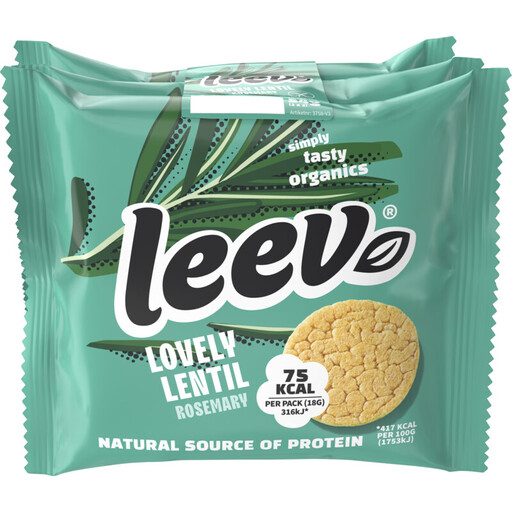 Image unavailable
Worth considering if lentil wafers would work instead of rusks with your meal. Before serving them to someone with coeliac disease, check the current packaging for an explicit gluten-free statement, allergen information and cross-contamination warnings.
No. The position of wheat in the ingredients list isn’t a reliable way to decide. Choose rusks whose current packaging explicitly states that they are gluten-free, and check the ingredients.
Use clean hands, a clean work surface and separate utensils, and serve the rusks away from ordinary bread products. According to the Voedingscentrum, even a stray bread crumb can be an issue for someone with coeliac disease.
Not automatically. Albert Heijn lists Schär Zwieback as lactose-free, while Jumbo listed eggs and milk for the Damhert rusks we checked. Check the current allergen information every time you buy; lactose-free doesn’t mean milk-free.
You can’t tell from the product name. Dutch rules on baker’s salt don’t tell you which salt was used in a particular rusk, so check the ingredients list on the packaging.
Gluten-free-labelled bread or crackers could be another base for toppings, if they suit the meal. Check the current allergen information for these alternatives too, and prevent them from coming into contact with crumbs from ordinary bread.