
Choosing lunch with coeliac disease
Looking for rusks explicitly labelled gluten-free and wanting to avoid contact with ordinary bread crumbs when storing and topping them.


If you have coeliac disease, choose rusks that are explicitly labelled gluten-free and avoid contact with ordinary bread crumbs. Then compare the nutritional information and other allergens for the specific product, as well as the portion size and toppings. If rusks aren’t what you’re looking for at lunchtime, you could consider another lunch base and check the packaging for a gluten-free label.
Looking for rusks explicitly labelled gluten-free and wanting to avoid contact with ordinary bread crumbs when storing and topping them.
Wanting to consider fibre, sugars, fat, salt, portion size and toppings at lunchtime, rather than relying on the words ‘gluten-free’ alone.
Wanting to know whether a particular type of rusk is available, and being prepared to choose another lunch base if necessary, provided it’s suitable for a gluten-free diet.
If you have coeliac disease, start by checking for a gluten-free label. Then check the other allergens, nutritional information and availability of the product you want to buy.
| What to consider | What to check when buying | Who it matters to |
|---|---|---|
| Gluten-free for coeliac disease | Look for an explicit gluten-free label and read any warnings on the packaging. | If I have coeliac disease, I want to choose a suitable lunch base without it coming into contact with ordinary bread crumbs. Around 42% of consumers put gluten-free status first. |
| Nutritional value of your lunch | Compare fibre, sugars, fat and salt per 100 g; also consider portion size and toppings. | I want to know what both the rusks and my toppings contribute to my lunch, rather than relying on the gluten-free label alone. Nutritional value matters most to around 33% of consumers. |
| Other allergens | Check the allergen information for the exact product on its current packaging. | If I need to avoid eggs or milk as well as gluten, the gluten-free label alone isn’t enough. Other allergens are the deciding factor for around 17% of consumers. |
| Availability | Check whether the rusks are available to order or locally, and reassess any alternative by checking its label. | I want to be able to put my lunch together without relying on one hard-to-find product. Around 8% of consumers put availability first. |
Not seeing wheat in the ingredients list isn’t the same as finding an explicit gluten-free label. If you have coeliac disease, contact with crumbs containing gluten matters too.
Check the gluten-free label and any warnings on the packaging. At home, keep the rusks and toppings free from ordinary bread crumbs.
According to the Netherlands Nutrition Centre, the nutritional value of specialist gluten-free products can differ from that of regular products. Albert Heijn lists both 8,1 g of fibre and 1,8 g of salt per 100 g for Schär Zwieback.
Compare specific products using their labels, and take the quantity of rusks and your toppings into account.
Jumbo states on the product page for Jumbo Lekker Vrij van Gluten Beschuit 120 g that this product is no longer part of its online range.
Check availability shortly before buying. If you choose an alternative, check again that its packaging explicitly says it’s gluten-free.
The Dutch baker’s salt agreement, published by the Ministry of Health, Welfare and Sport, encourages the use of iodised salt. This doesn’t tell you how much iodine a specific gluten-free rusk contains.
Don’t assume a product contains iodine just because it’s a rusk. If iodine matters to your choice, check the available nutritional information.
Schär makes a Zwieback product that Albert Heijn lists as gluten-free rusks.
Jumbo lists a 125 g Damhert product described as gluten-free rusks or biscotti.
Jumbo has a product page for Lekker Vrij van Gluten Beschuit 120 g.
These lentil wafers and mini baguettes are alternatives to rusks, not types of rusk. If you have coeliac disease, check the current packaging for both products for an explicit gluten-free label and any warnings.
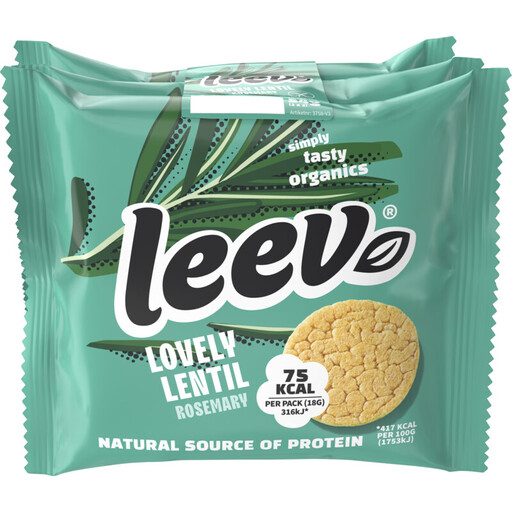 Image unavailable
An option if you’d like to have lentil wafers instead of rusks for lunch. The pack contains 54 g. If you have coeliac disease, check the current label for a gluten-free statement and any warnings, and read the allergen information too.
 Image unavailable
Another lunch base to consider if you don’t want rusks. The product title says it contains 7 pieces. Before buying, check the product type, preparation method, allergens and gluten-free label on the current packaging.
According to the Dutch Coeliac Society, the ‘gluten-free’ label means the product contains less than 20 mg of gluten per kg. If you have coeliac disease, check the packaging for warnings too, and avoid contact with ordinary bread crumbs.
No. The gluten-free label doesn’t tell you about the nutritional make-up of your whole lunch. Compare the nutritional information for the rusks and consider the portion size, toppings and anything else you eat.
Yes. If you need to avoid milk or eggs, check the allergen information for the exact product. Jumbo lists eggs and milk for Damhert gluten-free rusks. Albert Heijn lists Schär Zwieback as lactose-free, but that doesn’t mean it’s free from all other allergens.
No. Don’t assume every rusk has a set iodine content. The Dutch baker’s salt agreement encourages the use of iodised salt, but doesn’t give nutritional information for specific products. Check the information available for the product instead.
Keep gluten-free rusks away from ordinary bread crumbs, and use clean kitchen utensils and toppings that haven’t come into contact with bread containing gluten. The Netherlands Nutrition Centre points out that even a small amount of gluten can cause symptoms if you have coeliac disease.