
Guests who eat strictly gluten-free
Anyone who needs to avoid gluten because of coeliac disease or another reason needs both a suitable base and suitable toppings. Gluten-containing crumbs on crockery or cutlery also need to be considered.


Rye bread is not a gluten-free base for rusks with aniseed sprinkles: according to the Netherlands Nutrition Centre, rye contains gluten. If someone needs to eat strictly gluten-free, choose rusks or another base labelled gluten-free, and check the sprinkles separately. For example, Albert Heijn lists wheat starch and cereals containing gluten in De Ruijter pink and white aniseed sprinkles.
Anyone who needs to avoid gluten because of coeliac disease or another reason needs both a suitable base and suitable toppings. Gluten-containing crumbs on crockery or cutlery also need to be considered.
If you want to offer guests a familiar treat, you can’t rely on the words ‘gluten-free’ on the rusks alone. The ingredients and allergen information for your chosen sprinkles matter too.
If you’d prefer a darker or sturdier base than rusks, rye is not an option for a strictly gluten-free choice. Check that the finished bread alternative is labelled gluten-free.
First decide whether the whole treat needs to be gluten-free. Then choose the type of base you want and compare the nutritional information and pack size of suitable products.
Suitable for: someone who doesn’t need a gluten-free base and specifically wants rye bread.
Trade-off: rye contains gluten, and rye bread is not the same shape as a rusk.
Suitable for: anyone who wants to keep the familiar, crunchy base and chooses a product labelled gluten-free.
Trade-off: the gluten-free label on the rusks doesn’t automatically apply to the sprinkles.
Suitable for: anyone who wants to use a different base labelled gluten-free, for example if rusks aren’t the right shape.
Trade-off: the texture differs from rusks, and a bread mix needs to be prepared first.
| What to consider | What to check when buying | Who it matters to |
|---|---|---|
| Gluten in the whole treat | Read the gluten-free labelling and allergen information for both the base and the sprinkles. When serving, keep gluten-containing crumbs and used cutlery separate. | If someone eats strictly gluten-free, I want to be sure both the base and the topping are suitable and served hygienically; this check is the top priority for around 50% of consumers. |
| Shape and use | For a familiar shape, choose rusks labelled gluten-free; with bread or crackers, check whether the shape is suitable for toppings. | For a new-baby visit, I want to serve a familiar treat that’s easy to top. Around 30% of consumers give this ease of use top priority. |
| Nutritional information and quantity | Compare fibre and salt per 100 g, check whether baker’s salt is listed if you use the product regularly, and choose a quantity you can finish. | When I use a bread alternative more often, I want to compare nutritional information without having too much left over; this matters most to around 20% of consumers. |
Albert Heijn’s product page lists 8,1 g of fibre and 1,8 g of salt per 100 g for Schär Zwieback. These figures apply to this product, not to gluten-free rusks in general. The Dutch Coeliac Society also points out that gluten-free bread isn’t always made with baker’s salt.
Rye bread is still unsuitable if the base needs to be strictly gluten-free: according to the Netherlands Nutrition Centre, rye is a cereal containing gluten. Colour and type of bread are no substitute for checking the label on the finished product.
In that case, choose rusks or a bread alternative labelled gluten-free on the packaging.
Gluten-free rusks don’t automatically make the combination gluten-free. Albert Heijn lists wheat starch and cereals containing gluten in De Ruijter pink and white aniseed sprinkles.
Check the ingredients and allergen information for your chosen sprinkles, and use clean crockery and cutlery.
Jumbo’s product page for Jumbo Lekker Vrij van Gluten Beschuit says that this particular product is no longer part of its online range. So an older listing isn’t a reason to base your treat on those rusks.
Check the current range before planning your shopping, and read the packaging of the product you actually receive when you buy it.
A gluten-free label doesn’t tell you anything by itself about the amount of fibre or salt. The Dutch Coeliac Society also says that gluten-free bread isn’t always made with baker’s salt.
Compare nutritional information per 100 g and, for bread products you use regularly, check the ingredients listed on the packaging.
Albert Heijn has a product page for Schär Zwieback gluten-free rusks, with ingredients and nutritional information.
Jumbo features gluten-free Schär bakery products in its online range.
PLUS has a product page describing Schär Zwieback as gluten-free rusks.
These products suit anyone looking for a different bread- or cracker-style base: a bread mix to bake your own loaf and savoury wafers. Neither is a rusk; if you choose the wafers, check whether their shape works with aniseed sprinkles.
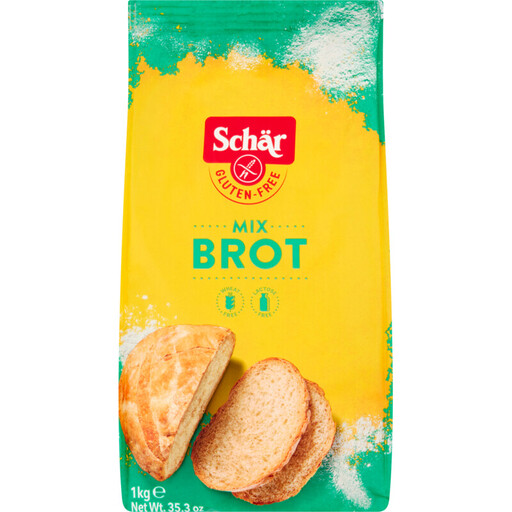 No image available
For anyone who wants to bake their own bread as an alternative to rusks; this is a mix, not a ready-to-eat base.
The pack contains 1 kg. Check the current gluten-free labelling and allergen information, and keep gluten-containing crumbs and used equipment separate when preparing it.
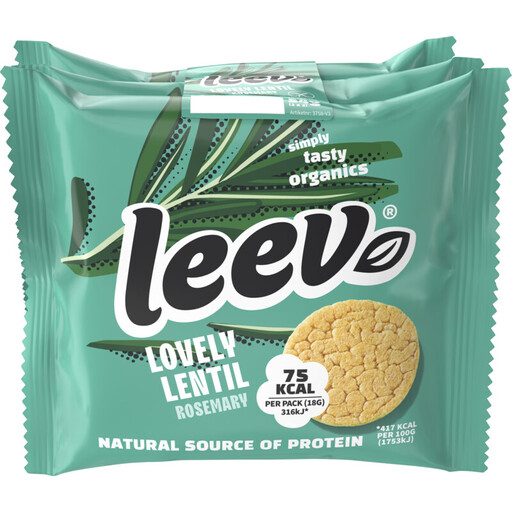 No image available
For anyone considering a savoury, cracker-style snack as a possible base; these wafers aren’t rusks, and you’ll need to decide whether they’re suitable for topping with aniseed sprinkles.
The pack contains 54 g. Check the current packaging for gluten-free labelling and allergen information, including whether milk and soya are listed.
No. According to the Netherlands Nutrition Centre, rye is a cereal containing gluten. Rye bread is therefore not suitable if the base needs to be strictly gluten-free.
No, check the variety you choose separately. Albert Heijn lists wheat starch and cereals containing gluten in De Ruijter pink and white aniseed sprinkles, so that variety isn’t suitable for a strictly gluten-free treat.
Check that the finished product is labelled gluten-free on the packaging and read the allergen information. According to the Dutch Coeliac Society, a product labelled ‘gluten-free’ contains less than 20 mg of gluten per kg; check the topping separately too.
Use clean crockery and cutlery for the gluten-free treat, and keep the base and topping separate from products containing gluten. The Netherlands Nutrition Centre points out that even a stray bread crumb can cause symptoms for someone with coeliac disease.
No. The Dutch Coeliac Society says that gluten-free bread isn’t always made with baker’s salt. If you eat a particular bread product regularly, check its ingredients; if you have questions about your overall diet, speak to a dietitian who specialises in this area.