If coeliac disease is your main consideration, choose rusks explicitly labelled ‘gluten-free’ and check the ingredients and allergen information on the current packaging. Schär Zwieback is one rusk option; if rusks regularly replace bread, compare the nutritional information too. If gluten-free rusks aren’t available, clearly labelled gluten-free crackers or crispbread can offer another crunchy snack option.
Who is this choice relevant to?
People for whom coeliac disease comes first
When choosing an autumn half-term snack, they first look for a product clearly labelled gluten-free, then check the current label. The Dutch Coeliac Society also advises checking for a gluten-free logo or claim on products that appear to be naturally gluten-free.
Families who want to stock up on snacks in advance
If you’re looking for a crunchy snack to enjoy on several occasions, you could also consider gluten-free crackers or crispbread if your preferred rusks aren’t available. Check the label and allergen information again for each alternative.
People who often eat rusks instead of bread
As well as checking the gluten-free label, they compare the fibre and salt content. Iodine also deserves separate attention: according to the Netherlands Nutrition Centre, bread doesn’t have to be made with iodised baker’s salt.
What should you look for when choosing?
For a snack when you have coeliac disease, first check the gluten-free label and the current packaging. Then see which snack options are available and whether the nutritional information suits how you plan to use them.
| What to consider |
What to check when buying |
Who it matters to |
| Gluten-free label and packaging |
Look for the ‘gluten-free’ label and read the current ingredients and allergen information. Under EU Regulation 828/2014, products using this label must contain no more than 20 mg/kg of gluten. |
If I’m taking rusks for someone with coeliac disease, I want to be able to check the packaging rather than rely on the ingredients. For around 42% of consumers, this reassurance comes first. |
| Availability and snack options |
Check whether your preferred rusks are available to order. If not, consider crackers or crispbread with their own gluten-free label. |
When planning several snacks for the autumn half-term, I don’t want to be searching for an alternative at the last minute. For around 33% of consumers, finding an available crunchy snack option matters most. |
| Fibre, salt and iodine |
Compare fibre and salt per 100 g. If you regularly replace bread, also consider your sources of iodine separately as part of your diet. |
If rusks often replace bread, I want to look beyond the gluten-free label. For around 25% of consumers, nutritional information and overall iodine intake are the main considerations. |
Common mistakes
-
Assuming ‘naturally gluten-free’ means a product is labelled gluten-free
According to the Dutch Coeliac Society, even ingredients that are naturally gluten-free can come into contact with gluten. So checking only what you think the product contains is no substitute for looking at its label.
If you have coeliac disease, choose a product with a clear gluten-free label and read the current packaging.
-
Assuming an old product listing confirms it’s in stock
Jumbo says that its Lekker Vrij van Gluten rusks and Damhert Nutrition rusks are no longer part of its online range. So just because you can find a product page doesn’t mean you can order the item.
Before you shop, check that your preferred rusks are actually available to order, and keep a gluten-free snack alternative in mind if needed.
-
Assuming gluten-free means similar nutritional value
Albert Heijn lists Schär Zwieback as containing 8.1 g of fibre and 1.8 g of salt per 100 g. These figures alone don’t show how rusks compare with bread as part of your overall diet. The Netherlands Nutrition Centre also says that bread doesn’t have to be made with iodised baker’s salt.
Compare the nutritional information for the specific products, and consider iodine separately if you regularly replace bread.
Brands and product ranges to consider
Schär
Albert Heijn lists Schär Zwieback as gluten-free rusks in a 175 g pack.
- The product information describes this Zwieback variety as free from gluten and wheat.
- According to Albert Heijn, the same variety contains 8.1 g of fibre and 1.8 g of salt per 100 g; check the current packaging too.
Damhert Nutrition
Damhert Nutrition has a product listing for 125 g packs of gluten-free rusks or biscotti.
- The Jumbo listing describes these specific rusks as gluten-free.
- Jumbo says on the product page that the item is no longer part of its online range. Check availability before relying on it.
Jumbo Lekker Vrij van Gluten
Jumbo has a product listing for 120 g packs of Lekker Vrij van Gluten rusks.
- The range includes rusks specifically labelled gluten-free.
- Jumbo says these rusks are no longer part of its online range. Other gluten-free products from Jumbo aren’t automatically the same kind of snack.
A crunchy snack alternative at Joybuy
These lentil wafers are labelled gluten-free and offer a crunchy alternative if you’re looking for an autumn half-term snack. They aren’t rusks, so consider whether this different kind of snack suits your plans.
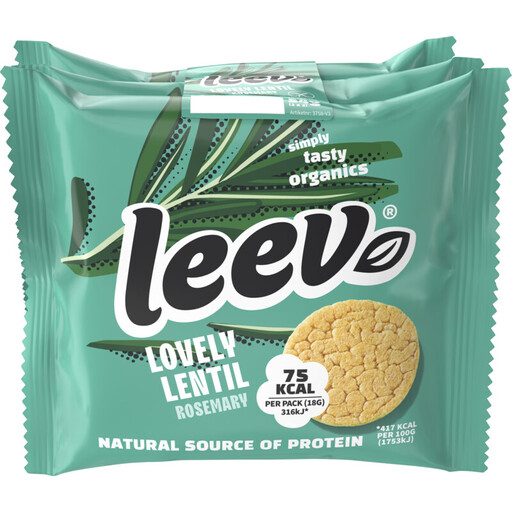 Image unavailable
Leev Organic Rosemary Lentil Wafers, 54 g
A crunchy snack option if you don’t need rusks; the product description labels these lentil wafers gluten-free.
The pack contains 54 g, and the product description mentions rosemary and 83% lentil flour. Check the ingredients and allergens on the current packaging, including the listed milk and soya. Only compare nutritional values once you’re clear about the quantity they refer to.
View at Joybuy
Frequently asked questions
Are regular rusks suitable for someone with coeliac disease?
Don’t choose regular rusks unless the specific packaging labels them gluten-free. Under EU Regulation 828/2014, a product labelled ‘gluten-free’ can contain no more than 20 mg/kg of gluten; a crunchy texture or a fibre claim tells you nothing about this.
What should I check on a pack of gluten-free rusks?
Check the gluten-free label, ingredients list and allergen information on the pack you’re buying. The Netherlands Food and Consumer Product Safety Authority says allergens must be clearly identifiable in the ingredients list. If the product variety or packaging has changed, don’t assume the label is the same as one you’ve read before.
Do gluten-free rusks automatically provide iodine?
No. The ‘gluten-free’ label says nothing about the amount of iodine. The Netherlands Nutrition Centre points out that bread doesn’t have to be made with iodised baker’s salt. If you regularly replace bread, consider the sources of iodine in your overall diet.
What can I take if gluten-free rusks aren’t available?
Crackers or crispbread labelled gluten-free can offer another crunchy snack option. Check the chosen product’s current availability, ingredients, allergens and nutritional information; an alternative doesn’t have to be the same as rusks.


