What should you look for when choosing?
If you’re catering for a guest with coeliac disease, start with the label and how you’ll serve the food. Then choose between rusks and another gluten-free product based on the topping; iodine is mainly a consideration for the diet as a whole.
| What to consider |
What to check before buying |
Who is this most important for? |
| Gluten-free labelling |
Read the gluten-free statement and any warnings on the current packaging. The Crossed Grain symbol can make products easier to identify. |
When I’m buying for someone with coeliac disease, I want to be able to see clearly whether the product is gluten-free. Around 40% of consumers prioritise checking the label. |
| Contact with gluten |
Choose a product you can keep separate, and make sure you have clean serving utensils and separate toppings. |
When ordinary bread is on the same table, I want to stop crumbs or a used knife from coming into contact with my gluten-free bite. This is the main concern for around 30% of consumers. |
| Shape and toppings |
Choose rusks, a cracker or a bread roll to suit the amount and moisture of the topping. If you have a specific product in mind, check that it is currently available too. |
For a small bite, I want something crisp, but for lots of sauce or a heavier topping, I need a suitable base. Around 20% of consumers prioritise this serving choice. |
| Iodine for regular use |
Check the ingredients if iodised salt is relevant to your choice; don’t assume it is included based on the product category. |
As I eat very little ordinary bread on a regular basis, I want to assess my iodine sources across my diet as a whole. This is the most important consideration for around 10% of consumers. |
Joybuy products for this choice
This selection features lentil wafers as a cracker-style alternative to rusks for small barbecue bites. If you’re serving them to a guest with coeliac disease, check the current packaging first.
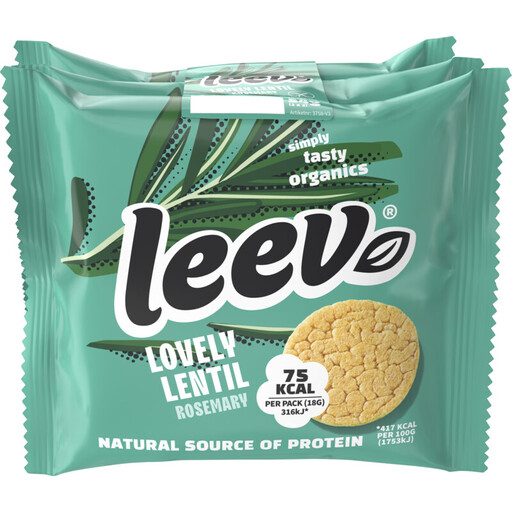 Image unavailable
Leev Organic Rosemary Lentil Wafers 54 g
These lentil wafers are a cracker-style alternative to consider for small barbecue bites; they are not rusks. If you’re serving them to a guest with coeliac disease, check the gluten-free statement and any gluten warnings on the current packaging. Also read the allergen information if milk or soya is relevant to your guests, and add the toppings just before serving if you want to keep the wafers crisp.
View at Joybuy
Frequently asked questions
Is a gluten-free statement enough to choose rusks for someone with coeliac disease?
A clear gluten-free statement on the current packaging is the starting point when choosing a product. According to the Dutch Coeliac Association, a product can be labelled gluten-free if it contains less than 20 mg of gluten per kg; the Crossed Grain symbol is another easy-to-recognise indication. After buying the product, keep it separate from ordinary bread too.
How should I serve gluten-free rusks at a barbecue where ordinary bread is also being served?
Prepare the gluten-free portion separately using clean utensils. Use a separate plate and toppings that haven’t been touched by a knife or tongs used for ordinary bread. The Dutch Coeliac Association warns that shared work surfaces and utensils can transfer crumbs.
When should I choose a gluten-free bread roll or cracker instead of rusks?
Consider another gluten-free base if you’re serving a larger, heavier or wetter barbecue topping. Check that the product you choose will work with the topping; for a small bite that you’ll eat straight away, rusks may offer just the crisp texture you’re after.
Do gluten-free rusks in the Netherlands always contain iodine?
No, you can’t tell from the product category. According to the National Institute for Public Health and the Environment (RIVM) and the Netherlands Food and Consumer Product Safety Authority, adding iodised salt to food is not compulsory. Check the ingredients if iodine is relevant to your choice, and if you eat very little bread over the long term, consider your diet as a whole.
Do I need to check for allergens other than gluten?
Yes. If your guests have other allergies, read the ingredients and allergen information on the packaging of the product you’re serving. Don’t rely on information for a different variant or an older product listing.


