What should you look for when choosing?
First, check the gluten-free labelling on every part of the treat. Then compare the shape and nutritional information of the base you want to use.
| What to consider |
What to check when buying |
Who it matters to |
| Base and topping |
Read the current gluten-free labelling and allergen information for the base, spread and sprinkles. Don’t rely on the product name alone. |
If I’m making rusks with sugar-coated aniseed sprinkles for someone with coeliac disease, I don’t want the topping to make an otherwise checked base unsuitable. Around 50% of consumers put checking every component first. |
| Shape and presentation |
Check the size of the rusk, toast or cracker, and whether the product you’ve chosen will be available when you need it. |
For a familiar birth celebration treat, I’d prefer a rusk-style base to serve the sprinkles on. For around 30% of consumers, presentation matters most. |
| Nutritional information |
Compare fibre and salt per 100 g on the packaging. Check the ingredients list to see what type of salt is used; don’t assume it’s iodised baker’s salt. |
If I use a different base more often, I want to compare what I’m eating rather than look only at the gluten-free label. For around 20% of consumers, this comparison is their first consideration. |
Crunchy alternatives on Joybuy
These rice toasts and lentil wafers are alternatives in different shapes for anyone who isn’t set on traditional rusks. If you have coeliac disease, check the gluten-free label on the current packaging before use, and choose the sprinkles separately.
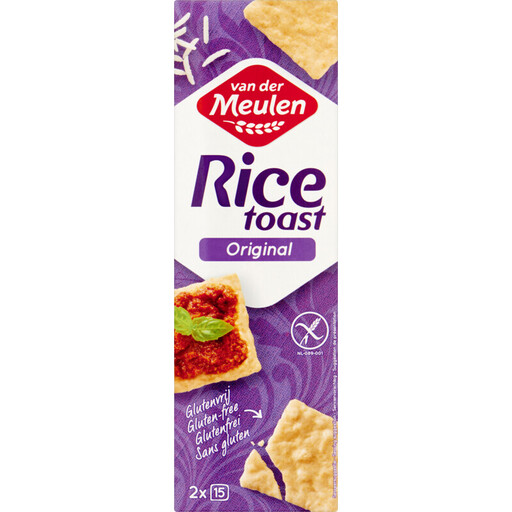 Image unavailable
Van Der Meulen Rice Toast Natural 65 g
This rice toast is an option if you don’t need the round rusk shape. If you’re choosing for someone with coeliac disease, check the gluten-free label and allergen information on the current packaging. Also consider whether the size works for the way you want to serve the sprinkles.
View on Joybuy
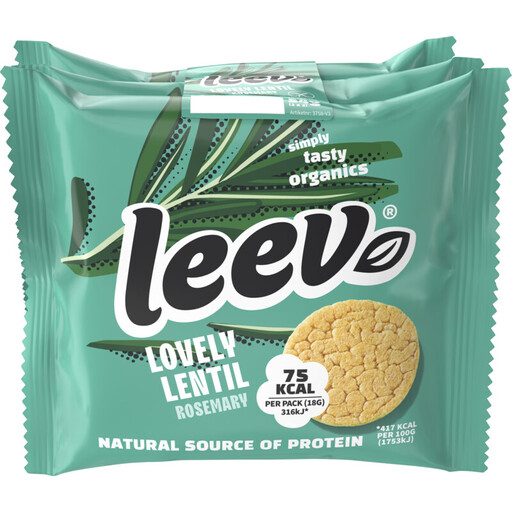 Image unavailable
Leev Organic Rosemary Lentil Wafers 54 g
These lentil wafers are an alternative if you’re considering something other than toast or rusks. This variety contains rosemary, so think about whether the flavour goes with sweet sprinkles. Check the current packaging for the gluten-free label and allergen information.
View on Joybuy
Frequently asked questions
Is toast with no visible wheat suitable for someone with coeliac disease?
No. The absence of visible wheat isn’t a reliable way to check. Choose a specific product whose current packaging says ‘gluten-free’. The Dutch Coeliac Society also identifies the Crossed Grain symbol as a mark of checked gluten-free products.
Can I use De Ruijter pink and white sprinkles?
Not as a gluten-free topping, based on the product information listed by Albert Heijn. It names wheat starch as an ingredient and lists wheat and cereals containing gluten as allergens. If you choose a different topping, check its current packaging again.
Is Bolletje Echte Beschuit gluten-free?
No. According to Bolletje’s ingredients and allergen information, Echte Beschuit contains wheat flour and rye flour, and the product lists cereals containing gluten, wheat and rye.
Does gluten-free rusk always contain iodised baker’s salt?
No, that doesn’t follow from the ‘gluten-free’ label. NBC explains that using iodised baker’s salt is agreed through an industry agreement, but isn’t a legal requirement. If the type of salt used matters to you, check the product’s ingredients.
How should I store gluten-free rusks?
Follow the storage instructions on the packaging of the rusks you buy. Albert Heijn’s product information for Schär Zwieback says to store in a cool, dry place. Seal an opened pack tightly to help keep the rusks crunchy.


