What should you look for when buying?
For people with coeliac disease considering a biscuit-style alternative to Kano biscuits after exercise, a clear gluten-free label is always the first thing to look for. Beyond that, the most important feature will depend on your priorities.
| What to consider |
What to check when buying |
Especially relevant for |
| Gluten-free status and allergens |
Look for the gluten-free label on the packaging and read the current ingredients and allergen list. |
I don’t want to rely on a Kano-style shape when choosing a biscuit for coeliac disease. For around 45% of consumers, checking that a product is gluten-free comes first. |
| Nutrition after training |
Compare the protein per serving and consider whether you’ll have a regular meal after exercising. |
After an intense workout, I want to know how a snack fits in with my next meal. Around 36% of consumers give this nutritional question top priority. |
| Biscuit shape and convenience |
Check the size, packaging and any ingredients relevant to your other dietary requirements. |
When I’m out and about, I want something sweet that’s easy to take with me and also meets my other allergen requirements. For around 19% of consumers, this is the main thing they consider when choosing. |
Products at Joybuy
These products offer two different types of snack for anyone looking for a gluten-free option after exercise: a biscuit as an alternative to Kano biscuits, and granola if you’re not set on a biscuit. If you have coeliac disease, always check the gluten-free label on the current packaging.
 No image available
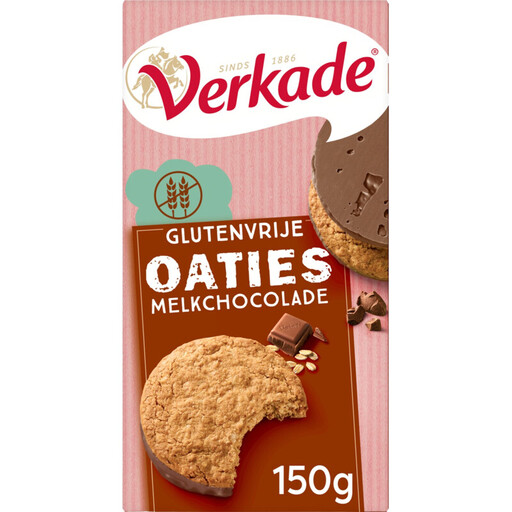
Verkade Gv Oaties Milk Chocolate, 150 g
A biscuit-style option if you fancy something sweet after exercise instead of regular Kano biscuits. When buying, check the gluten-free label, oat ingredients and allergens on the packaging. If protein matters to you, assess the nutritional information per serving separately.
View at Joybuy
 No image available
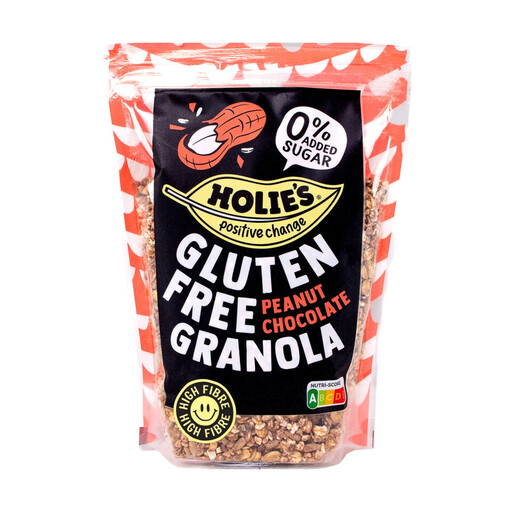
Holie's Granola Glutenfree Peanut Chocolate, 330 g
A gluten-free snack option if you’re not specifically looking for a biscuit: granola is a different type of product to Kano biscuits. If you have other allergies, check the ingredients and allergens, including peanuts, and compare the nutritional information per serving before weighing this snack against your next meal.
View at Joybuy
Frequently asked questions
Are regular Kano biscuits gluten-free?
No. The Jumbo Kano biscuits with buttercream reviewed here aren’t gluten-free: Jumbo lists wheat flour and names gluten and wheat as allergens. If you have coeliac disease, don’t choose a biscuit based on its name or shape; check the packaging of the alternative instead.
What should I look for in a gluten-free biscuit?
If you have coeliac disease, look for a clear gluten-free label, then read the current ingredients and allergen list. According to the Dutch Coeliac Society, the gluten-free label means a product contains less than 20 mg of gluten per kg; the label itself says nothing about other allergens.
How can a gluten-free biscuit still list wheat?
A gluten-free product can contain gluten-free wheat starch. That’s why the gluten-free almond biscuit described by Albert Heijn also lists wheat as an allergen. If you have a wheat allergy, you’ll need to assess whether a product is suitable independently of its gluten-free label.
Is a gluten-free biscuit enough after intense exercise?
A biscuit won’t necessarily be enough if you’re also keeping an eye on your protein intake after intense exercise. The Netherlands Nutrition Centre stresses the importance of getting enough protein from your overall diet, and suggests having a regular main meal after exercise. So consider the serving size and what else you eat, rather than focusing on the biscuit alone.
Should I avoid gluten-free oats if I have coeliac disease?
Not necessarily: according to the Dutch Coeliac Society, most people with coeliac disease tolerate pure oats labelled gluten-free. This isn’t true for everyone, though. If you’re unsure or experience symptoms, speak to your doctor or a specialist dietitian, and check that the oat product you choose is clearly labelled gluten-free.


