What should you look for?
If you have coeliac disease, start by checking for a gluten-free statement and reading the current label. Then compare nutritional value, other allergens and how much preparation you want to do on Sunday.
| What to consider |
What to check when buying |
Who is this most important for? |
| Gluten-free option |
Look for the ‘gluten-free’ statement and read the current label; ‘multigrain’ on its own isn’t enough. |
If I have coeliac disease, I don’t want to rely on a bread’s name or colour. For around 36% of consumers, choosing a confirmed gluten-free product comes first. |
| Nutritional value |
Compare fibre and salt per 100 g using the nutritional information for gluten-free products. |
People who regularly eat bread for breakfast want to know how the nutritional value varies between products. Around 29% of consumers give this comparison top priority. |
| Other allergens |
Check both ‘contains’ and ‘may contain’, and see which ingredients matter to the people you’re sharing the table with. |
If you have another food allergy, the bread needs to suit you as well as being gluten-free. For around 21% of consumers, other ingredients and allergens matter most. |
| Preparation |
Check whether you’re buying sliced bread, bake-at-home rolls or a mix, and read the storage and preparation instructions. |
If I want to sit down to breakfast straight away on Sunday morning, it matters whether the bread still needs to go in the oven. Around 14% of consumers put convenience first. |
Joybuy products for Sunday breakfast
If you’d like to prepare your own bread for Sunday breakfast, take a look at these gluten-free bake-at-home rolls and bread mix. The rolls are white, and the mix isn’t a ready-made loaf; neither is ready-to-eat multigrain bread.
 Image unavailable
Gv Baguette Mini, 7 pieces
For anyone who wants to bake gluten-free rolls for Sunday breakfast. These are white bake-at-home rolls, not ready-to-eat multigrain bread. If you have other allergies, check the current label for information about soya, lupin and mustard.
View at Joybuy
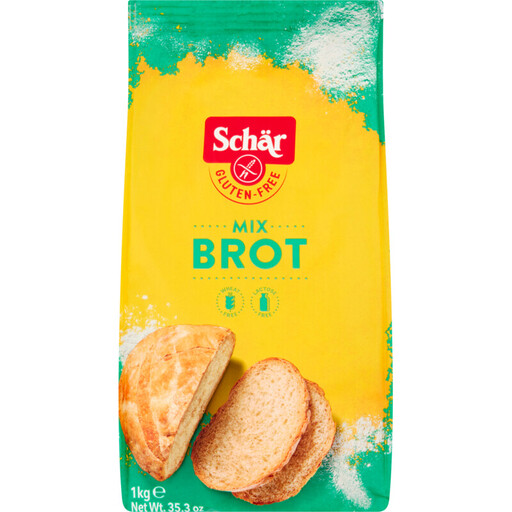 Image unavailable
Schär Mix B gluten-free bread mix, 1 kg
For anyone who wants to bake their own breakfast bread: according to the product information, you can knead the mix by hand or use a bread maker. This is a mix, not ready-to-eat multigrain bread. If you have a soya allergy, check the current label.
View at Joybuy
Frequently asked questions
Is multigrain bread automatically gluten-free?
No. ‘Multigrain’ doesn’t tell you whether bread contains gluten. If you have coeliac disease, choose a product with an explicit ‘gluten-free’ statement and check the current label. Under Commission Implementing Regulation (EU) No 828/2014, this statement means the food contains no more than 20 mg of gluten per kg as sold.
Why should I check fibre and allergens as well as gluten?
Because gluten-free breads can vary in their nutritional value and ingredients. Compare fibre per 100 g and check the allergen information, especially if someone at the table has another food allergy.
Can I buy gluten-free bread before Sunday?
Yes, as long as you can follow the storage instructions for the product you choose. For example, Albert Heijn says that AH Glutenvrij Brood donker meerzaden half can be frozen at home on the day of purchase and should then be used within a month. For other breads, follow the instructions on the packaging.
Does gluten-free multiseed bread always contain iodised salt?
No, don’t assume it does without checking the label. Dutch regulations allow iodine to be added to bread and other bakery products via baker’s salt, but don’t require every loaf to contain this salt. Check the ingredients list for the product you choose.


