If you want to bake Kano biscuits for someone with coeliac disease, start with a baking mix or flour base labelled gluten-free, and check the filling and decoration too. The standard butter Kano biscuits listed on the Albert Heijn and Jumbo product pages contain wheat. If you’re baking Kano biscuits yourself, you’ll also need clean, separate equipment to prevent cross-contamination. A packaged gluten-free biscuit can be a snack alternative, but it won’t replace a Kano biscuit with almond paste.
Who is this choice relevant to?
Home baker with coeliac disease
You want to make Kano biscuits or similar biscuits at home. Both the gluten-free labelling of the ingredients and clean, separate preparation matter. The Dutch Coeliac Society highlights the importance of checking both.
Kano biscuit fan who wants to make their own version
You’re looking for a biscuit with dough and almond paste, and want to choose a gluten-free flour base, a checked filling and a suitable baking tin.
Looking for a ready-to-eat biscuit
You want a packaged gluten-free biscuit without having to bake. Verkade describes its Oaties as gluten-free, but they aren’t Kano biscuits with almond paste.
What should you look for when choosing?
First, check the ingredients and the preparation area. Then choose a flour base to suit your recipe, or a packaged biscuit if you don’t specifically want to bake Kano biscuits.
| What to consider |
What to check when buying |
Who it matters to |
| Ingredients and cross-contamination |
Check the current gluten-free labelling for the dough, filling and decoration ingredients. Make sure your equipment is clean and your preparation area is separate too. |
If I’m baking for someone with coeliac disease, I want to prevent wheat flour, crumbs or flour dust from getting into the dough. Around 42% of consumers put this check first. |
| Dough, filling and shape |
Choose a gluten-free base intended for biscuits and check the almond paste separately. Decide whether an oval baking tin matters to you. |
For me, a Kano-style biscuit needs almond paste; another gluten-free biscuit won’t have the same combination of dough and filling. This is the top priority for around 33% of consumers. |
| Convenience |
Compare a gluten-free self-raising mix with a basic flour that lets you put the recipe together yourself. For a packaged biscuit, check the current packaging. |
If I don’t want to deal with a filling and baking tin, I’d rather choose a ready-to-eat gluten-free biscuit. Convenience comes first for around 25% of consumers. |
Common mistakes when baking gluten-free
-
Assuming almond paste makes the whole Kano biscuit gluten-free
The Albert Heijn and Jumbo product pages list wheat in their standard butter Kano biscuits. The filling doesn’t change the ingredients in the dough.
For gluten-free baking, use a suitable flour base and check every other ingredient separately.
-
Choosing flour because its raw ingredient is naturally gluten-free
With processed flour, possible cross-contamination during production matters too. The Dutch Coeliac Society recommends choosing flour with the Crossed Grain symbol where possible.
Look for clear gluten-free labelling or a suitable certification mark on the current packaging.
-
Preparing gluten-free dough on a shared work surface
According to the Dutch Coeliac Society, crumbs and gluten-containing flour can contaminate an otherwise gluten-free bake.
Clean your work surface and equipment, keep ingredients separate and don’t work with wheat flour that creates airborne dust at the same time.
-
Relying on old packaging or an outdated ingredients list
A product’s ingredients and allergen information can change.
Check the packaging of the product you’re actually going to use every time you buy it.
Brands and product ranges to consider
AH Glutenvrij
A self-raising baking mix for anyone who wants to bake gluten-free biscuits at home.
- Albert Heijn lists biscuits as one use for its gluten-free self-raising baking mix. Ingredients include maize and potato starch, as well as rice flour.
- Check the current packaging: Albert Heijn says the product composition may change. You’ll need to choose the filling for your Kano biscuits separately.
Koopmans
A gluten-free flour base for anyone who wants to decide for themselves what goes into their biscuit dough.
- Jumbo lists biscuits as one use for Koopmans Gluten-Free Base Flour.
- Jumbo’s product information notes that the product may contain egg and milk. Check these allergens separately if they matter to the person eating it.
Jumbo Lekker Vrij
A gluten-free self-raising flour range for home baking.
- The product information for Jumbo Lekker Vrij Gluten-Free Self-Raising Flour states that it is gluten-free and displays the Crossed Grain symbol.
- Jumbo says this particular product is no longer available. If you’re considering another product in the range, check its current packaging.
Verkade
A packaged biscuit alternative for anyone who doesn’t want to bake Kano biscuits themselves.
- Verkade describes Oaties as gluten-free oat biscuits.
- Oaties are neither a baking base nor a Kano biscuit with almond paste. The gluten-free labelling for Oaties doesn’t automatically apply to other Verkade biscuits.
Albert Heijn
A range where it’s important to distinguish between a gluten-free baking mix and standard Kano biscuits.
- Albert Heijn says its gluten-free self-raising baking mix is suitable for biscuits, among other things.
- The allergen information for AH Butter Kano biscuits lists wheat and cereals containing gluten. So choose based on the label of the individual product, not the name of the retailer.
Joybuy products for home baking
This flour base is for anyone who wants to make their own biscuit dough and prepare the filling for Kano biscuits separately. Before use, check that the current packaging is suitable for gluten-free baking.
 No image available
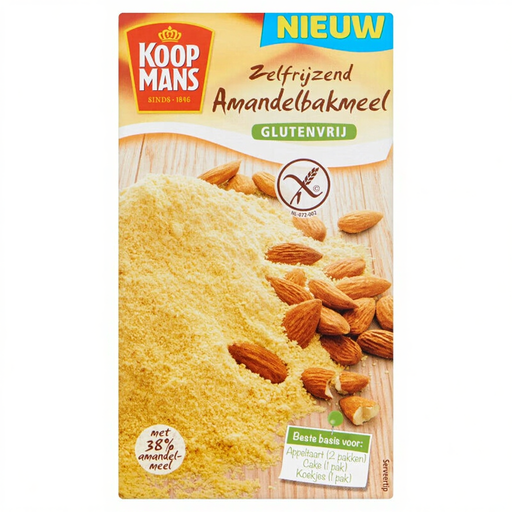
Koopmans Self-Raising Almond Flour, 200 g
For anyone who wants to make their own biscuit dough and choose the Kano filling separately. This is self-raising almond flour in a 200 g pack. Whether it’s suitable for a particular Kano recipe also depends on the other ingredients and proportions. Check the current gluten-free labelling and allergen information on the packaging, and prepare the dough with clean, separate equipment.
View at Joybuy
Frequently asked questions
Are standard Kano biscuits from Albert Heijn or Jumbo gluten-free?
The standard butter Kano biscuits on the Albert Heijn and Jumbo product pages aren’t suitable for gluten-free baking: both list wheat. Check the label on the current packaging when you buy them again, too.
Should I choose self-raising baking mix or gluten-free base flour for Kano biscuits?
A baking mix labelled gluten-free is a good choice if you want to start with a mix that already contains a raising agent. With gluten-free base flour, you decide on the rest of the recipe yourself. Albert Heijn recommends its self-raising baking mix for biscuits, while Jumbo lists biscuits as a use for Koopmans Gluten-Free Base Flour. In either case, check the filling too.
How can I prevent cross-contamination while baking?
Prepare the gluten-free dough separately, on a clean work surface and with clean equipment. Keep ingredients separate and check the baking tray, rack and oven for crumbs. Don’t work with wheat flour that creates airborne dust at the same time. This is in line with the advice from the Dutch Coeliac Society.
What does ‘gluten-free’ on a label mean?
Under EU Implementing Regulation 828/2014, a food labelled ‘gluten-free’ may contain no more than 20 mg of gluten per kg. The label on one baking mix says nothing about any filling or decoration added separately, so check their packaging too.


