What should you look for when choosing?
Start with the gluten-free label and any other allergens. Then choose the type of biscuit you want and check whether it can be ordered for your delivery address.
| What to check |
What to check when buying |
Who it matters to |
| Gluten-free label |
Check for the ‘gluten-free’ label in the latest product information and again on the packaging you receive. Read the allergen information too. |
When I’m ordering for someone with coeliac disease, I want to be able to check the label on the biscuit delivered, even if it looks like a familiar biscuit. For around 42% of consumers, this check comes first. |
| How closely it matches a Kano |
Compare a gluten-free filled biscuit with a crunchy oat biscuit or speculaas; look at the filling, ingredients and quantity per biscuit. |
If you’re mainly looking for the experience of a filled biscuit, you won’t want to accidentally choose a crunchy biscuit instead. For around 33% of consumers, finding a close match matters most. |
| Online choice and delivery |
Browse the range after selecting your postcode or store, then check the product in your basket. |
When I shop online, I want to be able to order a suitable biscuit along with the rest of my groceries. For around 25% of consumers, ease of ordering is the top priority. |
According to the Dutch Coeliac Society, the ‘gluten-free’ label means that a product contains less than 20 mg of gluten per kilo. The label alone doesn’t tell you whether other allergens are present, and product information and recipes can change. So an image or search result is no substitute for checking the label on the biscuit you receive.
Brands to compare
These brands offer different types of gluten-free biscuits. Compare the specific product: a filled biscuit, oat biscuit and speculaas won’t meet the same needs.
AH Glutenvrij
Albert Heijn’s range includes a 60 g gluten-free filled biscuit. Albert Heijn says it is made in a completely gluten-free environment.
- A filled biscuit is the closest match to look at if you’re after the filling of a Kano.
- Albert Heijn also lists egg, soya, lupin, almond and wheat for this variety. Check the latest packaging.
Jumbo Lekker Vrij
Jumbo shows a range of gluten-free biscuits and cakes online, including Jumbo Gluten-Free Filled Biscuit, 60 g.
- You can compare a filled biscuit with other types of gluten-free biscuit.
- Once you’ve selected your postcode, check which products can actually be included in your order.
Verkade
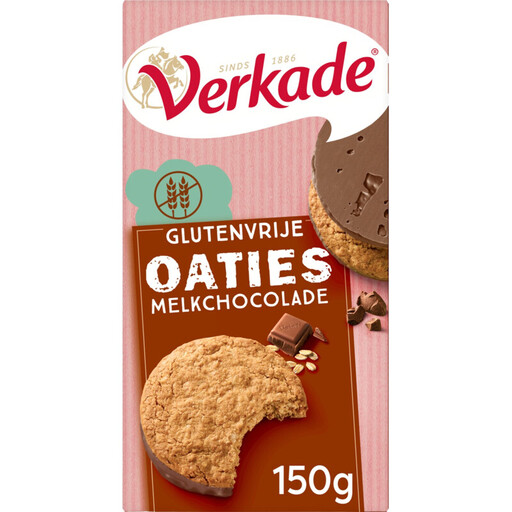
Verkade Oaties Milk Chocolate is a gluten-free oat biscuit available online from retailers including Joybuy and Albert Heijn.
- A good option if you’d prefer a crunchy biscuit with milk chocolate to a filled biscuit.
- This variety contains oats, milk and soya, among other ingredients. Joybuy also notes that a small number of people with coeliac disease may be sensitive to avenin in this product.
Schär
Schär offers gluten-free speculaas, which is available online from PLUS.
- Speculaas is a good choice if you’re after a crunchy, spiced biscuit rather than a filled one.
- The speculaas described by PLUS lists lupin and may contain soya.
Consenza
Consenza offers organic gluten-free raisin and cranberry biscuits, which are available online from PLUS.
- A different flavour and type of biscuit if you’re not looking for a filled one.
- This product contains oats and may contain nuts. Check the latest packaging if these ingredients matter to you.
A crunchy alternative at Joybuy
This oat biscuit is for anyone looking for a gluten-free biscuit to order online who doesn’t need the filling of a Kano. Remember to check the packaging you receive before eating it.
 No image available
Verkade Gluten-Free Oaties Milk Chocolate 150 g
For anyone looking for a crunchy gluten-free oat biscuit with milk chocolate instead of a filled biscuit.
The pack contains 150 g. Check the packaging you receive for the gluten-free label and allergen information. Joybuy notes that a small number of people with coeliac disease may be sensitive to avenin in oats.
View at Joybuy
Frequently asked questions
Is a wheat-free biscuit automatically suitable if I’m looking for gluten-free options?
No, ‘wheat-free’ is not a substitute for the ‘gluten-free’ label. According to the Dutch Coeliac Society, ‘gluten-free’ means less than 20 mg of gluten per kilo of product. Check the latest packaging for this label and read the other allergen information too.
Why might wheat be listed on a gluten-free filled biscuit?
An ingredient from a gluten-containing grain may be listed even though, according to the Dutch Coeliac Society, the product remains below the threshold for the ‘gluten-free’ label. Albert Heijn lists both the gluten-free label and wheat in the allergen information for its gluten-free filled biscuit. Check the latest label for any other ingredients that matter to you too.
Can I order a gluten-free alternative to a Kano online?
Yes, Albert Heijn and Jumbo show gluten-free filled biscuits online, while PLUS lists other types of gluten-free biscuit. Whether a product can be included in your order depends on factors such as your postcode, store and ordering time. So check the product in your basket, then check the packaging when it arrives.
Is a gluten-free oat biscuit the same as a gluten-free filled biscuit?
No, an oat biscuit such as Verkade Oaties doesn’t have the filling of a filled biscuit. Joybuy describes the oats used as gluten-free and notes that a small number of people with coeliac disease may be sensitive to avenin in Oaties. Check the packaging for the gluten-free label, oats and any other relevant ingredients.


