
Vandaag of morgen in huis

Kwaliteit gegarandeerd

Welkomstaanbiedingen ontgrendelen: GRATIS bezorging | Tot 80% korting | Gratis 30 dagen JoyPlus-proefperiode
Download de app
Whether you're following a gluten-free diet, creating an authentic international dish, or simply love to experiment in the kitchen, the world of gluten-free flour can be overwhelming. The shelves are packed with options, but not every flour is suitable for every recipe. The wrong choice can quickly lead to a failed bake or a dish that doesn't taste the way it should.
As a Product Recommendation Officer at Joybuy, I see where things often go wrong. Avoid wasting money by watching out for the following pitfalls:
To avoid disappointment, it's important to look beyond just the "gluten-free" label. The properties of the flour determine the final result. Pay close attention to the following three points.
The base ingredient determines the flavour, texture, and baking properties.
It's not just the type of grain, but also its processing that is crucial. The difference between regular corn flour and masa harina is a prime example. For masa harina, the corn is first cooked in an alkaline solution (usually with limewater) before being dried and ground. This process, called nixtamalization, completely changes the corn's structure, making the dough cohesive and elastic. Without this specific flour for arepas, you'll never achieve the right result.
Always check the ingredients list. Some flours are pure, single-ingredient products, while others are blends with added leavening agents, starches, or other flours. For example, a self-rising almond flour might also contain rice flour and lupin flour. Also, check the allergen information, especially if you are sensitive to cross-contamination with gluten, soy, or nuts.
To help you get started, we've highlighted a few products that cater to specific needs and cooking styles.
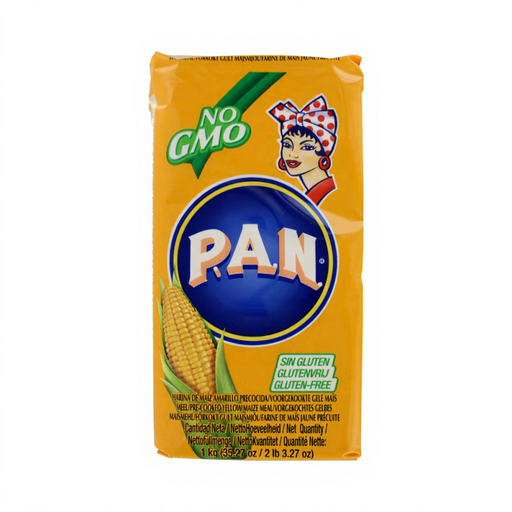
Why it's a match: This is the essential flour for anyone wanting to make authentic Latin American dishes like arepas, empanadas, or tamales. If you're an expat or a foodie searching for that genuine taste, this is the right choice.
This isn't standard corn flour, but pre-cooked masa harina. This helps you avoid the classic mistake of trying to make a dough with regular corn flour, which would just fall apart.
Guarantees the right texture and flavour for traditional recipes. It's naturally gluten-free and easy to use.
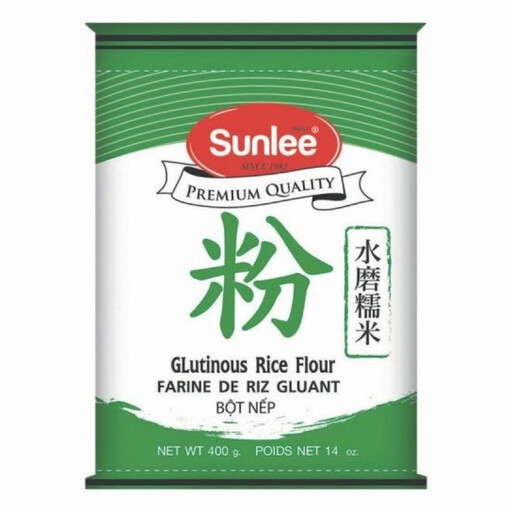
Why it's a match: For anyone who dreams of making homemade mochi, tangyuan, or other Asian delicacies with that signature chewy texture. This flour is the indispensable foundation.
This is ketanmeel (glutinous rice flour), not to be confused with regular rice flour. It clears up the confusion around the term 'glutinous': it's gluten-free but provides the sticky structure you need.
Made from Thai Hom Mali glutinous rice, which ensures an authentic, soft, and chewy texture in your desserts.
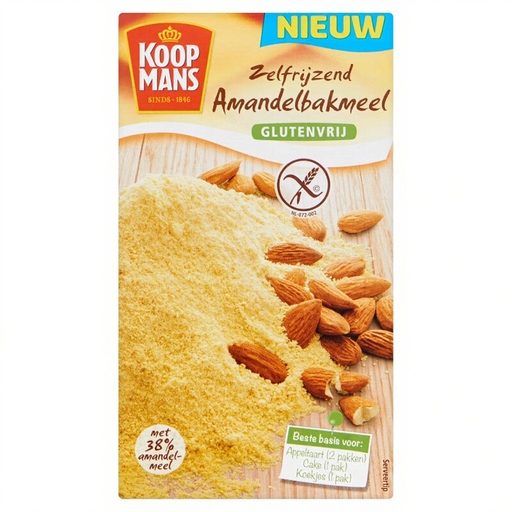
Why it's a match: Ideal for the home baker who wants to make delicious gluten-free cakes, pies, or cookies without the hassle. This mix takes the guesswork out of the equation and ensures a reliable result.
This is a thoughtful blend, not a single-ingredient flour. It solves the "one-flour-fits-all" pitfall by combining almond flour, rice flour, and leavening agents for an optimal baking result.
The added leavening agents ensure a light and airy final product, something that is often difficult to achieve in gluten-free baking. Please note: contains almond and lupin.
We've compiled a complete, up-to-date list of products that meet our strict selection criteria and all relevant regulations.
What is the difference between rice flour and glutinous rice flour? Although both are made from rice, they come from different rice varieties. Regular rice flour is neutral and used for a light, sometimes slightly crumbly texture. Glutinous rice flour (or sweet rice flour) is made from sticky rice. It contains a high amount of amylopectin, a starch that creates a sticky, elastic, and chewy texture when heated. Therefore, they are not interchangeable.
Can I use regular corn flour from the supermarket to make arepas? No, that is unlikely to be successful. For authentic arepas, you need pre-cooked corn flour, known as masarepa or masa harina, like the flour from P.A.N. Regular corn flour (or polenta) lacks the right chemical structure to form a cohesive and pliable dough, which will cause your arepas to fall apart during cooking.
Is almond flour suitable for every gluten-free recipe? Not always. Almond flour is high in fats and protein and low in starch. This makes it great for moist cakes and cookies, but less suitable for recipes that require a lighter, airier structure, like bread. For the best results, almond flour is often blended with other gluten-free flours, such as rice or tapioca flour, to balance the texture.
