What should you look for when choosing?
Start by checking for a gluten-free claim and considering how to avoid contact with regular toast. Then compare how easy the snack is to take with you and which other ingredients matter to you.
| What to consider |
What to check when buying |
Who it matters to |
| Gluten-free and kept separate |
Look for an explicit ‘gluten-free’ claim on the packaging. For unpackaged food, ask about the ingredients and whether it is prepared separately. |
If I have coeliac disease, I want to stop regular toast or crumbs from touching my snack. For around 50% of consumers, this is the most important factor when choosing. |
| Taking it with you and serving it |
Check the storage instructions and keep the pack sealed until you are ready to eat; find a clean place to enjoy your snack. |
When I pack food to take with me, I want to open it at the festival and keep it separate from other snacks. For around 30% of consumers, this practical aspect comes first. |
| Other ingredients and nutritional information |
Read the allergen information and compare salt per 100 g if relevant. For bread-like products, check separately whether baker’s salt is listed in the ingredients. |
As well as being gluten-free, my choice needs to suit the ingredients I avoid or the nutritional information I compare. For around 20% of consumers, this is the most important additional consideration. |
Toast-style products on Joybuy
These rice toasts and lentil wafers are options to consider as crunchy snacks. If you have coeliac disease, check the gluten-free claim on the latest packaging before eating them, and think about how to keep them separate from regular toast when taking them with you.
 Image unavailable
Van Der Meulen Rice Toast Natural 65 g
Rice toast is a toast-style snack you can take with you; the product description says this variety is gluten-free. If you have coeliac disease, check the latest packaging and avoid contact with regular toast while transporting and serving it.
Pack size: 65 g. If you have a soya or sesame allergy, check the allergen information on the packaging before choosing.
View on Joybuy
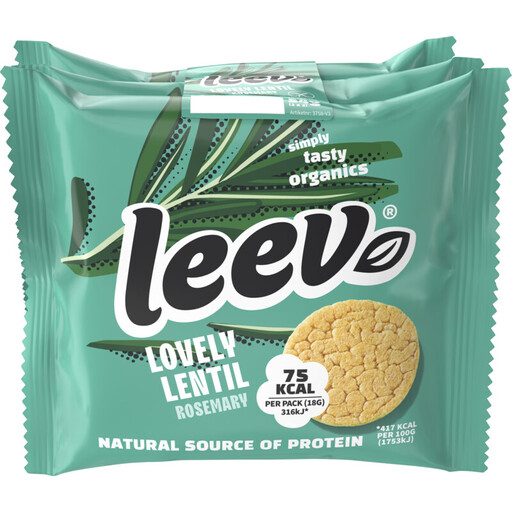 Image unavailable
Leev Organic Rosemary Lentil Wafers 54 g
These lentil wafers are a crunchy alternative to toast; the product description says they are gluten-free. If you have coeliac disease, check the latest label and keep the snack separate from products containing gluten when taking it with you.
Pack size: 54 g. If you have a milk or soya allergy, check the allergen information before choosing.
View on Joybuy
Frequently asked questions
Can I eat regular toast or Melba toast if I have coeliac disease, as long as the topping does not contain wheat?
Do not assume so: the toast itself must also be explicitly labelled gluten-free. Jumbo lists wheat flour and wheat gluten in its regular Knapperige Toast (Crispy Toast), so check the label of the individual product, whatever the topping.
What should I ask about gluten at a festival stall?
Before buying, ask which allergens are present in the unpackaged food and how it is prepared. According to the Netherlands Food and Consumer Product Safety Authority, allergen information must be available for unpackaged food. Also ask whether tongs and work surfaces are shared, as information about the ingredients alone will not tell you.
Is gluten-free toast also free from egg, soya, nuts and sesame?
No, this varies from product to product. Jumbo lists egg and oats in Gluten Free Bakery Holland Toastjes Italiaans Gekruid (Italian Herb Toasts) and warns that they may contain nuts and sesame, among other allergens. Albert Heijn lists soya in Laurieri Scrocchi sea salt crackers. Check the latest packaging for the variety you want to buy.
Does gluten-free toast always contain iodine from baker’s salt?
No, the gluten-free claim does not tell you whether baker’s salt has been used. According to the Voedingscentrum, bakers are not required to use it. Check the ingredients of the specific product rather than assuming it provides a set amount of iodine.


