Who is this choice relevant to?

People with coeliac disease who want to check the label

You’re looking for a product with an explicit gluten-free claim for your snack cupboard, and you also check for warnings about cereals containing gluten. An ingredients list that simply doesn’t mention wheat isn’t enough to make that choice.

Egg cake shoppers with additional allergen requirements

You want a gluten-free egg cake, but also need to consider allergens such as egg, milk, soya, nuts, sesame or sulphites. In that case, the ingredients and allergen warnings for each product are key.

People stocking up who are happy with a different kind of snack

You’re looking for a range of gluten-free snacks and would also choose a cake or oat biscuit if an egg cake isn’t available. Before stocking up, compare the type of snack, the best-before date and the storage instructions.

What should you look for when buying?

If you have coeliac disease, first check for a gluten-free claim on the packaging. Then compare the other allergens and work out how much you’ll use before the best-before date, including when looking for snacks at a chemist’s.

What to consider What to check when buying Who is it important for?
Gluten-free claim Look for ‘gluten-free’ on the current packaging and read any warnings about cereals containing gluten. When I’m stocking up on snacks because of coeliac disease, I don’t want to rely on the ingredients list alone. I also check for possible cross-contamination; this is the most important check for around 50% of consumers.
Other allergens Compare the ingredients, allergen information and warnings with the things you need to avoid. I want a gluten-free egg cake that also suits my other allergen requirements, so I don’t end up with unsuitable items in my cupboard. Around 30% of consumers give this top priority.
Stock and type of snack Check the pack sizes, best-before date and storage instructions; decide whether a cake or oat biscuit would also suit you. When I buy several snacks, I want to be able to use them in time and, if needed, be happy with a different kind of biscuit. For around 20% of consumers, convenience when stocking up comes first.

Common mistakes

  • Assuming ‘wheat-free’ means ‘gluten-free’

    A product can come into contact with cereals containing gluten during production, even if wheat isn’t listed among the ingredients. The Dutch Coeliac Society points out that a warning about these cereals can indicate a risk of more than 20 mg of gluten per kg.

    If you have coeliac disease, check for an explicit gluten-free claim and read the warnings on the packaging.

  • Overlooking other allergens

    Gluten-free doesn’t mean free from other allergens. Albert Heijn lists egg, milk and soya, among other ingredients, in its AH Glutenvrij Eierkoeken; Happy Bakers lists egg and sulphites in its egg cakes and also handles milk and nuts in its bakery.

    Before stocking up, read the ingredients, allergen information and any warnings on the packaging you’ve chosen.

  • Expecting an oat biscuit to be the same kind of snack

    A gluten-free oat biscuit or cake doesn’t have the same shape and texture as a soft egg cake. Verkade Oaties, for example, is an oat biscuit.

    Choose this kind of alternative only if a different type of snack works for you, and check its gluten-free claim too.

  • Placing a larger order without checking the best-before date

    Albert Heijn describes its three-pack of egg cakes as three individual items. For an order from Happy Bakers, the best-before date on arrival also matters when deciding how many you can use.

    Before deciding how much to buy, check the number of individual packs, the best-before date and the storage instructions.

Brands to consider

AH Glutenvrij

A product range that includes egg cakes for anyone looking specifically for the classic egg cake shape.

  • Albert Heijn describes AH Glutenvrij Eierkoeken as gluten-free and made in a completely gluten-free environment; the stated pack size is 100 g.
  • The egg cakes contain egg, milk, lactose and soya, among other ingredients, and may contain sesame and nuts. Check the current packaging.

Maître Mathis

A gluten-free egg cake option to compare as a product type, rather than rely on as a regular stock-up choice.

  • Albert Heijn lists a gluten-free Maître Mathis egg cake on its product page.
  • The product page also says ‘Discontinued’. Check current availability before relying on this option.

Happy Bakers

A specialist bakery with a gluten-free egg cake option for anyone also looking for a lactose-free recipe.

  • Happy Bakers says its egg cakes are made in a completely gluten-free bakery and are free from wheat, gluten and lactose.
  • The product contains egg and sulphites; the bakery also handles milk and nuts. If you’re stocking up, check the best-before date and storage instructions.

Schär

A brand offering gluten-free biscuits and cakes for anyone happy with a different kind of sweet snack.

  • Schär showcases gluten-free biscuit and cake products as possible snack alternatives.
  • A biscuit or cake isn’t an egg cake. Check the packaging of the specific product for ingredients, allergens and portion size.

Verkade

A brand offering Oaties, a gluten-free oat biscuit for anyone looking for a crunchy alternative.

  • Verkade describes Oaties as gluten-free and says they’re made with gluten-free oat flakes and gluten-free oat flour.
  • Oaties aren’t soft egg cakes. Check the current gluten-free claim and allergen information for the option you choose.

Joybuy products: a biscuit alternative

This oat biscuit is for anyone happy with a different kind of snack from a soft egg cake. Before adding it to your cupboard, check the current gluten-free claim, allergens and best-before date on the packaging.
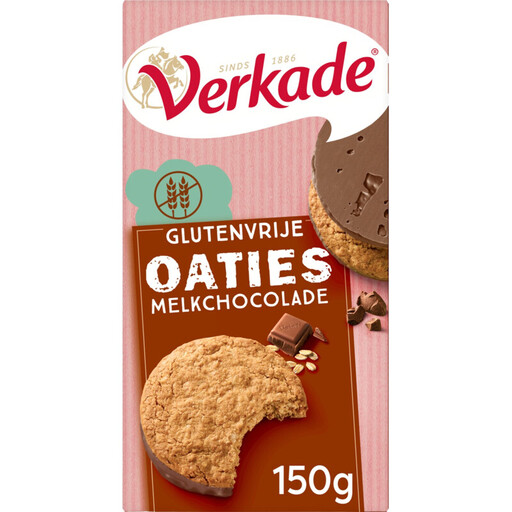
Verkade Gv Oaties Milk Chocolate, 150 g

Verkade Gv Oaties Milk Chocolate, 150 g

A crunchy oat biscuit for when you don’t need a soft egg cake. This Milk Chocolate variety comes in a 150 g pack; check the current packaging if you need to avoid or consider oats, milk, soya or nuts.

Joybuy

Frequently asked questions

When can a snack be labelled ‘gluten-free’?

Under Implementing Regulation (EU) No 828/2014, a food product in the EU may use this claim if the finished product contains no more than 20 mg of gluten per kg. Check the claim on the packaging you buy.

Is an egg cake with no wheat in the ingredients automatically gluten-free?

No. Ingredients that don’t include wheat don’t rule out contact with cereals containing gluten during production. If you have coeliac disease, look for an explicit gluten-free claim and read any warnings; the Dutch Coeliac Society points out that a product with such a warning may contain more than 20 mg of gluten per kg.

Should I check for other allergens in a gluten-free egg cake?

Yes, because gluten-free says nothing about the other allergens in a product. The Netherlands Food and Consumer Product Safety Authority says that allergen information must appear on the label of prepacked foods. Compare this information and any warnings with the things you need to avoid.

Can a gluten-free oat biscuit replace an egg cake?

If you’re mainly looking for a sweet gluten-free snack and don’t specifically want a soft egg cake, an oat biscuit could be an alternative. Verkade describes Oaties as gluten-free, but it’s still a different kind of biscuit. Check the packaging of the variety you choose, especially if oats are something you need to consider.

What should I look for when stocking up on egg cakes?

Choose the number of packs to suit the best-before date and follow the storage instructions for the product. Albert Heijn describes its three-pack of egg cakes as individual items; Happy Bakers recommends storing its egg cakes in a dry, dark place in a sealed container.
