Choose a ready-made gluten-free egg cake if you want to serve something soft with your tea without spending time baking, and the current label meets your needs. If you’d rather choose the ingredients yourself, you can bake with a gluten-free mix, as long as you also avoid contact with gluten during preparation. A gluten-free oat biscuit is only an alternative if you don’t mind missing out on the soft texture of an egg cake.
Who is this choice important for?
Tea drinker with coeliac disease
You’re looking for a soft treat that’s ready to serve. The gluten-free claim on the current packaging is your first check; you should also read the ingredients. The Dutch Coeliac Society advises checking the gluten-free label when choosing products.
Shopper with additional allergies
As well as gluten, you may need to avoid egg, milk, soya, nuts or sesame. So read the ingredients and warnings on the packaging you’re actually buying; the product information from Albert Heijn and Jumbo lists these allergens for the egg cakes they describe.
Home baker who wants to choose the ingredients
You’d rather choose your own gluten-free mix and any other ingredients. However, you’ll need to store ingredients separately and use clean equipment, as recommended by the Dutch Coeliac Society for gluten-free baking.
What should you look for when choosing?
Ready-made egg cake
A good fit if: you want a soft egg cake without the time spent baking, and the current packaging suits your diet.
The trade-off: the gluten-free egg cakes described by Albert Heijn and Jumbo contain egg, milk and soya; check their warnings about possible traces too.
Bake your own
A good fit if: you want to choose the mix and other ingredients yourself.
The trade-off: baking takes preparation and requires a clean work area, separate from gluten-containing ingredients.
Gluten-free tea biscuit
A good fit if: you’re looking for a biscuit to have with your tea and don’t need a soft egg cake.
The trade-off: Verkade describes Oaties as crunchy oat biscuits, not egg cakes.
| What to consider |
What to check before buying |
Who it matters to |
| Gluten-free claim |
Look for the claim on the current packaging; if you order online, check the label again when your order arrives. |
If I have coeliac disease, I want to choose an egg cake to have with my tea without relying on its appearance or product name. The gluten-free claim is the top priority for around 42% of consumers. |
| Other allergens |
Read the ingredients and any warnings about possible allergens on the exact packaging you’re buying. |
If I also need to avoid egg, milk, soya, nuts or sesame, gluten-free on its own isn’t enough. Checking for additional allergens is the top priority for around 25% of consumers. |
| Convenience and availability |
Check the number of items, pack weight and current availability at the shop. |
If I want something to serve with my tea without baking, I need a pack I can pick up and serve straight away. This convenience is the main priority for around 17% of consumers. |
| Choosing your own ingredients |
Choose a suitable gluten-free mix and make sure you use clean equipment and store ingredients separately. |
When I bake, I want to decide which ingredients go into my egg cakes and set aside time to prepare them carefully. This freedom of choice matters most to around 16% of consumers. |
Common mistakes
-
Assuming ‘gluten-free’ means free from all allergens
The gluten-free egg cakes described by Albert Heijn and Jumbo contain egg, milk and soya. Their product information also mentions the possible presence of nuts and sesame, among other things.
Use the gluten-free claim as your first filter, then read the full allergen information on the current packaging.
-
Assuming an old product page means the item is still available
Albert Heijn still shows product information for Maître Mathis gluten-free egg cakes, but marks that pack as discontinued.
Check whether the exact pack is available from your shop or delivery service just before you buy.
-
Baking at home without considering contact with gluten
Gluten-containing flour or shared, unclean kitchen equipment can get into gluten-free batter during preparation.
Keep ingredients separate and use a clean worktop, baking tins and kitchen equipment. The Dutch Coeliac Society offers guidance on setting up a gluten-free kitchen.
Storing ingredients separately and cleaning equipment takes extra preparation.
Brands to consider
AH Glutenvrij
Albert Heijn describes its gluten-free egg cakes as a 100 g pack containing two portions.
- According to the product page, the egg cakes are made in a completely gluten-free environment.
- The product information lists egg, milk, soya and lactose, as well as the possible presence of sesame and nuts. Check the current label, as information can change.
Gluten Free Bakery Holland
Jumbo describes a pack containing two gluten-free egg cakes, weighing 100 g in total.
- The ingredients listed by Jumbo include 19% free-range egg.
- The product information lists egg, milk and soya, and the possible presence of almonds, hazelnuts, other nuts and sesame.
Maître Mathis
Albert Heijn lists a gluten-free egg cake pack from this brand as discontinued.
- Don’t assume it’s available based on saved product information; check whether the exact pack is on sale anywhere.
Verkade
Verkade describes Oaties as gluten-free oat biscuits for anyone considering a crunchy biscuit to have with their tea.
- An alternative if you don’t need the soft texture of an egg cake.
- Oaties are oat biscuits, not egg cakes; check the current ingredients and allergen information for the variety you choose.
A biscuit alternative on Joybuy
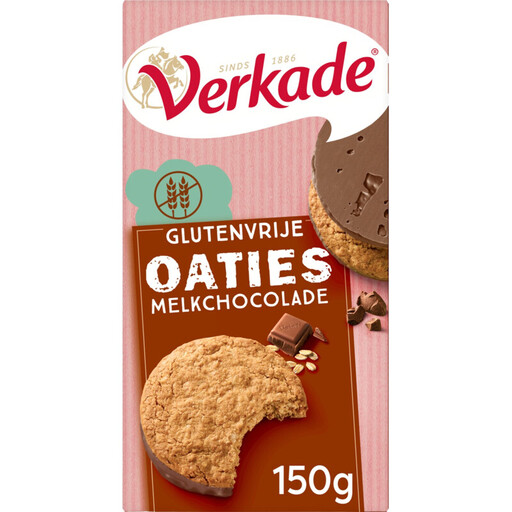
This Verkade Oaties variety is for enjoying with your tea when a crunchy oat biscuit will do. If you’re specifically looking for a soft gluten-free egg cake, this is a different type of product.
 No image available
Verkade Gv Oaties Milk Chocolate, 150 g
For enjoying with your tea if you fancy an oat biscuit with milk chocolate instead of a soft egg cake.
Pack weight: 150 g. Before eating, check the gluten-free claim, ingredients and allergens on the current packaging, especially if you need to avoid ingredients other than gluten.
View on Joybuy
Frequently asked questions
What should I look for when choosing an egg cake if I have coeliac disease?
Start with the gluten-free claim on the current packaging and read the ingredients too. The Dutch Coeliac Society advises checking the product label when choosing gluten-free products; an egg cake that looks the same won’t necessarily have the same ingredients.
Are gluten-free egg cakes also free from egg, milk and soya?
No. The egg cakes described here by Albert Heijn and Jumbo contain egg, milk and soya; their product information also mentions the possible presence of nuts and sesame, among other things. Check the allergen information on the exact pack.
Can I bake gluten-free egg cakes in a kitchen where gluten is also used?
Yes, as long as you keep the ingredients and preparation carefully separate. Use a suitable gluten-free mix and work with clean hands, a clean worktop and clean kitchen equipment; store the ingredients separately from gluten-containing products. This follows the kitchen advice from the Dutch Coeliac Society.
Does ‘may contain’ mean an allergen has been added as an ingredient?
No. According to the Netherlands Nutrition Centre, this kind of warning indicates possible cross-contamination, not an ingredient that has been deliberately added. If you need to avoid the allergen mentioned, consider the warning separately from the ingredients list.


