What should you look for when choosing?
For coffee in a hotel room, a packaged, ready-to-eat egg cake is usually more practical than baking your own. The best way to buy one then depends on when you can shop and what you need to check on the packaging.
Supermarket egg cakes
When: If you want to buy a ready-to-eat product shortly before or during your stay.
Consider: Check the packaging itself: Albert Heijn points out that online ingredient and allergy information can change.
Egg cakes from a gluten-free bakery
When: If you can order in advance and want to take the production environment into account.
Consider: Happy Bakers says its egg cakes are made in a fully gluten-free bakery; this claim from the seller doesn’t replace checking the current packaging.
Bake your own
When: Only if you have an oven, the necessary baking equipment, gluten-free ingredients and a clean place to prepare them.
Consider: The preparation involved and the need to prevent cross-contamination make this less straightforward for a coffee break in a hotel room.
| What to consider |
What to check when buying |
Who it matters to |
| Gluten-free statement and cross-contamination |
Read the current gluten-free statement and any warnings; use clean crockery when serving. |
If I’m taking an egg cake for someone with coeliac disease, I want to know what the packaging says and avoid contact with bread crumbs. This check would be the top priority for around 50% of consumers. |
| Ready to eat and a suitable pack size |
Check how many pieces are in the pack and follow the storage instructions on the label. |
For a short stay, I want something to have with my coffee without baking or having lots left over. Convenience would come first for around 30% of consumers. |
| Ingredients and availability |
Read the ingredients and allergen information for the exact variant, and choose a retailer that suits your plans. |
If I also need to check other ingredients, the label helps determine which option I can take with me. This would be the main purchasing priority for around 20% of consumers. |
Snack alternatives at Joybuy
These products are waffles and granola to enjoy with coffee, not egg cakes. If you’re looking for a gluten-free alternative, check the statement on the current packaging; the product name alone isn’t enough.
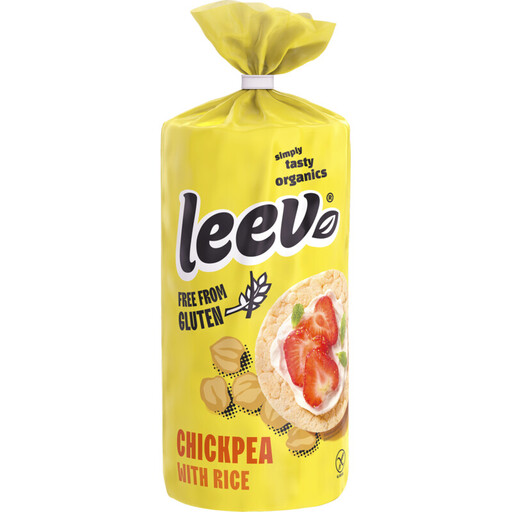 Image unavailable
Leev BIO Chickpea Waffles 100 g
Waffles are an alternative if you’re not specifically looking for an egg cake. If you’re choosing them for someone with coeliac disease, check that the current packaging explicitly says ‘gluten-free’ and read any warnings.
View at Joybuy
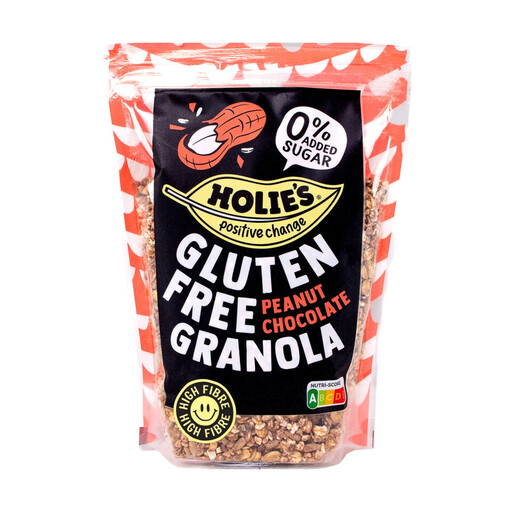 Image unavailable
Holie's Granola Glutenfree Peanut Chocolate 330 g
Granola with peanuts and chocolate is an alternative if you’re not looking for an egg cake. Check the current packaging for the gluten-free statement, ingredients and allergens; when serving, keep the granola separate from food containing gluten.
View at Joybuy
Frequently asked questions
When can an egg cake be labelled ‘gluten-free’?
Under Commission Implementing Regulation (EU) No 828/2014, this label may be used if the food contains no more than 20 mg of gluten per kg as sold to the final consumer. When buying, check the statement on the current packaging, not just the online product name.
What should I look out for with a gluten-free egg cake in a hotel room?
Check the packaging, then prevent the egg cake from coming into contact with food containing gluten. The Dutch Coeliac Society highlights the risk of cross-contamination from crumbs and utensils, among other things. Use clean crockery and don’t use cutlery that has also been used for ordinary bread.
Is the online ingredients list enough to choose an egg cake?
Check the physical packaging too. Albert Heijn warns that product ingredients, nutritional information and allergy information can change, so check the details on the pack you’re actually buying.
Is a gluten-free oat biscuit the same as an egg cake?
No. It’s a different type of biscuit and, at most, an alternative for the same coffee break. Check the gluten-free statement and oat information for the exact variant; the Dutch Coeliac Society notes that a small number of people with coeliac disease may also react to pure gluten-free oats.
Which other allergens should you look out for in gluten-free egg cakes?
It varies from one product variant to another. For example, Happy Bakers lists egg and sulphites in its egg cakes. Check the full ingredients and allergen information on the current packaging before choosing one.


