Who are these choices relevant to?

An Easter host welcoming a guest with coeliac disease

Looking for an explicitly labelled gluten-free biscuit and a separate place to serve it. The Netherlands Nutrition Centre points out that even a stray crumb of gluten can matter to someone with coeliac disease.

Someone shopping for a special-occasion biscuit

Looking for something like speculaas, Easter biscuits or ring biscuits to serve with coffee or brunch. Whichever variety you choose, check that it’s labelled gluten-free, look out for other allergens and check it’s currently available.

Someone choosing oat or chocolate biscuits

Comparing a gluten-free biscuit with other ingredient preferences in mind. Joybuy’s product information for Verkade Oaties notes that some people with coeliac disease may be sensitive to oat protein; also check the packaging for other allergens.

What should you look for?

Start by checking the gluten-free label and how you’ll serve the biscuits. Then choose a flavour or Easter shape to suit the occasion, and check whether that particular variety is available.

What to consider What to check when buying Who it matters to
Gluten-free status and crumbs Look for a gluten-free label or the Crossed Grain mark; when serving, keep regular biscuits and their crumbs separate. If a guest has coeliac disease, I want to offer a clearly labelled gluten-free product without crumbs from the rest of the Easter table. For around 50% of consumers, that reassurance comes first.
Flavour and Easter shape Once you’ve checked that it’s gluten-free, compare the flavour and shape of the specific variety. For a coffee break, I’m looking for a biscuit that feels right for Easter in its flavour or presentation. Around 30% of consumers give this the highest priority.
Choice and availability Check the current range and read the label on your chosen pack again when you buy it. If I want to do all my shopping in one place, I need to be able to find a suitable gluten-free biscuit. This practical consideration matters most to around 20% of consumers.

Common mistakes

  • Choosing regular speculaas as a gluten-free alternative

    A suitable flavour doesn’t mean a biscuit is gluten-free. Lotus Bakeries lists wheat flour in its standard Lotus Biscoff Original Speculoos.

    If you’re buying for someone with coeliac disease, choose a specific speculaas variety labelled gluten-free and check the current packaging.

  • Checking only whether wheat is listed as an ingredient

    A biscuit without wheat as an ingredient isn’t automatically labelled gluten-free. Contact with gluten during processing can also be relevant.

    First look for a gluten-free label or the Crossed Grain mark, then read the ingredients and allergen information.

  • Assuming gluten-free means free from other allergens

    A gluten-free label doesn’t tell you whether a product contains, for example, egg, milk, soya or nuts. Jumbo lists egg and the possible presence of other allergens for its Lekker Vrij van Gluten Speculaas.

    Check the allergen information on the specific pack for each guest.

  • Assuming a seasonal product will be available without checking

    A biscuit or ring biscuit appearing in a range doesn’t mean your chosen variety will be available when you shop.

    Check what’s currently available and keep another explicitly labelled gluten-free biscuit in mind as a backup.

Brands to compare

Jumbo Lekker Vrij

Jumbo’s range includes gluten-free speculaas and syrup waffles to enjoy with coffee.

  • Jumbo’s product information shows the Crossed Grain mark on Lekker Vrij van Gluten Speculaas 125 g.
  • That particular speculaas contains egg and may contain other allergens. Check the packaging if your guests have other allergen requirements.

Albert Heijn Glutenvrij

Albert Heijn offers its own gluten-free biscuits alongside varieties from other brands, including speculaas and oat biscuits.

  • You can compare different flavours and types of biscuit for an Easter coffee break.
  • Albert Heijn warns that product information can change; check the current packaging for ingredients and allergens.

Consenza

Consenza lists gluten-free Easter biscuits and Easter ring biscuits on its product range page.

  • An option to consider if you’re looking for a recognisably Easter-themed shape.
  • Check that your chosen seasonal variety is available and review its allergen information.

Heerlijck Banket

ALDI describes Heerlijck Banket’s Kokoskransen as gluten-free ring biscuits with a coconut flavour.

  • Their ring shape could make them a good fit for an Easter table.
  • Before buying, check the ingredients and allergens on the packaging for this variety.

Lotus Biscoff

Regular Lotus Biscoff Original Speculoos is a handy flavour reference for speculaas with coffee, but it isn’t a gluten-free choice.

  • Lotus Bakeries lists wheat flour in this standard variety. If someone needs to eat strictly gluten-free, choose a biscuit with an explicit gluten-free label.

Biscuits for an Easter coffee break

This Joybuy selection includes a milk chocolate Oaties variety that is described as gluten-free in the product information. If you’re serving someone with coeliac disease, check the current packaging and serve the biscuit separately from regular Easter treats.
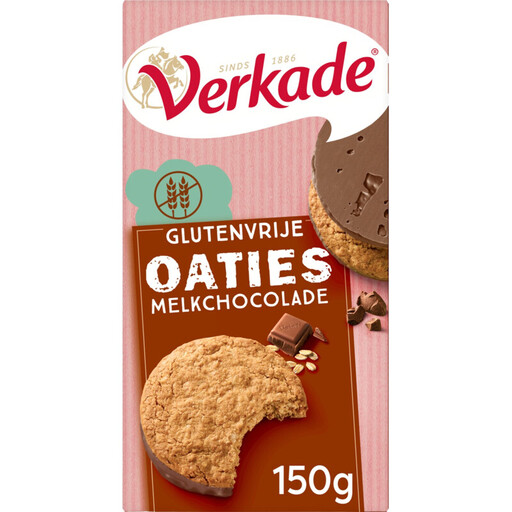
Verkade Gv Oaties Milk Chocolate, 150 g pack

Verkade Gv Oaties Milk Chocolate 150 g

A milk chocolate biscuit to enjoy with Easter coffee; the product information describes Oaties as gluten-free.

Joybuy notes that a small number of people with coeliac disease may be sensitive to oat protein. Check the current packaging for the gluten-free label and any allergens relevant to your guests.

View at Joybuy

Frequently asked questions

What does ‘gluten-free’ mean on a packet of biscuits?

The Dutch Coeliac Society explains that the gluten-free label means a product contains less than 20 mg of gluten per kg. Check the specific packaging when you buy it; according to the society, the Crossed Grain mark also provides reassurance about the production process.

Is a biscuit with no wheat in its ingredients suitable for someone with coeliac disease?

Not necessarily. The Dutch Coeliac Society recommends looking for a gluten-free label or the Crossed Grain mark, then checking the ingredients list as well.

How should I serve gluten-free biscuits alongside regular Easter treats?

Keep the gluten-free biscuits separate and use clean hands and clean serving utensils. The Netherlands Nutrition Centre says that even a stray crumb of gluten can matter to someone with coeliac disease.

Are regular Lotus Biscoff biscuits gluten-free?

No. Regular Lotus Biscoff Original Speculoos is not a gluten-free alternative: Lotus Bakeries lists wheat flour in the ingredients. If you’re serving someone with coeliac disease, choose a biscuit specifically labelled gluten-free.

Can I plan ahead and rely on a gluten-free seasonal product?

Don’t count on a specific seasonal variety without checking that it’s currently available. If you choose an alternative biscuit, check its gluten-free label and allergen information on the packaging too.
