If you have coeliac disease, choose a product for your train journey whose exact packaging clearly says ‘gluten-free’ or carries the Crossed Grain symbol, and check the ingredients, allergens and warnings too. A packaged gluten-free roll is a practical option if it doesn’t have to be shaped like a currant bun. If you specifically want currants and raisins, you can bake gluten-free currant buns in advance, taking care to avoid cross-contamination during preparation.
Who are these options relevant to?
Travellers with coeliac disease
You want to be able to check the packaging of the exact product before you set off. An ordinary currant bun isn’t a suitable substitute just because it looks like the snack you want: check the gluten-free claim, ingredients, allergens and any warnings.
Commuters looking for something ready to eat
A packaged gluten-free roll is easy to take with you, without having to bake or slice anything on the way. It’s a practical option, but it won’t necessarily have the flavour and shape of a currant bun.
Home bakers who want currants and raisins
If the fruit filling is what matters most, you can bake the buns before your journey and pack them separately. Allerhande’s recipe for gluten-free currant buns makes eight; if you bake at home, you’ll also need to take care to avoid cross-contamination.
What should you look for when choosing?
First decide whether a packaged bread alternative will do, or whether you’d rather bake your own currant buns. If you have coeliac disease, you need to check for gluten and possible cross-contamination whichever option you choose.
Packaged gluten-free bread alternative
Choose this if: you want to buy a product before you set off that you can take with you without baking at home.
The trade-off: a roll may not contain currants or raisins, so always check the packaging of the product you choose.
Bake your own gluten-free currant buns
Choose this if: you specifically want a bun with currants and raisins and have time to bake in advance.
The trade-off: you’ll need time to prepare them, and must avoid contact with gluten crumbs from worktops and utensils at home.
| What to consider |
What to check when buying |
Who might prioritise this? |
| Gluten-free claim |
Look for ‘gluten-free’ or the Crossed Grain symbol on the exact packaging, and check the ingredients and allergens. |
If I have coeliac disease, I don’t want to rely on the name or appearance of a currant bun. For around 36% of consumers, that reassurance comes first. |
| Cross-contamination |
Read the warnings on the packaging; if baking at home, use a clean worktop and clean utensils. |
If I bake or pack the food myself, I want to avoid it coming into contact with gluten crumbs. This is the most important concern for around 29% of consumers. |
| Convenience on the train |
Check whether you can take it with you without any further preparation, and follow the storage and use-by information. |
When I’m travelling, I want something I can eat without having to prepare a meal first. Around 21% of consumers prioritise this practical convenience. |
| Currant bun flavour and preparation |
Check whether the product actually contains currants or raisins; if baking at home, allow time to prepare it. |
If the fruit filling is what makes the difference for me, I’d rather plan to bake in advance than take an ordinary roll. That’s the main priority for around 14% of consumers. |
Common mistakes
-
Assuming an ordinary currant bun is gluten-free
The name and fruit filling tell you nothing about whether it contains gluten. Jumbo lists wheat flour and wheat gluten as ingredients in its ordinary Rozijnen Krentenbollen.
Check the ingredients and allergens on the exact product. If you have coeliac disease, rely on the gluten-free claim, not the type of bread.
-
Overlooking a cross-contamination warning
The Dutch Coeliac Society says cross-contamination can happen both during production and at home. So pay attention to any warning, even if wheat isn’t listed prominently as an ingredient.
Read all the packaging information, and keep home-baked buns away from shared crumbs, knives and worktops.
-
Relying on a product you found previously
Jumbo says its Yam Rozijnenbrood Glutenvrij is no longer part of its online range. So it isn’t a reliable choice for a planned journey.
Check what you can actually buy before you set off. If necessary, choose another product with a clear gluten-free claim.
-
Assuming every gluten-free baked product contains iodine
Whether a bread product contains iodised salt varies from product to product. A gluten-free claim won’t tell you either way.
If you want to know, check the ingredients on packaged bread or ask the baker, as the Netherlands Nutrition Centre advises.
Relevant brands and product options
These examples help you distinguish between a bread alternative, a product containing raisins and a recipe. A brand name on its own doesn’t tell you whether a particular product is suitable.
Schär
Schär offers gluten-free bread products that could work as an alternative to a currant bun if an ordinary bread shape is fine for you.
- Jumbo lists products including Schär Mini Baguette and Bon Matín as gluten-free bread options.
- The specific product Meesterbakker Classic is white bread, not a currant bun. Don’t assume its ingredients are the same as those of other Schär products.
Albert Heijn
Albert Heijn offers both gluten-free rolls and an Allerhande recipe for anyone who wants to bake currant buns at home.
- The bread category features AH Glutenvrij Witte bollen, while the recipe for gluten-free currant buns makes eight.
- A white roll won’t have the same fruit filling. Baking your own takes preparation and care to prevent cross-contamination.
Yam
Yam Rozijnenbrood Glutenvrij is an example of the type of product to consider if raisins matter more to you than the shape of a bun.
- With its fruit filling, raisin bread is a closer match for that preference than an ordinary gluten-free white roll.
- Jumbo says this particular product is no longer available in its online range. Always check both the availability of an alternative and its own packaging.
Joybuy products: bread alternative and baking mix
These products suit two different ways of preparing for a train journey: choosing a gluten-free bread alternative or baking at home with a gluten-free bread mix. Neither product name confirms that it’s a currant bun containing currants or raisins, so check the exact packaging before use, especially if you have coeliac disease.
 Image unavailable
Gv Baguette Mini 7 Pieces
A bread alternative for anyone who isn’t specifically looking for a currant bun with a fruit filling. Before buying, check which variant you’ll receive and whether it needs preparing. If you have coeliac disease, also check the ingredients, allergens and any warnings on the exact packaging.
View on Joybuy
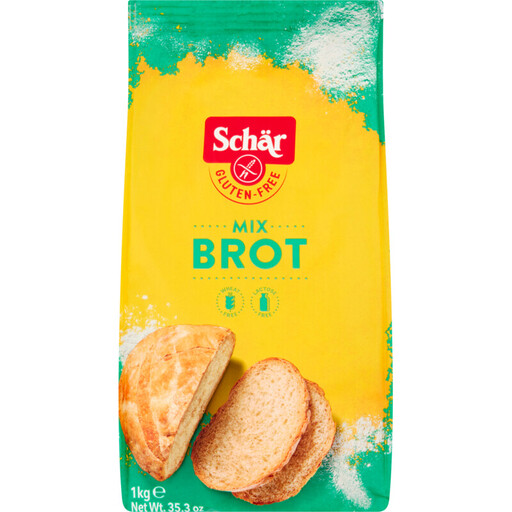 Image unavailable
Schär Bread Mix-Mix B Gluten Free, 1 kg
A gluten-free bread mix for anyone who wants to bake at home before travelling; it isn’t a ready-to-eat snack for the train. The product name specifies a 1 kg pack, but doesn’t indicate that it’s a currant bun recipe or contains fruit. If you have coeliac disease, check all the packaging information and prevent cross-contamination while baking.
View on Joybuy
Frequently asked questions
Is an ordinary currant bun suitable if you have coeliac disease?
Don’t assume it is: check the exact packaging for a gluten-free claim, ingredients and allergens. Jumbo lists wheat flour and wheat gluten in its ordinary Rozijnen Krentenbollen, so this product isn’t a gluten-free alternative.
What does ‘gluten-free’ on packaging mean?
According to the Dutch Coeliac Society, ‘gluten-free’ means that a product contains less than 20 mg of gluten per kg. You should still read all the packaging information, including allergens and any cross-contamination warnings.
What should I bear in mind if I bake currant buns for the train?
Use ingredients whose gluten-free claims and packaging you’ve checked, and prevent contact with gluten crumbs from worktops and utensils. Leave the buns to cool after baking, then pack them separately before taking them with you.
Does gluten-free bread automatically contain iodine?
No. Don’t rely on the gluten-free claim to tell you. The Netherlands Nutrition Centre advises checking the label on shop-bought or home-baked gluten-free bread, or asking the baker whether it contains iodine.


